
2011 Lifts - Fork For Sale in New York
Browse 2011 fork lifts for sale, including warehouse and yard forklifts with common specs, mast options, lift capacities, and fuel types.
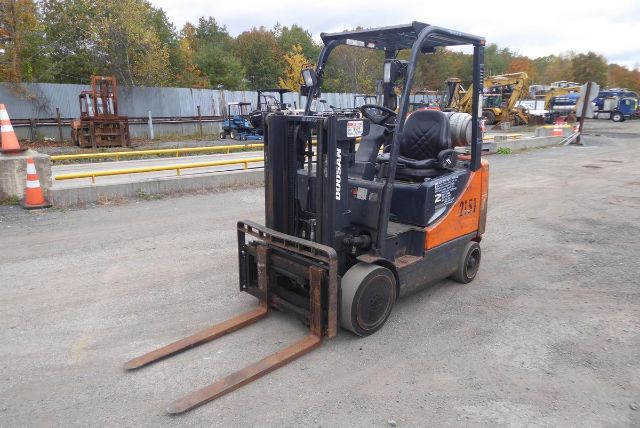
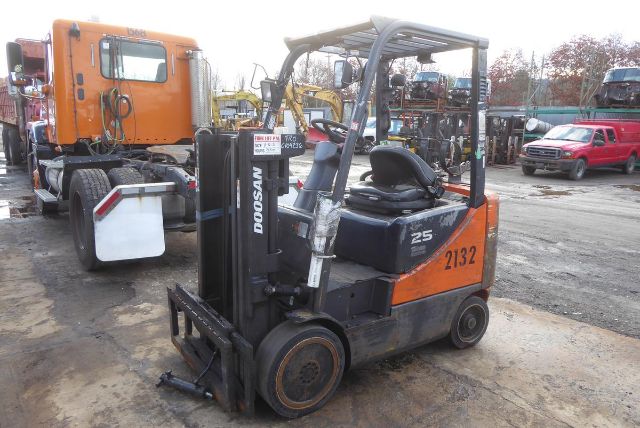
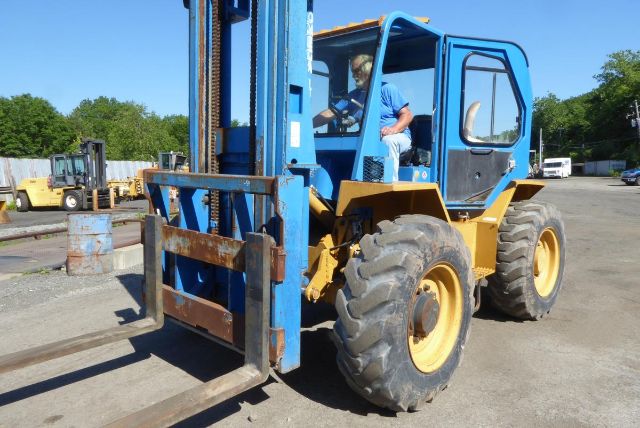
Have 2011 lifts - fork equipment to sell? List it here to reach thousands of buyers.
2011 Lifts - Fork in New York
Mast setup has a direct impact on where the truck can work. A dual mast keeps overall collapsed height lower and is often a fit for basic loading and unloading, while a triple mast gives much more lift height for racking and stacking in tighter buildings. Side shift is one of the most valuable options on a forklift because it speeds pallet placement and reduces repeated repositioning. Many buyers in New York also pay close attention to overall height, turning radius, and fork length because older warehouses, retail back rooms, and urban loading areas can be tight. Typical fork lengths in this class run roughly 38 to 48 inches, and many units in this category use solid tires for low puncture risk and predictable operation on hard surfaces.
Fuel type should match the application. Propane forklifts are popular because they refuel quickly and transition well between indoor and outdoor work when ventilation is adequate. Electric forklifts are often preferred for enclosed facilities, food handling, and operations that want lower noise and zero engine emissions at the point of use. On an older electric unit, battery age, amp-hour rating, charger compatibility, and shift runtime are as important as the truck itself. On an internal combustion model, buyers should inspect cold-start behavior, transmission response, mast chain wear, carriage play, tilt cylinder seals, and brake performance. Hour meters help, but visible wear in the controls, seat, steer system, and mast rollers usually tells the better story.
For a 2011 forklift, the best value is usually found in a machine with a clear capacity plate, stable lift performance under load, and a specification set that fits the building. Check lowered mast height for door clearance, maximum lift height for rack levels, and tire type for the floor and yard conditions. Parts support is still strong for many mainstream brands, but buyers should confirm local service access and availability of forks, side shift components, seals, hoses, and electrical parts before committing. A well-matched 2011 fork lift can still handle palletized freight, manufacturing support, lumber, building materials, and truck loading efficiently if the core systems are tight and the configuration matches the job.
Frequently Asked Questions about 2011 Lifts - Fork in New York
What should I look for first on a used 2011 forklift?
Start with capacity, mast type, and fuel system, then move immediately to condition. The most important checks are hydraulic leaks, mast chain wear, carriage looseness, steer axle play, brake function, and how the machine starts and drives from cold. On electric units, battery condition and charger compatibility can change the total cost of ownership quickly. A forklift with average hours but strong hydraulics and a tight mast is often a better buy than one with a cleaner appearance and neglected mechanicals.
Is a propane or electric 2011 fork lift better for my operation?
Propane is usually the better fit for mixed indoor-outdoor use, quick refueling, and longer operating windows without battery changeouts. Electric is often the better choice for indoor warehouse work, low-noise environments, and operations sensitive to exhaust emissions. For a 2011 electric forklift, the battery age, charging system, and runtime per shift are critical. For a propane unit, buyers should pay attention to engine response, cooling system condition, and any signs of fuel system neglect.
What is the difference between a dual mast and a triple mast on a forklift?
A dual mast, also called a two-stage mast, is simpler and often used when moderate lift height is enough. A triple mast, or three-stage mast, allows higher lift while keeping collapsed height manageable for doorways and indoor clearances. The tradeoff is that triple masts add complexity and should be checked carefully for chain wear, roller condition, and smooth extension under load. Buyers working with warehouse racking usually focus on triple mast units, while basic dock and ground-level handling may only require a dual mast.
How important are hours on a 2011 forklift?
Hours matter, but they are only one part of the evaluation. A high-hour forklift that has been serviced on schedule can be more dependable than a lower-hour machine with poor maintenance. Look at the condition of the mast rollers, hydraulic cylinders, pedals, seat, steering components, tires, and forks to judge how the truck was actually used. Service records, battery documentation, and evidence of regular lubrication often matter more than the number on the hour meter alone.
What capacity forklift is most common in this age group?
Many 2011 forklifts on the used market fall in the 3,000 to 5,000 pound class because that range covers general warehouse freight, palletized product, and dock work. The right capacity depends on load center, attachment weight, lift height, and the actual dimensions of the material being handled. Buyers should always verify the data plate and remember that attachments like side shift or longer forks can reduce effective lifting capacity. Matching the truck to the heaviest real load is more important than simply choosing the highest number.