
2011 Lifts - Fork For Sale
Shop 2011 fork lifts for material handling, warehousing, yard work, and loading applications with capacities from light-duty to heavy-duty.
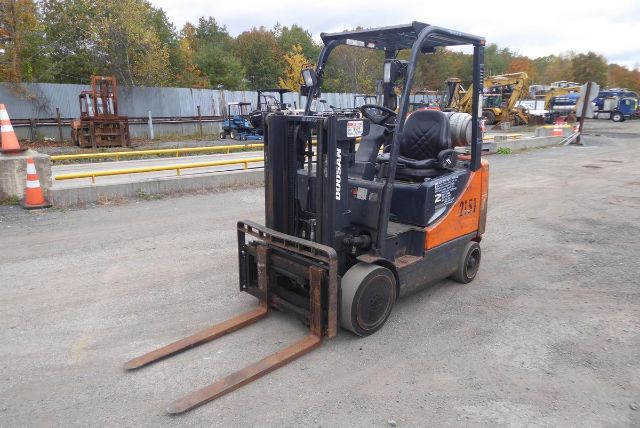
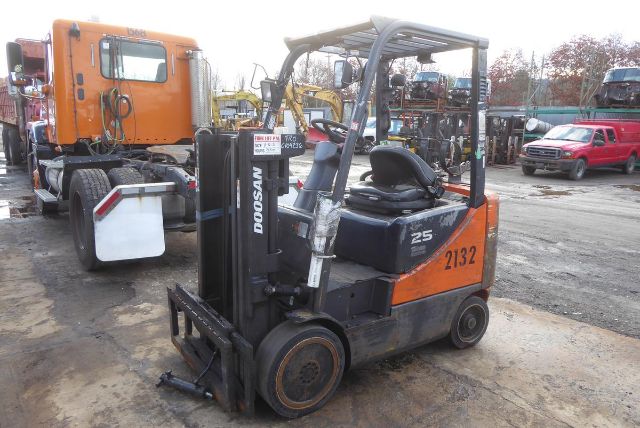
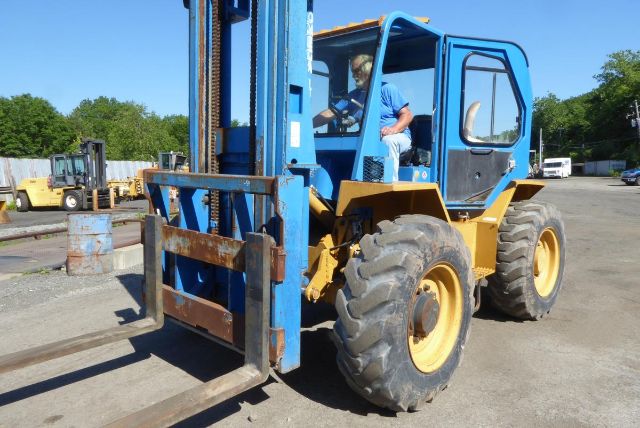
Have 2011 lifts - fork equipment to sell? List it here to reach thousands of buyers.
2011 Lifts - Fork
The first decision is usually application. Cushion-tire forklifts are common for smooth warehouse floors and tight turning radius work, while pneumatic-tire forklifts are better suited for rougher pavement, gravel, and mixed indoor-outdoor use. Lift capacity, mast style, and collapsed height matter more than many buyers expect. A triple mast can give strong lift height in a compact package, but lowered mast height still needs to clear dock doors and warehouse openings. Side shift is one of the most useful attachments in this class, and fork positioners become increasingly valuable as load sizes vary. Fork length, carriage class, back tilt, and maximum loading height should all be matched to the pallets, bundles, or long material you handle every day.
Powertrain choice changes ownership cost and operating flexibility. Propane units remain popular because they are quick to refuel and well suited to multi-shift use, but buyers should confirm the fuel system condition and note that tanks are often not included. Electric forklifts can be excellent for indoor work because of low noise and no on-site exhaust, but battery voltage, amp-hour rating, charger compatibility, and battery age deserve close attention. Diesel forklifts are more common in larger-capacity outdoor applications where torque and runtime matter most. On any 2011 model, hour meter readings, hydraulic cylinder condition, mast wear, steer axle play, transmission response, and tire type and wear pattern will tell you more about remaining service life than the model year alone.
For buyers comparing listings, the most important specs are rated capacity at load center, operating weight, mast type, overall lowered height, lift height, tire configuration, and any installed hydraulic functions. Enclosed cabs can be a major advantage in cold-weather yards, while open operator stations may be preferred for lighter-duty indoor use. A well-matched 2011 fork lift can still be a productive machine for dock work, manufacturing, building materials, pipe handling, and general warehouse service, provided the machine's capacity and mast geometry fit the job instead of just the price point.
Frequently Asked Questions about 2011 Lifts - Fork
What should I check first when buying a used 2011 fork lift?
Start with the rated capacity, mast type, and lowered mast height because those three items determine if the forklift will actually fit your loads and your building. After that, inspect hour meter reading, mast rollers and chains, hydraulic cylinder seepage, side shift operation, tire wear, steering looseness, brake function, and transmission response. On electric units, battery condition and charger compatibility are critical. On propane and diesel units, look closely at cold start behavior, exhaust condition, and any signs of fuel or oil leaks.
Is a propane, diesel, or electric fork lift better for a 2011 model?
The best choice depends on the work environment and run time. Propane forklifts are common in mixed indoor-outdoor service because they refuel quickly and handle repeated use well. Diesel forklifts are usually the better fit for larger-capacity outdoor applications and rougher operating conditions. Electric forklifts are often preferred for indoor warehouse work because they are quieter and produce no on-site exhaust, but battery health has a major effect on value in an older unit. The power source should match the jobsite, ventilation, and shift pattern.
What lift capacity is most common in this category?
In the used fork lift market, many standard warehouse units fall in the 3,000 to 5,000 lb range, which covers general pallet handling, dock work, and manufacturing support. Heavier pneumatic-tire forklifts can move far beyond that and are used in lumber, machinery, steel, and container-related applications. Capacity should always be evaluated at the correct load center and with the actual attachment installed, since side shifts, clamps, and fork positioners can reduce effective lifting ability.
Why does mast type matter so much on a fork lift?
Mast design affects lift height, visibility, and the forklift's ability to enter trailers or pass through doors. A duplex or double mast is simpler and often preferred when extreme lift height is not needed. A triplex or triple mast allows higher stacking while keeping the collapsed height manageable, which is important in warehouses with low clearances. Buyers should compare maximum lift height, free lift, and lowered mast height instead of looking at mast style alone.
Are 2011 fork lifts still a good value for commercial use?
Yes, many 2011 fork lifts still make sense for commercial fleets, warehouses, and yards if the machine has been maintained and the specs fit the job. Forklifts often stay productive for years because they are application-driven machines with predictable wear points. A thorough inspection matters more than age alone. If the mast, hydraulics, steer axle, tires, power source, and transmission are sound, a 2011 unit can deliver solid service at a lower acquisition cost than newer equipment.