
2005 Lifts - Fork For Sale in New York
Shop 2005 fork lifts for material handling, warehouse work, and yard use. Compare lift capacity, mast height, fuel type, tires, and attachments.
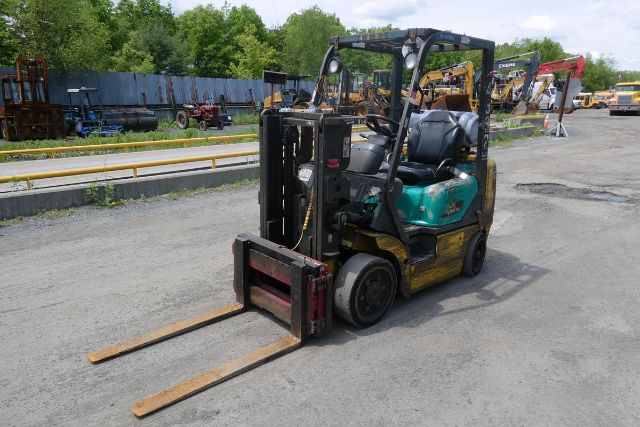
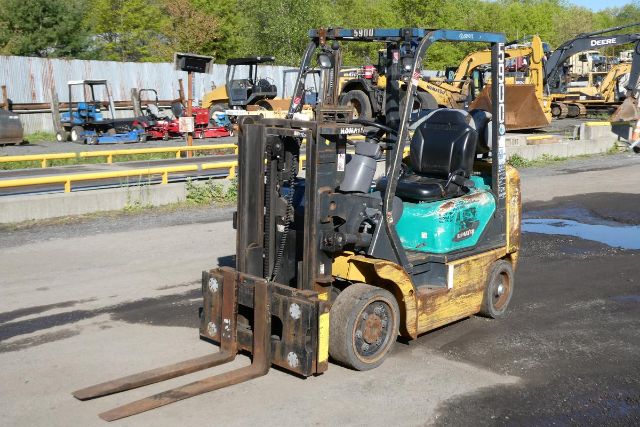
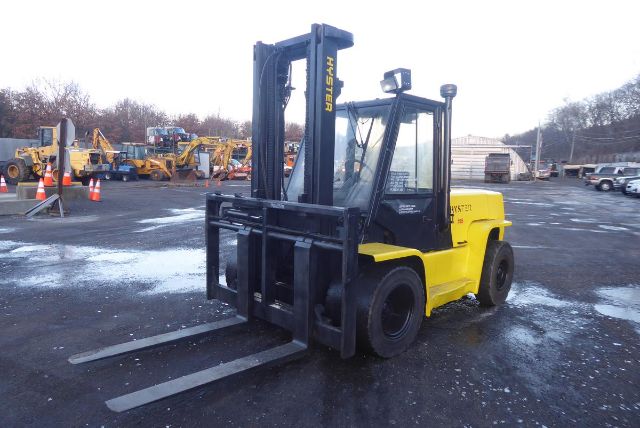
Have 2005 lifts - fork equipment to sell? List it here to reach thousands of buyers.
2005 Lifts - Fork in New York
Capacity and lift height need to be matched to the work, not just the nameplate. A 5,000 lb forklift may not hold that full rating at maximum elevation or with a long load center, and that matters if the truck will handle pallets, crated equipment, pipe, or wide industrial loads. Common mast setups on this age of fork lift include 2-stage and 3-stage designs, with features such as side shift, fork positioners, and tilt. Lower overall collapsed height can be important for trailers, warehouse doors, and older buildings, while pneumatic-tire machines are better suited for rougher outdoor surfaces than cushion-tire warehouse units.
Fuel choice is another major decision on a 2005 forklift. Propane models are common because they are simple to refuel and work well in mixed indoor-outdoor duty. Diesel fork lifts are more common in larger capacity classes and outdoor applications where torque and durability matter. Some older electric units are still in service, but battery age and charger compatibility become major purchase factors. On any used fork truck from this year range, buyers should pay close attention to hour meter credibility, cold-start behavior, lift chain condition, mast rollers, brake performance, leaks at hoses and valve bodies, and tire type. Solid tires reduce flats but can ride rough, while pneumatic tires improve outdoor traction.
For buyers in New York, application and environment can shape the right spec as much as the machine itself. Tight warehouse aisles, dock work, food distribution, building supply yards, scrap operations, and equipment handling all place different demands on turning radius, visibility, fork length, and attachment setup. It is also worth confirming parts support for the make and model, especially on older 2005 units where a strong dealer or aftermarket network can make a big difference in uptime. A well-maintained 2005 fork lift can still be productive, but the best purchase is usually the one with documented maintenance, tight hydraulics, stable lifting performance, and a specification that fits the job without pushing the truck to its limits every day.
Frequently Asked Questions about 2005 Lifts - Fork in New York
What should I check first on a 2005 fork lift before buying?
Start with the data plate, mast, hydraulics, and drivetrain. Confirm the rated capacity, load center, and maximum lift height, then inspect mast channels, rollers, chains, carriage wear, and fork condition. Watch the machine lift, tilt, steer, and brake under normal operation. Check for hydraulic leaks, delayed transmission engagement, uneven tire wear, and signs that the hour meter may not reflect total use. On an older forklift, condition matters more than model year alone.
Is a propane, diesel, or electric 2005 forklift the better choice?
The best fuel type depends on the work environment and duty cycle. Propane forklifts are common in general warehouse and yard use because refueling is quick and indoor-outdoor operation is practical in many facilities. Diesel units are usually preferred for heavier outdoor work and larger-capacity applications. Electric forklifts can be effective for indoor use, but on a 2005 model the battery pack, charger, and electrical system need close inspection because replacement cost can be significant.
How important is mast type on a used fork truck?
Mast type is critical because it affects lift height, lowered height, visibility, and the machine’s usefulness in your building or yard. A 2-stage mast may be adequate for basic loading and unloading, while a 3-stage mast is often preferred when higher stacking is required without increasing collapsed height too much. Buyers should also look at free lift, side shift, fork positioners, and tilt range, since those features can improve efficiency and reduce product damage.
Can a 2005 forklift still be reliable for daily use?
Yes, if it has been maintained properly and the specification matches the workload. Many forklifts from this era are mechanically straightforward and can remain dependable in warehouse, dock, and yard service. Reliability depends on maintenance records, parts availability, engine or battery condition, and the wear level in the mast and hydraulic system. A machine that has spent years overloaded or neglected will usually cost more in downtime than a cleaner unit with higher but documented hours.
What capacity range is most common in this category?
Many used fork lifts in this market fall into the 4,000 to 5,000 lb class, which is a common range for pallet handling, warehouse freight, and general industrial work. There are also larger heavy-duty fork lifts built for specialized applications such as steel, lumber, machinery, or outdoor material handling. Buyers should remember that rated capacity changes with lift height, attachment use, and load center, so the real working capacity may be lower than the headline number on the machine.