
2005 Lifts - Fork For Sale
Browse 2005 fork lifts for sale, including warehouse and yard forklifts with common specs, lift capacities, mast setups, and fuel options.
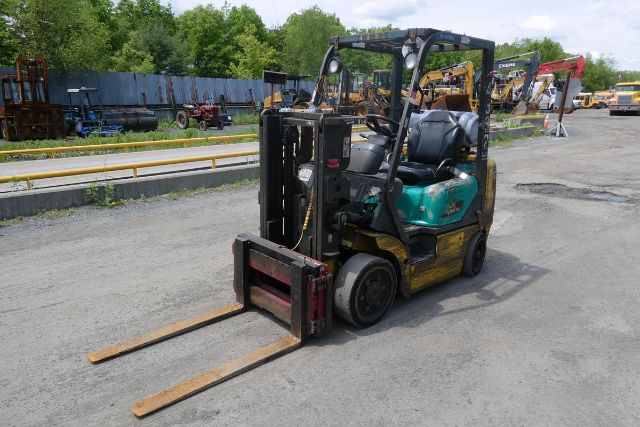
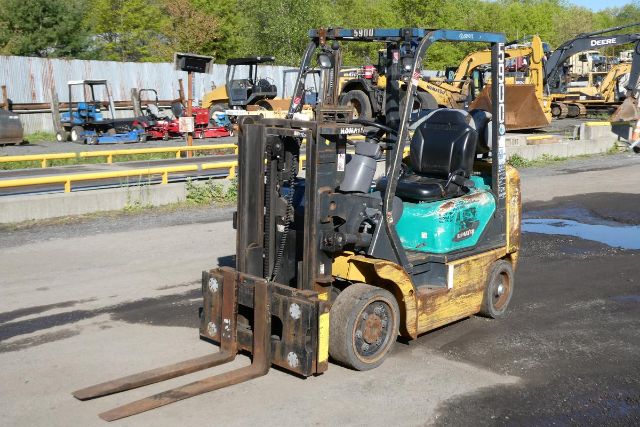
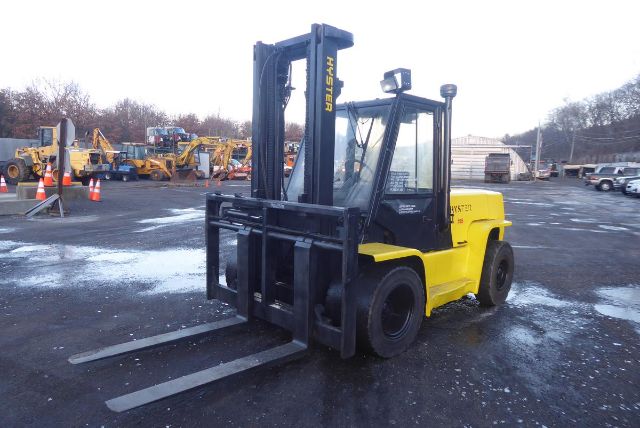
Have 2005 lifts - fork equipment to sell? List it here to reach thousands of buyers.
2005 Lifts - Fork
Fuel type, tires, and mast setup are usually the next key decisions. A lot of 2005-era fork lifts were built with propane engines, especially on indoor-outdoor units used around warehouses, manufacturing plants, and freight terminals. Propane forklifts are common because refueling is fast and runtime is predictable, but buyers should confirm tank compatibility, cold-start behavior, and engine condition. Cushion tires are best suited for smooth concrete and tighter turning inside buildings, while pneumatic or air-filled tires are better for uneven yards, pipe lots, and construction-related applications. Mast choice also affects productivity. Two-stage and three-stage masts, side shift, fork positioners, and back tilt all change how efficiently the truck handles pallets, bundles, or long material in confined spaces.
Older fork lifts deserve a closer look at wear points than newer units. Mast rails, chains, rollers, steer axle components, hydraulic cylinders, transmission response, parking brake function, and tire condition all tell you more than the hour meter alone. On a 2005 model, service history matters because some units may have seen light indoor use while others have spent years in demanding yard service. Check lift and lower speed under load, look for cylinder seepage, inspect forks for heel wear and straightness, and verify data plate capacity at the actual load center you plan to handle. If the truck includes side shift or fork positioners, make sure auxiliary hydraulics operate smoothly and do not drift.
Buyers comparing 2005 fork lifts should also think about operating environment and parts support. A machine used in a food warehouse, freight dock, sawmill, or steel yard will have different attachment needs and maintenance exposure. Width, lowered mast height, overhead guard height, fork length, and turning radius can be just as important as rated capacity if the truck must work inside trailers, under rack systems, or through older building openings. Common brands from this category often still have strong aftermarket parts availability, which is a major advantage when buying an older forklift. The best value usually comes from matching the truck's tire type, fuel system, mast height, and attachment package to the actual material, floor surface, and duty cycle it will see every day.
Frequently Asked Questions about 2005 Lifts - Fork
What should I check first when buying a 2005 fork lift?
Start with rated capacity, mast type, fuel system, and tire type, then move immediately to condition. On a 2005 forklift, mast chains, rollers, hydraulic cylinders, steer axle wear, transmission engagement, brakes, and fork condition are more important than cosmetics. Hour readings can help, but service records and actual operating performance usually give a better picture of remaining life.
Are propane forklifts from this era still a good choice?
Yes, many 2005 propane forklifts remain useful in warehouse and yard service because propane refueling is quick and the engines are familiar to many technicians. The key is verifying engine health, fuel system condition, and parts support. Buyers should check for smooth cold starts, stable idle, clean throttle response, and signs of neglected ignition or regulator maintenance.
What is the difference between cushion-tire and pneumatic-tire fork lifts?
Cushion-tire forklifts are typically lower, more compact, and better suited for smooth indoor floors and tight warehouse aisles. Pneumatic-tire forklifts sit higher and handle rougher outdoor surfaces better, making them common in lumber yards, construction supply, and heavier outdoor loading applications. The right tire type depends on floor conditions, turning space, and the kind of loads being moved.
How important is mast height on a used fork lift?
Mast height is critical because it affects both stacking capability and clearance. Buyers need to confirm lowered mast height for doorways and trailer entry, along with maximum lift height for racking or loading needs. A forklift that has enough capacity but the wrong mast configuration can still be a poor fit if it cannot clear overhead obstacles or safely place loads at the required height.
Can a 2005 fork lift still be a dependable daily machine?
It can, if it has been maintained properly and matched to the right application. Many older forklifts continue to perform well in moderate-duty service because their designs are straightforward and parts are often still available. Dependability comes down to maintenance history, wear on the mast and hydraulic system, engine and transmission condition, and whether the truck is being asked to do work within its actual rated limits.