
Used John Deere Equipment For Sale in New York
Browse used John Deere trucking equipment for sale in New York, including dependable diesel-powered machines known for durability and service support.
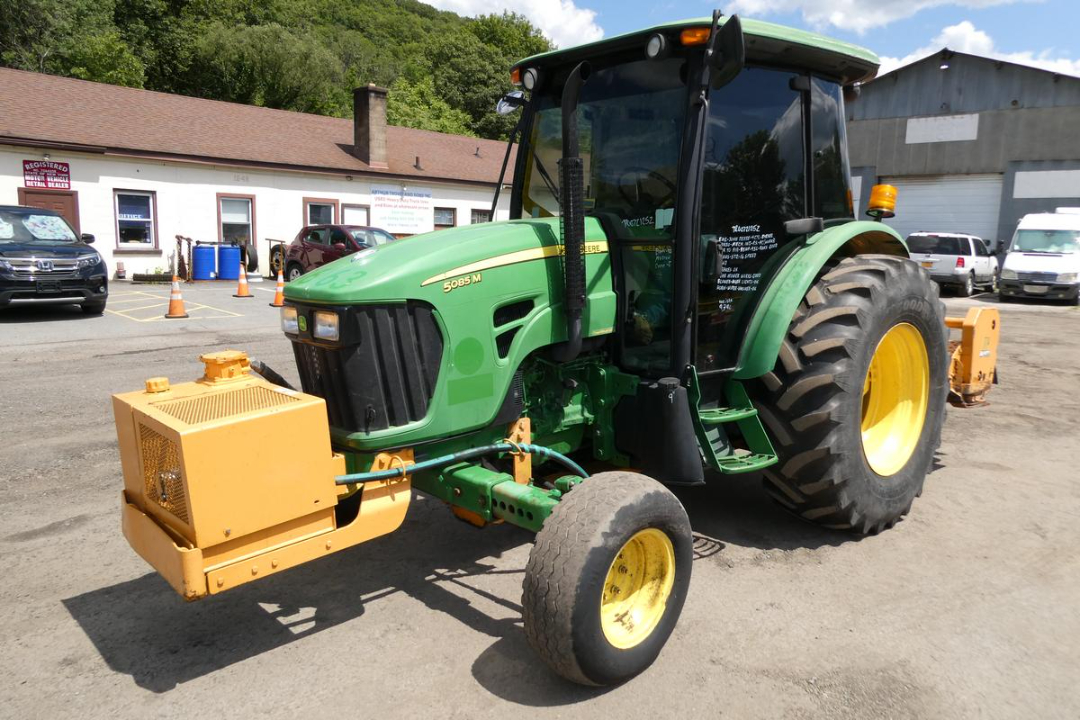
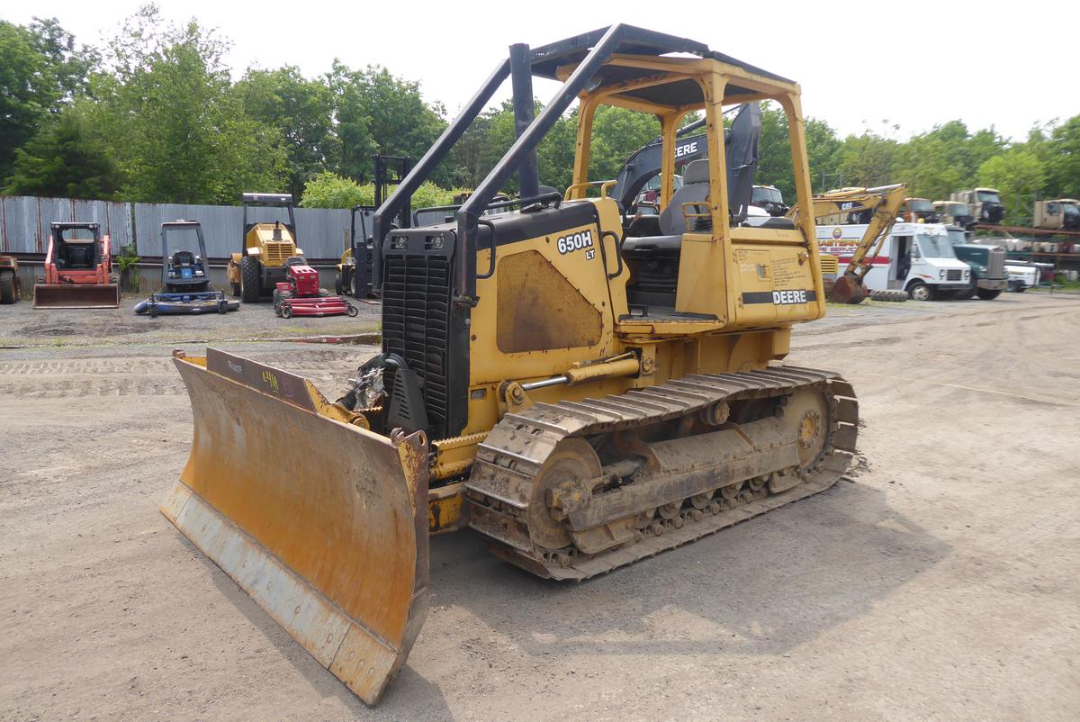
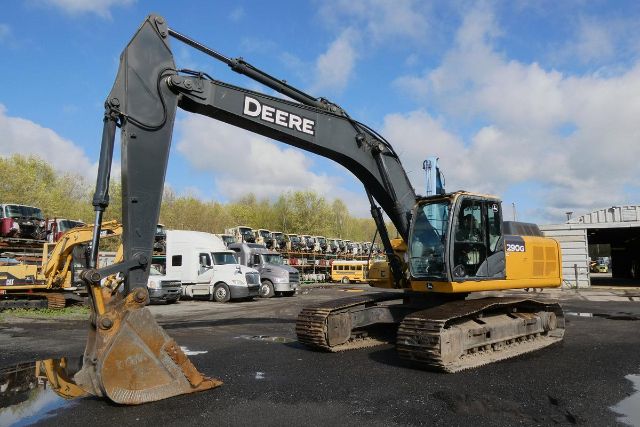
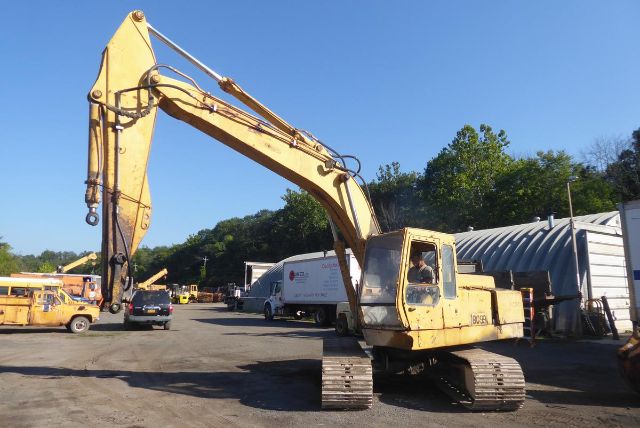
Selling a used john deere equipment? List your used john deere equipment for sale and reach thousands of commercial buyers.
Used John Deere Equipment in New York
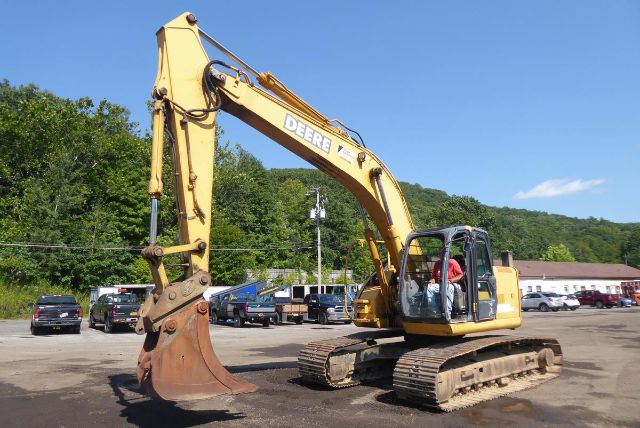
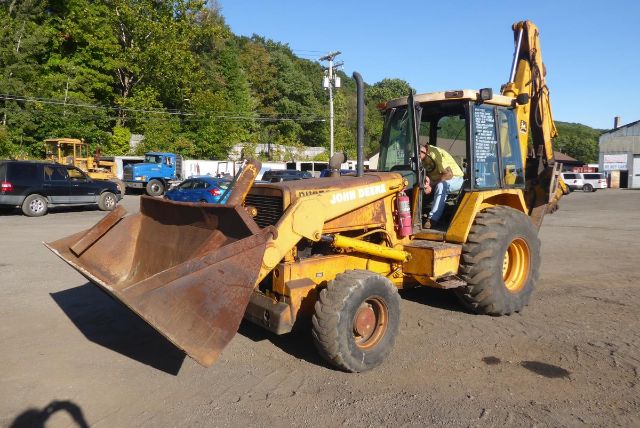
The biggest decision is matching the machine to the job cycle. John Deere equipment commonly found around trucking and vocational operations includes excavators, crawler dozers, backhoes, and tractors used for property maintenance or support work. Excavators are valued for loading, ditching, culvert work, and site prep. Dozers are useful for grading yards, building pads, and maintaining access roads. Backhoes remain a practical choice when a fleet needs one machine that can dig, load, and travel around a property without a trailer for every move. Utility tractors and mower setups are often used by municipalities, contractors, and larger terminals for roadside and perimeter maintenance.
On used John Deere units, buyers should look closely at engine response under load, cold-start behavior, hydraulic cycle times, final drives, transmission engagement, and signs of leakage or blow-by. On tracked machines, undercarriage percentage matters because rails, rollers, sprockets, and pads can change the real cost of ownership quickly. On wheeled machines, tire condition, axle wear, brake function, and steering play deserve the same level of attention. Cab condition also matters more than many buyers expect, especially on older equipment, because missing glass, weak air conditioning, faulty gauges, or inoperative controls can affect both uptime and operator acceptance.
In New York, regional conditions add another layer to the buying decision. Freeze-thaw cycles, road salt, mud, and winter storage practices can affect frames, electrical systems, hydraulic lines, and attachment points. Buyers comparing used John Deere trucking equipment should pay attention to corrosion, service history, and how the machine was used, not just the badge or hour meter. A well-maintained older Deere can still be a productive asset if the structure is sound and wear points are understood up front. The best value usually comes from a machine with clear maintenance records, honest cosmetic condition, and specs that fit the work instead of excess size or horsepower.
Frequently Asked Questions about Used John Deere Equipment in New York
What types of John Deere equipment are most common in trucking-related operations?
The most common John Deere equipment tied to trucking and vocational fleet work includes excavators, dozers, backhoes, and utility tractors. These machines support excavation, grading, loading, lot maintenance, roadside mowing, drainage work, and yard development. For many buyers, the right choice depends on whether the machine will stay at a fixed site, move between terminals, or serve as a support unit for construction, municipal, or aggregate hauling operations.
What should I inspect first on a used John Deere machine?
Start with the engine, hydraulics, and drivetrain because those systems determine immediate usability and repair exposure. Check for hard starting, smoke, blow-by, weak hydraulic response, cylinder seepage, unusual noises, and excessive play in pins and bushings. On tracked equipment, inspect the undercarriage carefully because rails, pads, rollers, and sprockets are high-cost wear items. On wheeled machines, look at tires, steering components, axle condition, and brake function before focusing on cosmetic issues.
Are older used John Deere machines still worth buying?
Older John Deere equipment can still be a solid purchase if the machine has been maintained and the major wear areas are understood before buying. Many older Deere models are valued for mechanical simplicity and strong parts familiarity across the industry. The key is to judge condition, not just age. A machine with documented service, sound structure, and manageable wear can outperform a newer unit that has been neglected or run with unresolved hydraulic and undercarriage issues.
Why does undercarriage condition matter so much on used John Deere tracked equipment?
Undercarriage condition has a major impact on total ownership cost because it affects traction, stability, production, and future repair expense. On a used excavator or dozer, worn pads, rollers, sprockets, idlers, and rails can represent a significant investment shortly after purchase. Buyers should treat undercarriage percentage and visible wear patterns as a core valuation factor, not a minor detail, because a low-priced machine with a tired undercarriage may cost more to own than a higher-priced machine in better running condition.
What matters most when buying used John Deere equipment in New York?
In New York, buyers should pay close attention to rust, corrosion, electrical condition, and hydraulic line integrity because winter weather, moisture, and road salt can accelerate deterioration. Cold-start performance is also important, especially on diesel-powered equipment expected to work year-round. Machines that have been stored properly, serviced consistently, and protected from heavy corrosion usually hold value better and present fewer surprises after delivery.