
Used Gradall Equipment For Sale in New York
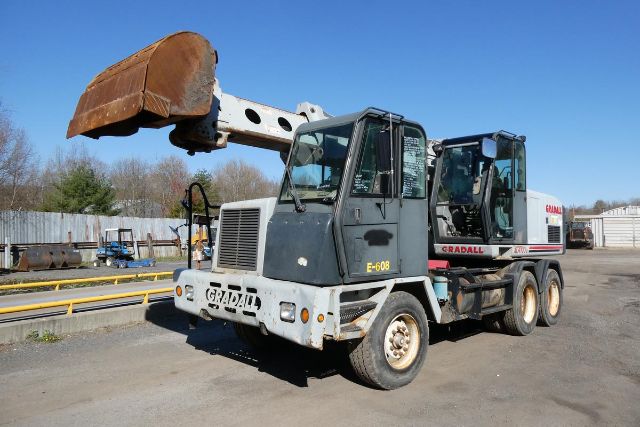
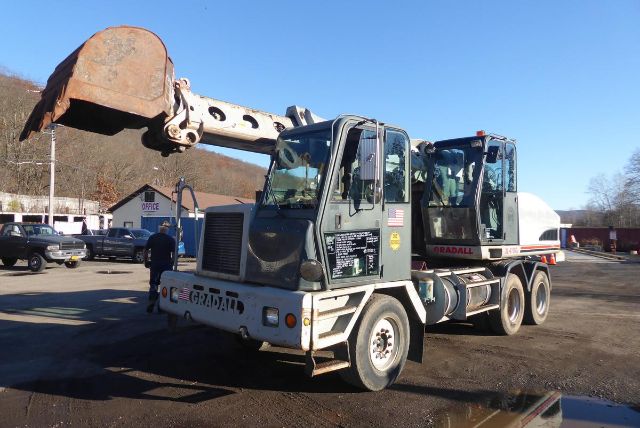
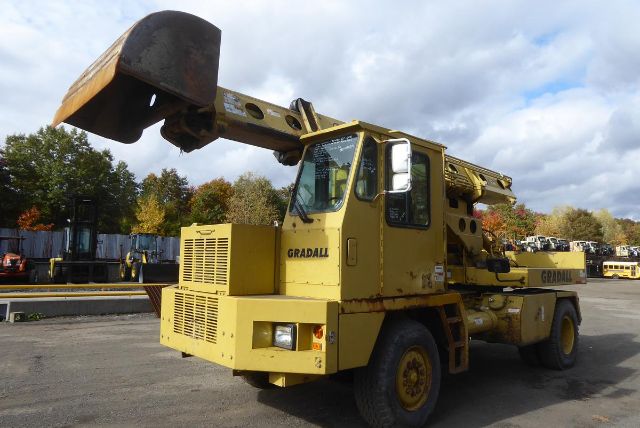
Browse used Gradall trucking equipment for sale, including highway-speed excavators built for ditching, utility work, road maintenance, and municipal fleets.
Selling a used gradall equipment? List your used gradall equipment for sale and reach thousands of commercial buyers.
Used Gradall Equipment in New York
The first buying decision is usually carrier configuration and drivetrain. Many used Gradall units are set up with heavy beam suspensions, tandem rears in the 46,000 to 50,000 lb range, manual 9-speed or automatic transmissions, and front flotation-style tires paired with tandem drive rears. Engine choices vary by year, with Cummins and Mercedes diesel power both showing up in the market. Buyers should pay close attention to engine hours versus chassis miles because these machines often spend long periods stationary while running hydraulics. It is also important to confirm whether the excavator functions are powered from the truck engine or a separate rear engine, since that affects service access, operating cost, and troubleshooting.
Hydraulic condition matters as much as overall mileage. On a used Gradall, common inspection points include boom cylinders, stabilizer cylinders, rotary swivel areas, drive motors, hoses, pins and bushings, and any seepage at high-use pivot points. Bucket setup also deserves a close look. Listings may include smooth-edge buckets, tooth buckets, ditching buckets, or multiple quick-change buckets sized for different types of excavation and cleanup. Frame condition is another high-value checkpoint, especially on older units used in severe municipal or infrastructure environments. An I-beam frame, outrigger structure, turntable area, and upper structure should all be checked for weld repairs, corrosion, and signs of repetitive stress.
A used Gradall can be a strong fit for fleets that need one machine to travel, dig, clean, and grade with less downtime between locations. The best unit for the job depends on reach, hydraulic performance, roadability, axle rating, and how the machine was maintained in prior service. Buyers in New York and other Northeast markets often place extra value on cold-weather starting, corrosion exposure, undercarriage and frame condition, cab HVAC function, and the machine's ability to work in tight roadside corridors. When comparing used Gradall trucking equipment for sale, focus less on model year alone and more on service history, hydraulic responsiveness, attachment fit, and the overall condition of both the carrier and the excavator assembly.
Frequently Asked Questions about Used Gradall Equipment in New York
What is Gradall trucking equipment typically used for?
Gradall trucking equipment is typically used for roadside excavation, ditch maintenance, culvert cleaning, slope shaping, utility work, rail support, and municipal maintenance. The key advantage is that the machine can travel at road speeds and then perform excavator work without requiring a lowboy for every move. That makes it especially useful for crews working multiple locations in a single day.
What should I inspect first on a used Gradall?
Start with the hydraulic system, boom structure, and carrier drivetrain. Check for cylinder seepage, weak hydraulic drive performance, excessive play in pins and bushings, hose wear, and signs of leaks around the boom and stabilizers. Then review engine operation, transmission shifting, axle condition, frame integrity, and the service history for both the truck chassis and the excavator components.
How important are hours compared with mileage on a used Gradall?
Hours are often more important than mileage because a Gradall may spend significant time stationary while powering the boom and hydraulic functions. A machine with moderate miles can still have substantial wear if it has high engine or hydraulic operating hours. The best approach is to compare both readings together and evaluate them against maintenance records, hydraulic performance, and visible wear points.
Are older Gradall models still practical for fleet use?
Older Gradall models can still be practical if the structure, hydraulics, and drivetrain have been maintained properly. Many fleets continue to use older XL and G-series machines because the application does not always require the newest emissions system or electronics package. The deciding factors are parts support, condition of the boom and frame, reliability of the hydraulic system, and whether the machine matches the reach and bucket requirements of the work.
What features matter most when comparing used Gradall listings?
The most important features are boom and hydraulic condition, engine and transmission type, axle capacity, suspension design, bucket setup, stabilizer condition, and whether the machine uses a truck engine or separate power unit for the excavator functions. Buyers should also consider overall transport dimensions, operating weight, tire condition, cab condition, and the suitability of the machine for local road and jobsite requirements.