
Used Dozers & Crawler Tractors For Sale
Browse used dozers and crawler tractors for grading, clearing, and site prep. Compare blade types, undercarriage wear, horsepower, and operating weight.

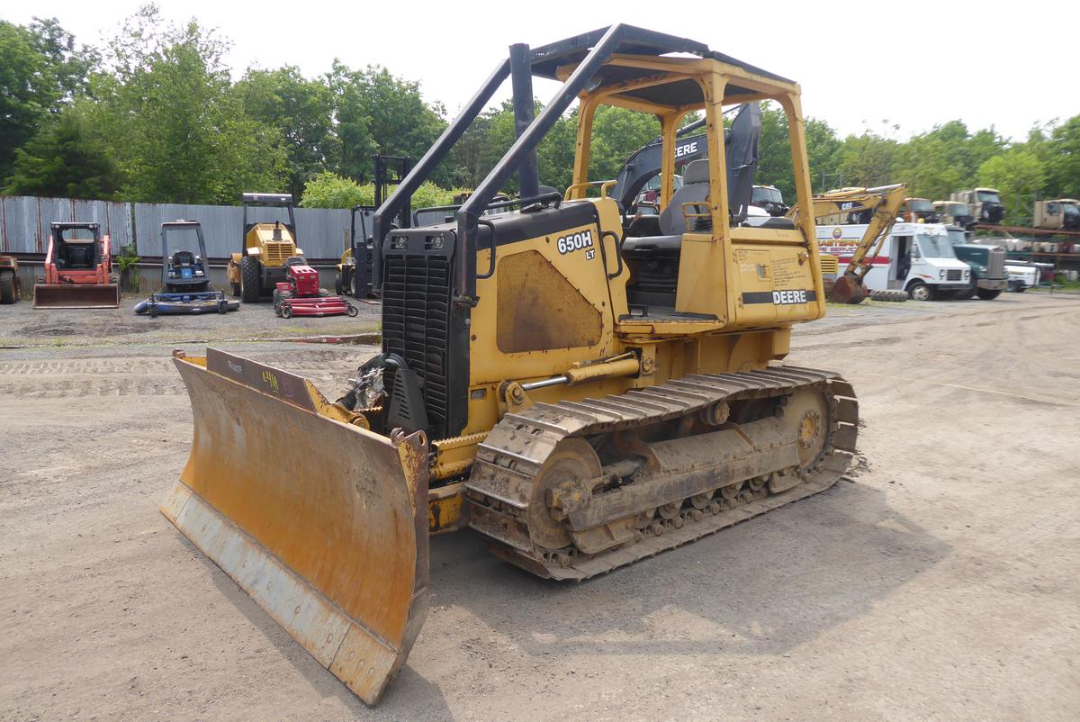
Selling a used dozers & crawler tractors? List your used dozers & crawler tractors for sale and reach thousands of commercial buyers.
Used Dozers & Crawler Tractors
Frequently Asked Questions about Used Dozers & Crawler Tractors
What matters most when buying a used dozer or crawler tractor?
Undercarriage condition is usually the first thing to verify because it is one of the most expensive wear areas on a crawler machine. Buyers should look at remaining life in rails, pins, bushings, rollers, idlers, sprockets, and track pads, then compare that wear against the machine’s hours, overall service history, and asking price. After that, focus on engine performance, steering response, transmission or hydrostatic function, blade hydraulics, final drives, and any signs of structural repairs around the C-frame, push arms, and blade mounts.
What blade types are common on used dozers?
The most common blade setups are straight blades, semi-U blades, full U blades, and 6-way PAT blades. A straight blade is simple and effective for pushing and stripping. A semi-U blade carries more material and is common in production work. A full U blade is designed for high-volume pushing of lighter material over distance. A 6-way PAT blade, often seen on smaller crawler tractors, adds power angle and tilt for finish grading, shaping, ditching, and more precise site preparation.
How do I choose the right size dozer for my work?
The right size depends on material type, haul distance, finish tolerance, ground conditions, and transport limits. Smaller dozers are easier to move, work well on residential and utility jobs, and often cost less to own and operate. Mid-size machines fit general construction, farm, and land clearing applications. Larger crawlers make sense when production is the priority, such as heavy earthmoving, mining support, or large-scale site development. Buyers should compare horsepower, operating weight, blade capacity, ground pressure, and the width needed for trailering or road permits.
Are hydrostatic dozers better than powershift machines?
Hydrostatic dozers are valued for smooth modulation, easy directional changes, and fine grading control, especially on smaller and medium machines. They are well suited for jobs that require frequent maneuvering and accurate blade work. Powershift drivetrains are often preferred where buyers want a simpler feel and strong pushing performance in heavier production environments. The better choice depends less on theory and more on the application, operator preference, local service support, and maintenance history of the specific machine.
What should I inspect on a used crawler tractor before purchase?
A proper inspection should include cold start behavior, exhaust smoke, blow-by, fluid condition, hydraulic leaks, blade cylinder seepage, steering performance, brake response if equipped, final drive noise, and track adjustment. Check for looseness in blade pins and bushings, cracks or weld repairs on the frame and ROPS, and uneven undercarriage wear from poor alignment or harsh operation. It is also smart to verify serial number information, hour meter consistency, and maintenance records, especially if the machine has had recent undercarriage work or engine repairs.