
2015 Equipment For Sale in New York
Browse 2015 trucking equipment for sale in New York, including work trucks, trailers, yard support equipment, and vocational fleet assets.

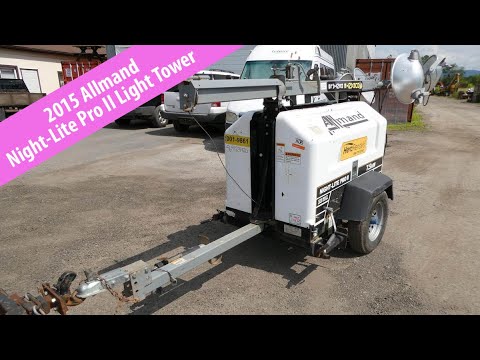
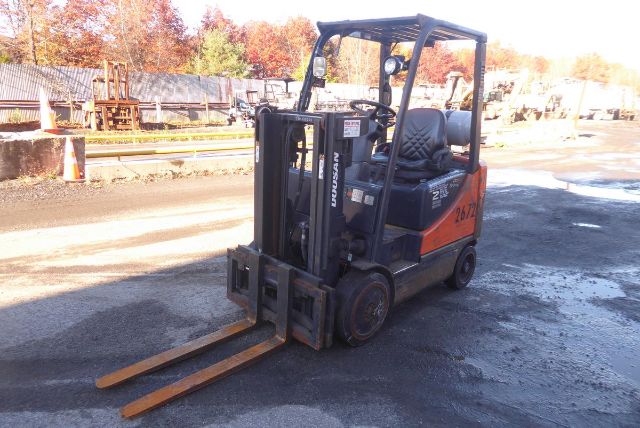
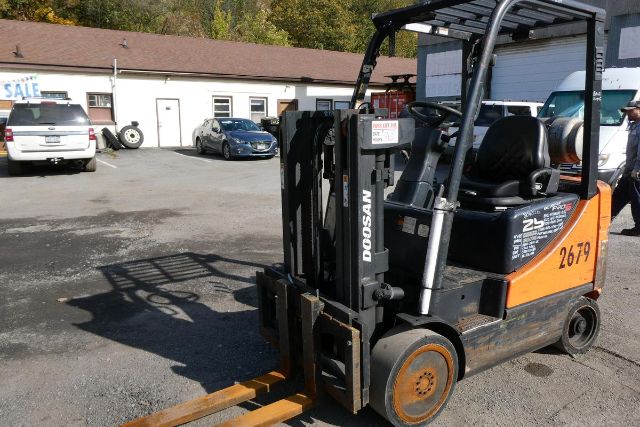
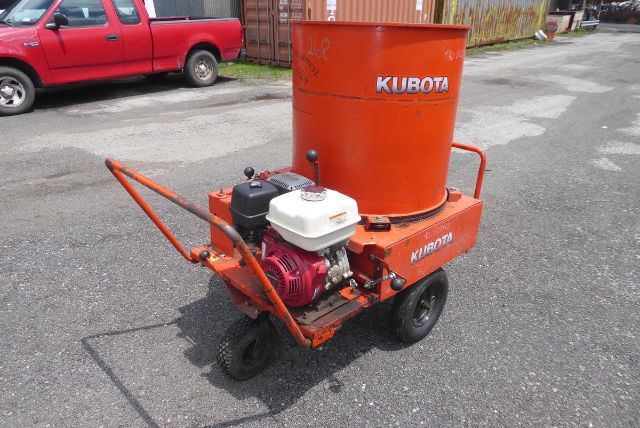
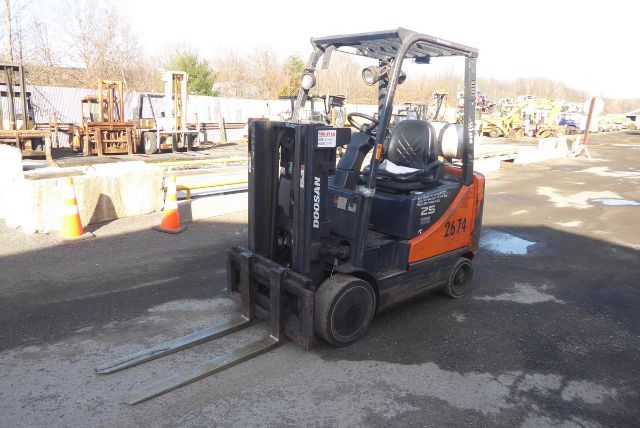
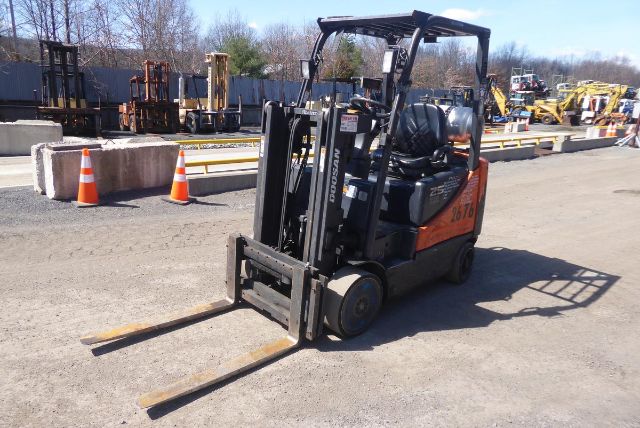
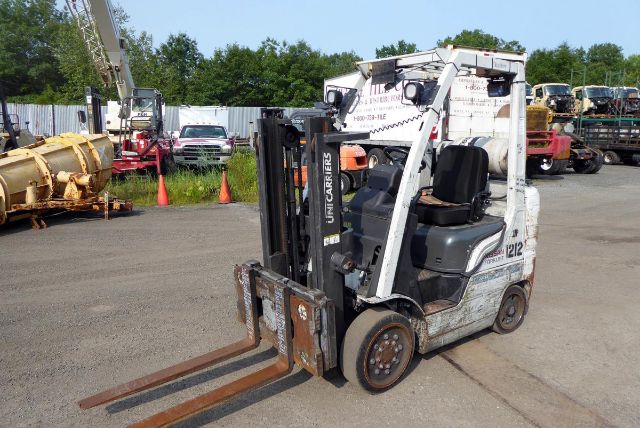
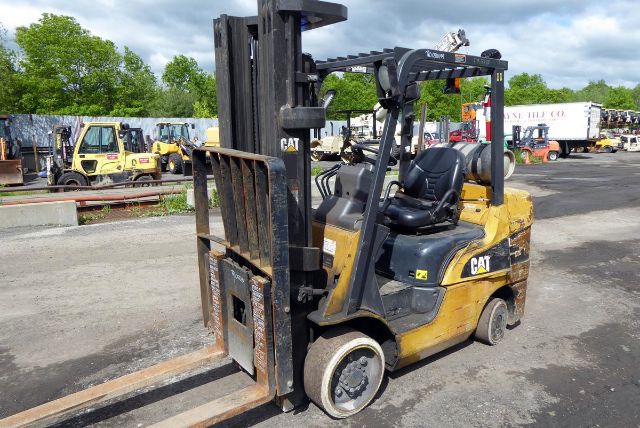

Selling a 2015 equipment? List your 2015 equipment for sale and reach thousands of commercial buyers.
2015 Equipment in New York
This category can include a wide spread of commercial fleet assets, from truck tractors and day cabs to dry vans, reefers, dump bodies, flatbeds, liftgates, forklifts, and other support equipment used around freight operations. That makes spec matching more important than model year alone. For road equipment, key decisions usually come down to engine rating, transmission type, axle ratio, wheelbase, GVWR or GCWR, suspension, PTO setup, and body configuration. For material handling or yard support equipment, buyers typically focus on lift capacity, mast height, hydraulic function, tire type, fuel system, and total operating hours. A 2015 unit should be evaluated by job fit first, then by maintenance history and remaining service life.
For New York buyers, corrosion control and cold-start reliability deserve extra scrutiny. Road salt can shorten the life of brake lines, wiring, battery boxes, trailer connections, and underbody steel even when a truck or piece of equipment presents well cosmetically. On diesel-powered units, review the condition of the aftertreatment system, including DPF and DEF components where applicable, and look for records showing regen issues, sensor replacements, or emissions-related derates. On trailers and vocational equipment, inspect floors, hinges, door frames, hydraulic lines, air systems, liftgate operation, and lighting circuits. On forklifts and similar support machines, confirm mast operation under load, carriage wear, chain condition, steer axle response, and any leaks at cylinders or control valves.
The strongest 2015 trucking equipment listings usually combine clear specs with evidence of disciplined upkeep. Hour meter readings, odometer readings, tire condition, brake life, service intervals, and documented repairs all help separate a sound fleet asset from a unit that will need immediate shop time. Buyers comparing multiple 2015 machines should think in terms of total operating cost, not just purchase price. A properly spec'd and well-maintained 2015 truck, trailer, forklift, or vocational unit can still deliver solid productivity if the structure, powertrain, hydraulics, and electrical systems match the intended work.
Frequently Asked Questions about 2015 Equipment in New York
What should I check first when buying 2015 trucking equipment in New York?
Start with structural condition and application fit. In New York, rust and corrosion can be more important than paint or interior appearance, so inspect the frame, crossmembers, brake and fuel lines, suspension mounts, battery boxes, wiring, and underbody components closely. After that, confirm the equipment is correctly spec'd for the intended work by reviewing capacity, axle ratings, wheelbase, body or attachment configuration, and any hydraulic or PTO requirements.
Is 2015 trucking equipment old enough to have emissions-related issues?
Yes. Many 2015 diesel trucks and vocational units use modern emissions systems that can become expensive if they were not maintained correctly. Buyers should check for DPF, DEF, SCR, EGR, and sensor repair history, along with any warning lights, parked regen frequency, fault codes, or signs of derate events. A unit with documented emissions maintenance is usually a safer buy than one with missing records.
How do I compare a 2015 truck or trailer against newer equipment?
The best comparison is total cost of ownership. A 2015 unit may carry a lower purchase price while still offering usable drivetrain technology, acceptable safety features, and strong parts availability. The tradeoff is that wear items, aftertreatment components, tires, brakes, suspension parts, and hydraulics may be closer to replacement. Buyers should weigh initial savings against expected repair costs, downtime risk, and how many annual miles or hours the equipment will actually see.
What matters most on a 2015 forklift or support unit?
Operating hours help, but condition matters more than the meter alone. Check mast rails, chains, forks, carriage wear, hydraulic cylinders, steer axle response, solid or pneumatic tire condition, and cold-start performance. On propane, diesel, or gas units, verify fuel system condition and smooth transmission engagement. A forklift with dry cylinders, stable lift function, and tight steering is often a better indicator of value than age by itself.
Are parts still easy to find for most 2015 trucking equipment?
In most cases, yes. A 2015 model year is generally recent enough that common service parts, drivetrain components, brake parts, suspension items, hydraulic pieces, and electrical components remain widely supported through OEM and aftermarket channels. Availability can vary by brand, engine family, transmission model, and body manufacturer, so buyers should confirm support for any specialized attachments, electronics, or vocational systems before purchase.