
2014 Equipment For Sale in New York
Browse 2014 trucking equipment for sale in New York, including commercial trucks, trailers, vocational bodies, and fleet-ready work equipment.
Selling a 2014 equipment? List your 2014 equipment for sale and reach thousands of commercial buyers.
2014 Equipment in New York
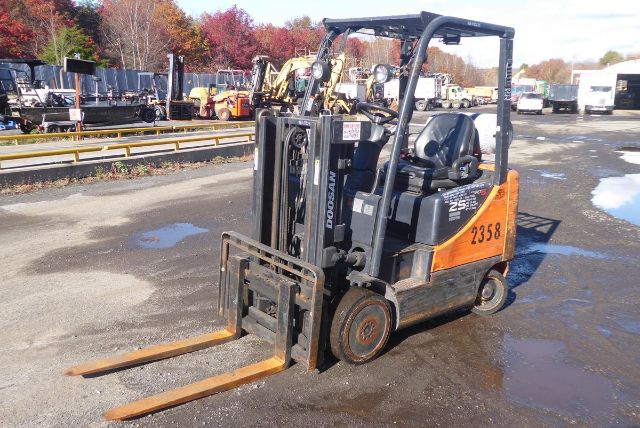
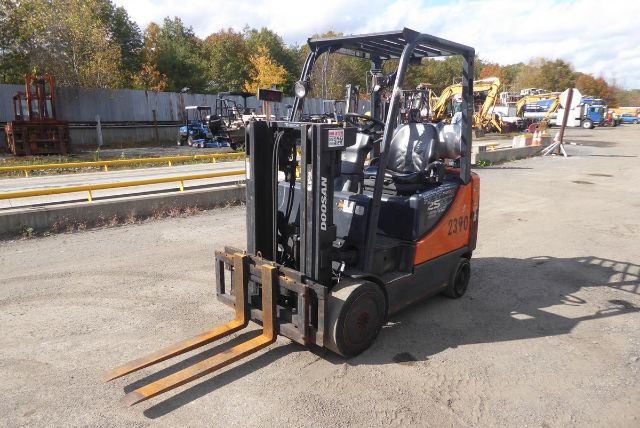
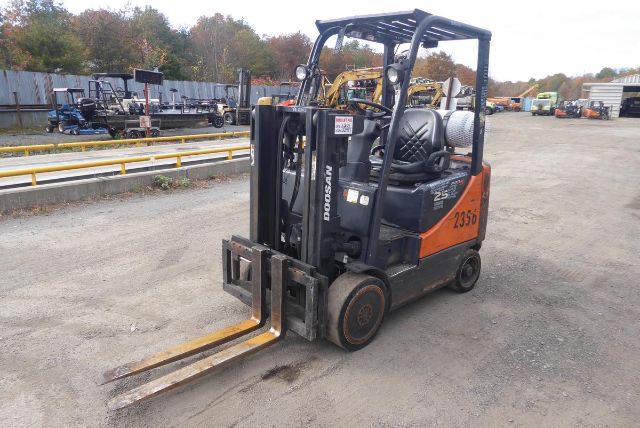
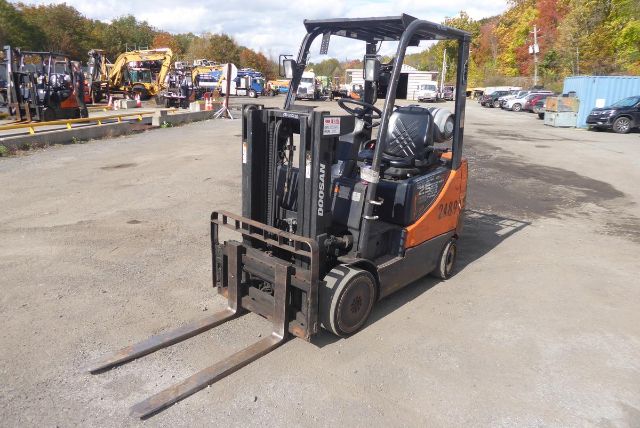
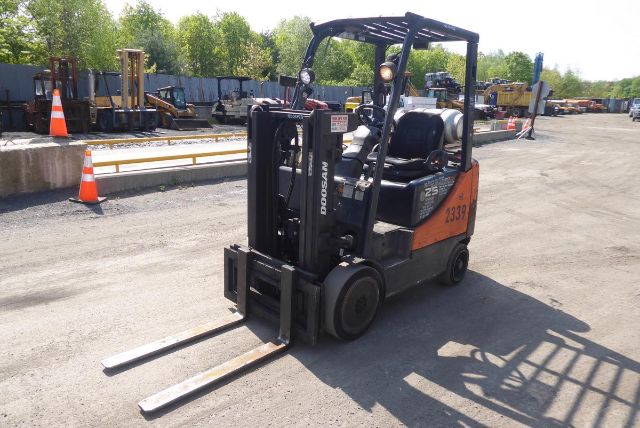
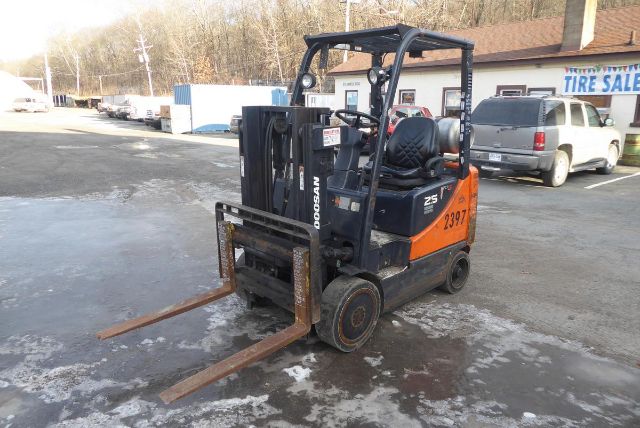
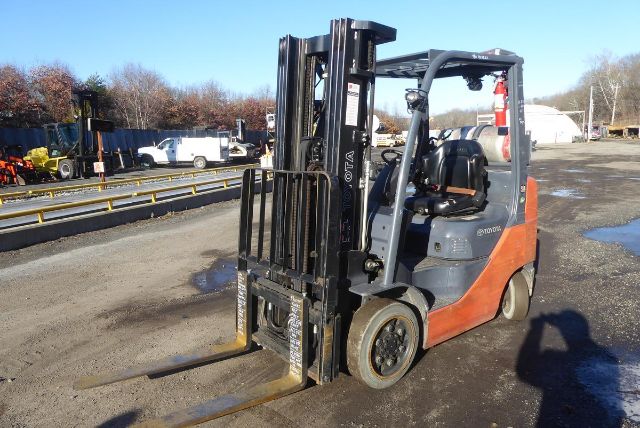
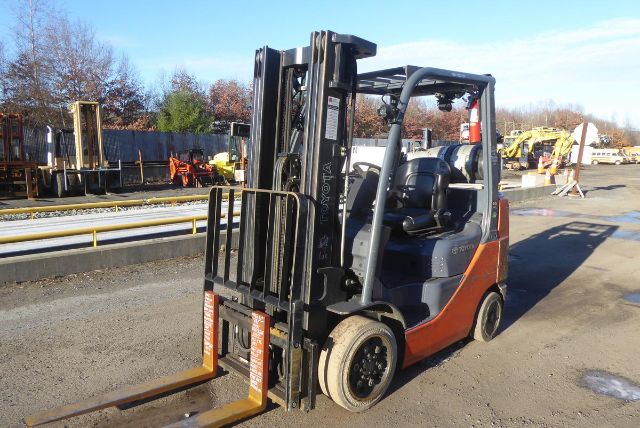
This category can include a wide mix of commercial assets tied to trucking operations, from road tractors and straight trucks to trailers, forklifts, yard support equipment, and shop or loading yard machines. The key is to evaluate the equipment by application first, not just by price or model year. A 2014 day cab for regional freight should be judged on axle ratings, wheelbase, PTO provisions, and aftertreatment service history. A 2014 dry van, flatbed, or dump trailer should be checked for frame condition, floor wear, crossmember integrity, suspension type, brake spec, and tire age. Material-handling equipment tied to trucking yards, such as forklift trucks or warehouse lifts, should be reviewed for lift capacity, mast height, side shift function, hours, tire type, and hydraulic performance.
Buyers shopping 2014 equipment should pay close attention to wear items and compliance-related costs. On trucks, that usually means DPF and SCR history, injector performance, coolant and oil leaks, clutch life, transmission operation, and suspension bushing condition. In New York, rust can quickly separate a sound unit from an expensive project, so frame rails, cab mounts, spring hangers, brake lines, trailer subframes, and electrical connections deserve a close inspection. On trailers and support equipment, look at landing gear operation, kingpin wear, floor repairs, lighting circuits, hydraulic hose condition, mast chain wear, and any signs of structural cracking around high-stress points.
A good 2014 unit often makes sense for fleets adding capacity without taking on new-equipment pricing, and for owner-operators or contractors who need a proven machine with simpler economics. Common specs in this age range vary widely, but buyers will often see diesel power, automatic or automated-manual transmissions on trucks, air-ride or spring suspensions, aluminum or steel wheel options, and vocational upfits tailored to regional work. The smartest purchase is the one matched to payload, route, loading environment, and maintenance budget. Service records, hours or mileage, tire and brake remaining life, and evidence of proper preventive maintenance usually tell more than the badge on the hood.
Frequently Asked Questions about 2014 Equipment in New York
What should I look for first when buying 2014 trucking equipment in New York?
Start with application fit, then inspect condition. Make sure the unit’s capacity, dimensions, axle ratings, and operating layout match the work you need it to do. After that, focus on corrosion, service history, and major component condition. In New York, rust on frames, brake lines, wiring, crossmembers, and mounts can be more important than cosmetic appearance. For powered equipment, review engine, transmission, hydraulic, and aftertreatment history before making a price decision.
Is 2014 trucking equipment still a good value in the used market?
Yes, 2014 equipment can be a strong value when it has been maintained correctly and matched to the right job. It typically costs less than newer units while still offering broad parts availability and familiar systems for most technicians. The tradeoff is that age-related repairs become more likely, so buyers should budget for tires, brakes, batteries, hoses, suspension work, and emissions-related service depending on the equipment type.
How important are hours versus mileage on 2014 equipment?
Both matter, but the right metric depends on the machine. Trucks are usually judged heavily by mileage, engine hours, idle time, and maintenance history together. Yard equipment, forklifts, and lifts are more hour-driven than mile-driven. A lower reading is not automatically better if the unit sat for long periods or missed preventive service. Condition, repair records, and signs of proper use are usually more reliable indicators than one number alone.
What common repairs should buyers expect on 2014 commercial equipment?
Common repair areas include tires, brakes, suspension bushings, wheel seals, batteries, lighting, hydraulic hoses, and worn pins or mast components on lifting equipment. On diesel trucks, buyers should also expect to evaluate DPF cleaning history, DEF system operation, sensors, EGR components, and driveline wear. On trailers, floor damage, landing gear wear, air leaks, and kingpin or suspension issues are frequent inspection points. These are normal used-equipment concerns, but they should be reflected in price and downtime expectations.
Does brand matter more than maintenance on 2014 trucking equipment?
Maintenance usually matters more. Well-supported brands do help with parts sourcing, resale value, and technician familiarity, but a properly maintained unit from a mid-tier brand is often a better buy than a neglected premium brand unit. Buyers should put more weight on service documentation, inspection results, component condition, and evidence of consistent upkeep than on brand name alone.