
2013 Equipment For Sale in New York
Browse 2013 trucking equipment for sale in New York, including work-ready trucks, trailers, forklifts, loaders, and support equipment.
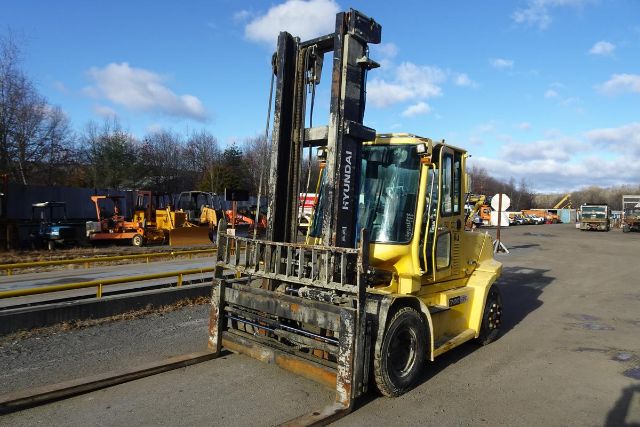
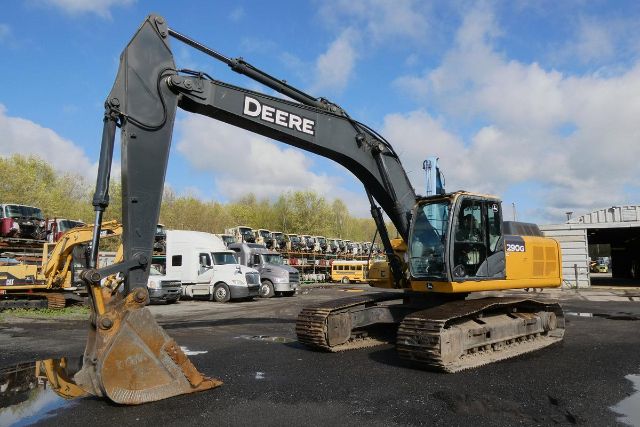
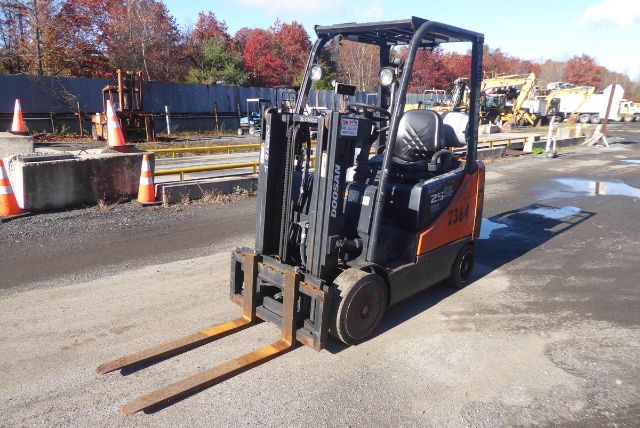
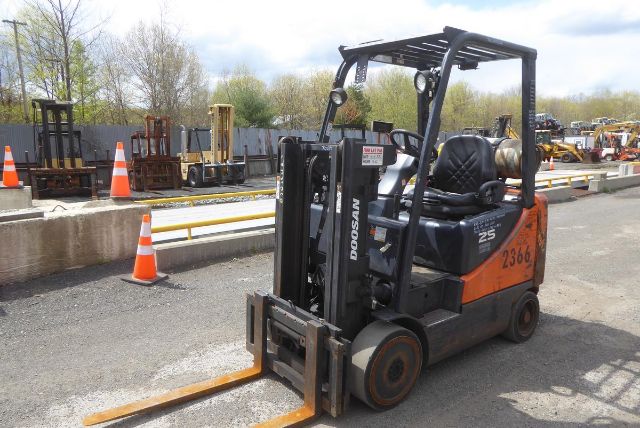
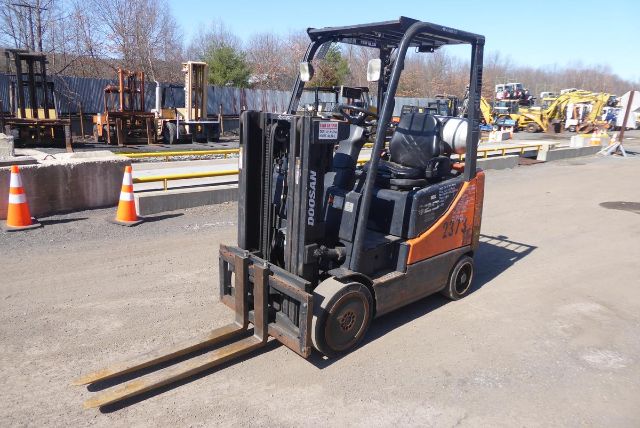
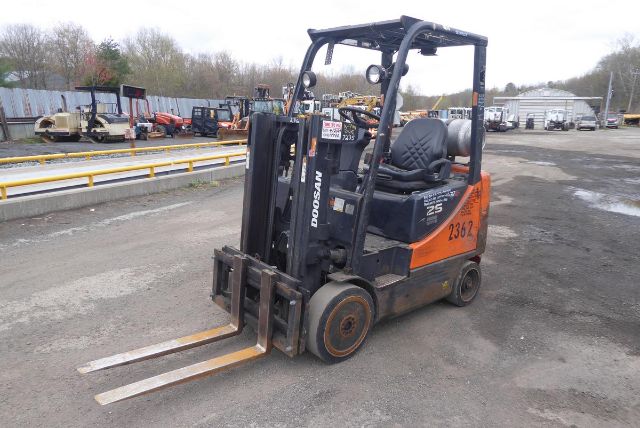
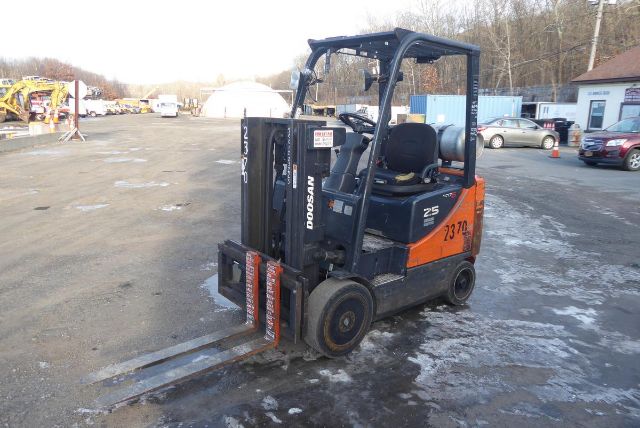
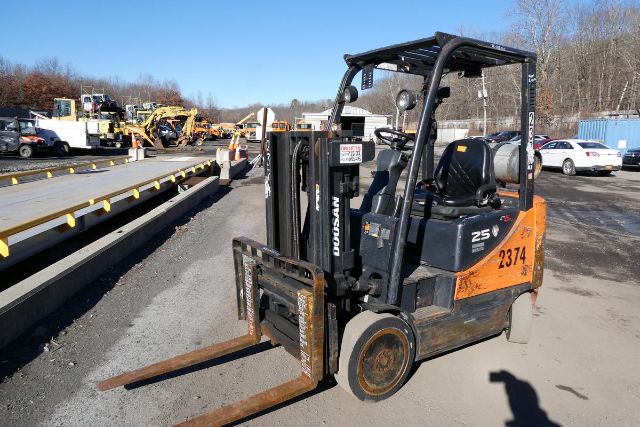
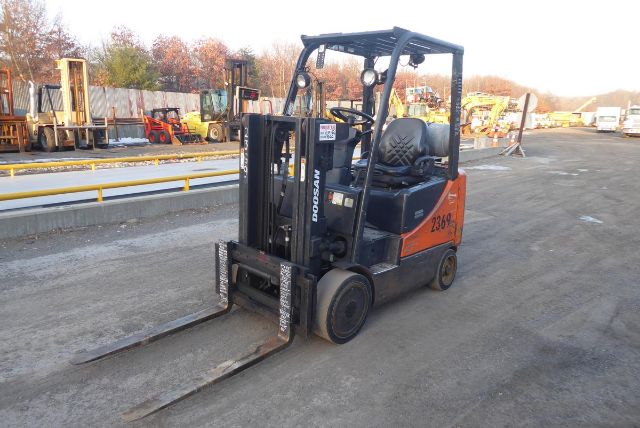
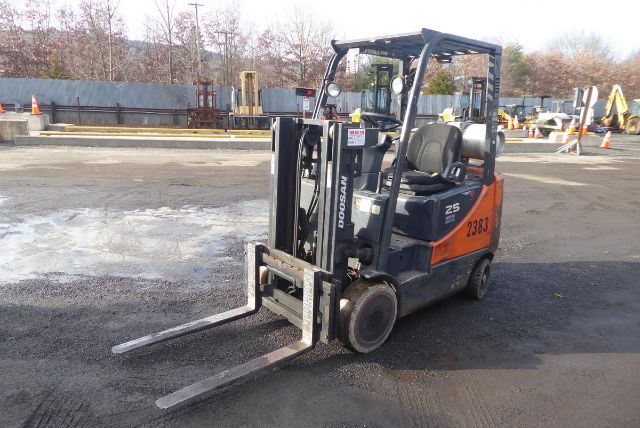
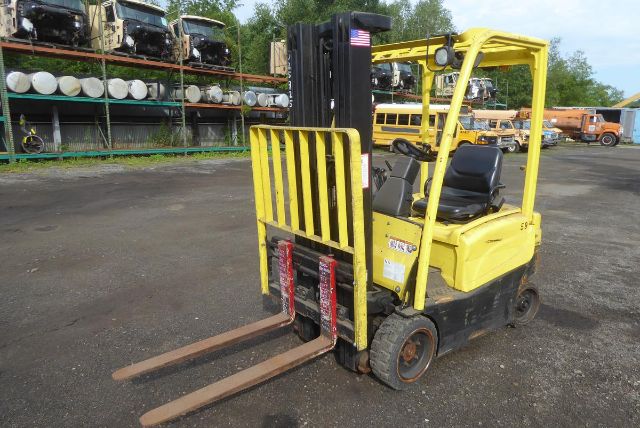
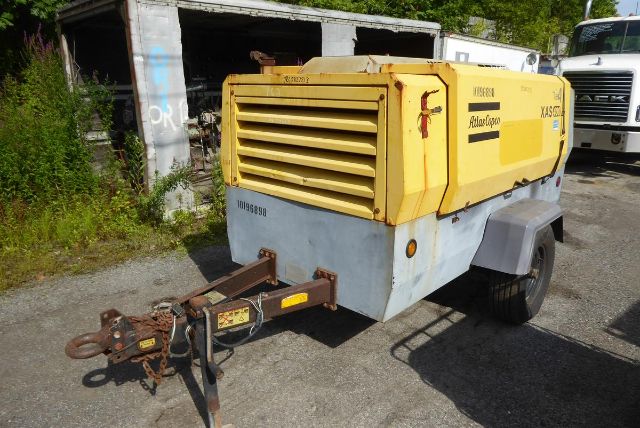
Selling a 2013 equipment? List your 2013 equipment for sale and reach thousands of commercial buyers.
2013 Equipment in New York
On 2013-era equipment, operating hours, service history, hydraulic performance, tire or track condition, and structural wear usually matter more than appearance. Buyers should pay close attention to common wear points such as mast rollers and chains on forklifts, boom pins and bushings on loaders, hydraulic leaks, transmission response, brake function, and signs of frame or attachment damage. If the equipment supports loading docks, warehouses, cross-dock operations, flatbed freight, or local delivery terminals, capacity and dimensions are key. Lift capacity, fork length, overall width, machine height, attachment compatibility, and turning radius all affect how well a unit fits an existing operation.
New York buyers also need to think about environment and application. Equipment that spent years outdoors may show more rust, wiring issues, and cab wear from snow, salt, and freeze-thaw cycles. Machines used in urban yards or tight terminal spaces may have lower travel speeds but benefit from compact footprints and better maneuverability. Diesel, propane, gas, and electric configurations each bring different advantages depending on indoor use, fueling setup, and maintenance preferences. For support equipment like forklifts and loaders, enclosed cabs, side shift, auxiliary hydraulics, quick couplers, and solid tires can make a measurable difference in daily productivity.
A good 2013 trucking equipment purchase is usually one that matches the work cycle without forcing expensive reconditioning right away. Buyers should compare actual specs, not just category labels. Rated capacity, operating weight, engine type, mast or boom configuration, loading height, and attachment setup all affect performance in the field. It is also smart to verify serial numbers, meter readings, cold-start behavior, and the availability of replacement parts for that make and model. In this age range, straightforward mechanical condition and evidence of consistent fleet maintenance usually add more real value than cosmetic cleanup.
Frequently Asked Questions about 2013 Equipment in New York
What should I look for first when buying 2013 trucking equipment?
Start with the fundamentals that affect uptime: hours or mileage, maintenance records, visible leaks, structural condition, tire or track wear, and how the machine operates under load. On forklifts, check mast operation, lift chains, tilt cylinders, side shift, brakes, and steering response. On loaders or yard support equipment, inspect pins, bushings, boom alignment, hydraulic auxiliary function, and attachment wear. A clean inspection of core systems matters more than paint or minor cosmetic flaws on 2013 equipment.
Is 2013 trucking equipment too old for commercial use?
Not necessarily. Many 2013 commercial machines remain productive if they were maintained on schedule and used in the right application. Age alone does not determine value or reliability. A properly serviced 2013 forklift, loader, trailer, or support unit can still be a cost-effective option for warehouses, yards, farms, contractors, and smaller fleets. The better measure is current condition, parts availability, and whether the equipment still matches the job's required capacity and duty cycle.
What matters most on 2013 equipment used in New York?
Corrosion, cold-weather starting, and hydraulic condition deserve extra attention in New York. Snow, road salt, and outdoor storage can accelerate rust on frames, steps, wiring connections, brake components, and undercarriage areas. Buyers should also confirm the machine starts cleanly in low temperatures, reaches operating temperature correctly, and does not show slow hydraulic response when cold. If the equipment worked in city terminals or tight yards, inspect for impact damage and excessive steer axle or tire wear from constant maneuvering.
How do I compare different types of 2013 trucking equipment on the same page?
Compare them by task, not just by category. A forklift should be judged by lift capacity, mast height, fork dimensions, fuel type, and indoor or outdoor suitability. A skid steer or compact loader should be compared by operating weight, rated operating capacity, hydraulic flow, cab configuration, and attachment compatibility. Trailers and other trucking support equipment should be compared by GVWR, axle setup, deck or body dimensions, brake type, and structural condition. The best unit is the one that fits the work with the least compromise.
Are parts and service still available for most 2013 commercial equipment?
For many mainstream brands, yes. Parts support is usually still strong for common 2013 forklifts, loaders, trailers, and fleet support equipment, especially from established manufacturers. Buyers should still verify engine family, transmission model, hydraulic components, and any electronic control systems before purchase. Availability can vary by brand, regional dealer network, and whether the machine uses common attachments or specialized components. Confirming serviceability before buying helps avoid downtime later.