
2011 Equipment For Sale in New York
Browse 2011 trucking equipment for sale in New York, including common specs, applications, condition points, and buying considerations.

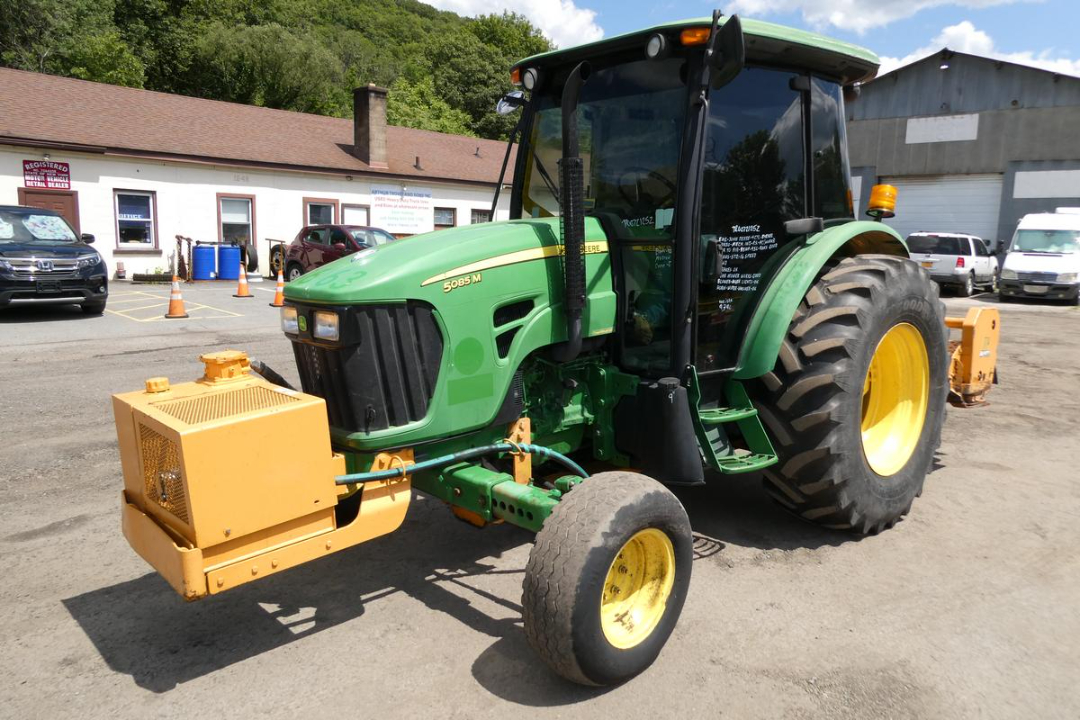
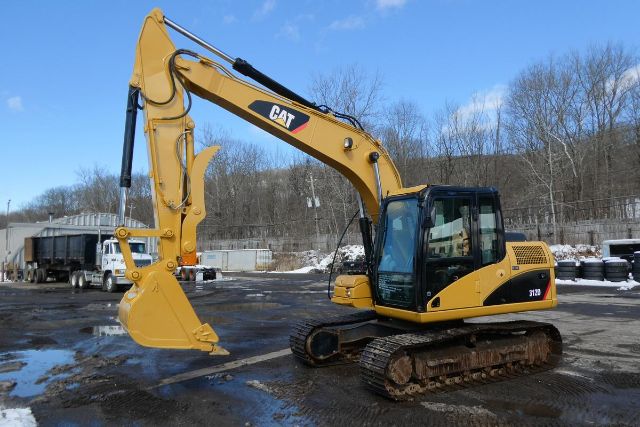
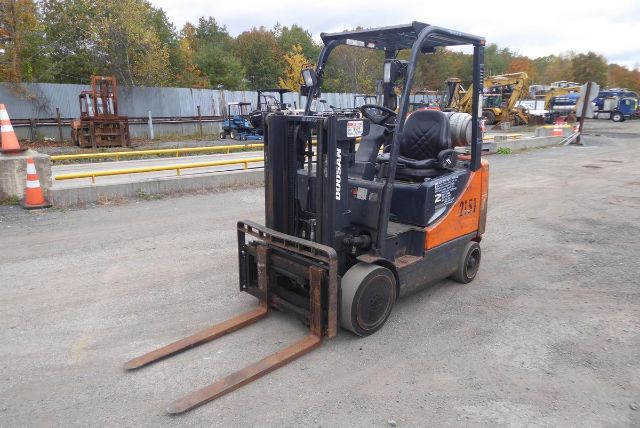
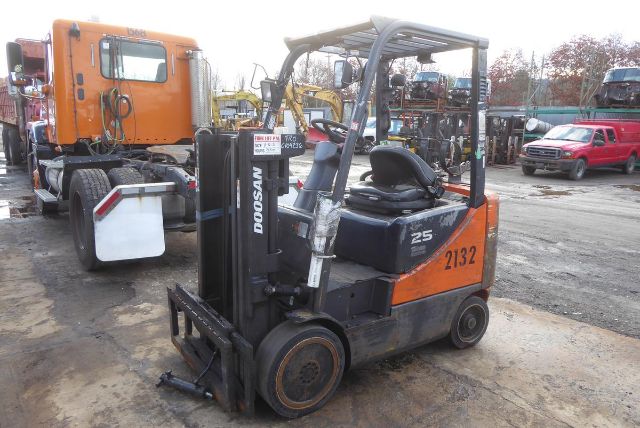
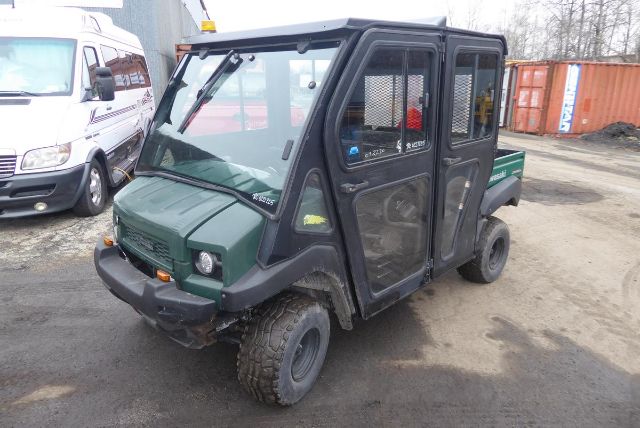
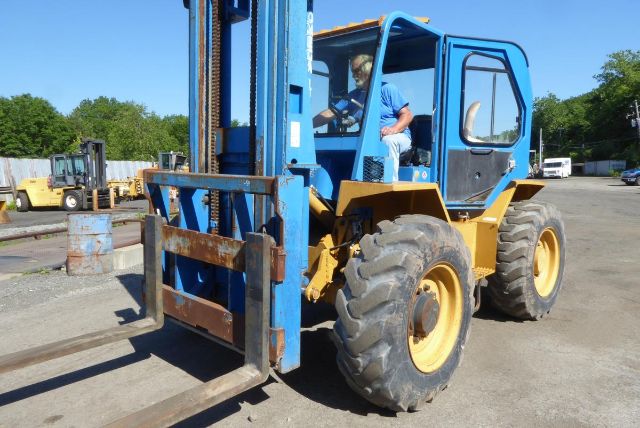
Selling a 2011 equipment? List your 2011 equipment for sale and reach thousands of commercial buyers.
2011 Equipment in New York
For buyers in New York, the job application matters more than the badge on the hood. A 2011 forklift, yard machine, loader, or related piece of trucking equipment should be matched to lift capacity, operating weight, overall width, tire type, power source, and attachment compatibility. In tighter metro and warehouse environments, compact dimensions, solid tires, and good visibility can matter more than raw horsepower. In upstate yards and heavier-duty outdoor use, buyers often focus on cold-weather starting, diesel or propane fuel choice, enclosed cabs, hydraulic performance, and parts support. If the machine will work around trailers and loading docks, pay attention to turning radius, mast or boom height, fork length, loading height, and brake response.
Condition is usually the deciding factor on 2011 trucking equipment. Hour meter readings help, but they do not tell the whole story. Buyers should look closely at cylinder seepage, mast or boom wear, articulation and pivot play, transmission engagement, hydraulic quick couplers, steer axle looseness, and tire condition. On forklifts and loaders especially, uneven tire wear, chain stretch, sloppy pins and bushings, and weak lift functions can point to expensive repairs. If the unit has an enclosed cab, confirm heater and A/C operation, glass condition, and control responsiveness. For diesel-powered equipment, verify cold-start behavior, smoke under load, and any emissions-related service history. For propane units, inspect fuel system components and confirm the application fits indoor or mixed-use work.
A well-selected 2011 piece of trucking equipment can still be a productive asset for freight handling, pallet movement, trailer loading, yard cleanup, and support work around a truck fleet. Common buyer priorities in this class include straightforward maintenance access, durable driveline components, availability of forks or buckets, and compatibility with the site where the machine will operate. The best choice is usually the one with the clearest service history, the right capacity margin for the job, and the fewest surprises in hydraulics, undercarriage, mast, or transmission performance.
Frequently Asked Questions about 2011 Equipment in New York
What should I check first when buying 2011 trucking equipment?
Start with the machine's actual job requirements and then inspect condition. Capacity, lift height, operating width, fuel type, tire style, and attachment setup should match the work site before price becomes the main factor. After that, focus on hydraulic performance, transmission operation, steering response, brake function, structural wear, and any signs of leaks or abuse. A 2011 unit can still provide strong value if maintenance has been consistent and major wear points are under control.
Is 2011 trucking equipment too old for daily commercial use?
Not necessarily. Many 2011 machines remain viable for daily fleet, warehouse, and yard service if they have been maintained properly and fit the application. Age alone matters less than service history, hours, parts support, and overall mechanical condition. Buyers should be realistic about wear items such as hoses, tires, chains, bushings, batteries, and seals, but a sound 2011 machine can still be a cost-effective alternative to newer equipment.
What fuel type makes the most sense on 2011 material-handling equipment?
The right fuel depends on where and how the equipment will be used. Propane is common for forklifts that operate in warehouse and dock environments because it offers fast refueling and strong indoor-outdoor flexibility when local requirements allow. Diesel is more common on larger outdoor-capacity machines and can be better for extended heavy-duty work. Electric units may reduce fuel handling and emissions concerns, but battery condition, charger compatibility, and runtime become critical buying factors.
Why do hours matter less than condition on used 2011 equipment?
Hour readings are useful, but they should not be treated as the only measure of value. A lower-hour machine with poor maintenance, corrosion, impact damage, or neglected hydraulics can be a worse purchase than a higher-hour machine that has been serviced on schedule. Wear in the mast, lift chains, loader linkage, steering components, transmission, and hydraulic cylinders often reveals more about remaining life than the meter alone. Buyers should evaluate hours together with service records, cold-start performance, and visible mechanical wear.
What matters most for buyers in New York?
New York buyers often need equipment that can handle varied weather, tight operating spaces, and mixed indoor-outdoor use. Cold-start reliability, heater performance, traction, tire condition, and compact maneuverability are important in many applications. For urban and warehouse settings, overall width, visibility, and dock-friendly handling can be just as important as lift capacity. In heavier yard or municipal use, buyers usually place more weight on cab condition, hydraulic strength, and the machine's ability to work reliably through winter conditions.