
2005 Equipment For Sale in New York
Browse 2005 trucking equipment for sale in New York, including trailers, forklifts, loaders, and support equipment for fleet and yard operations.
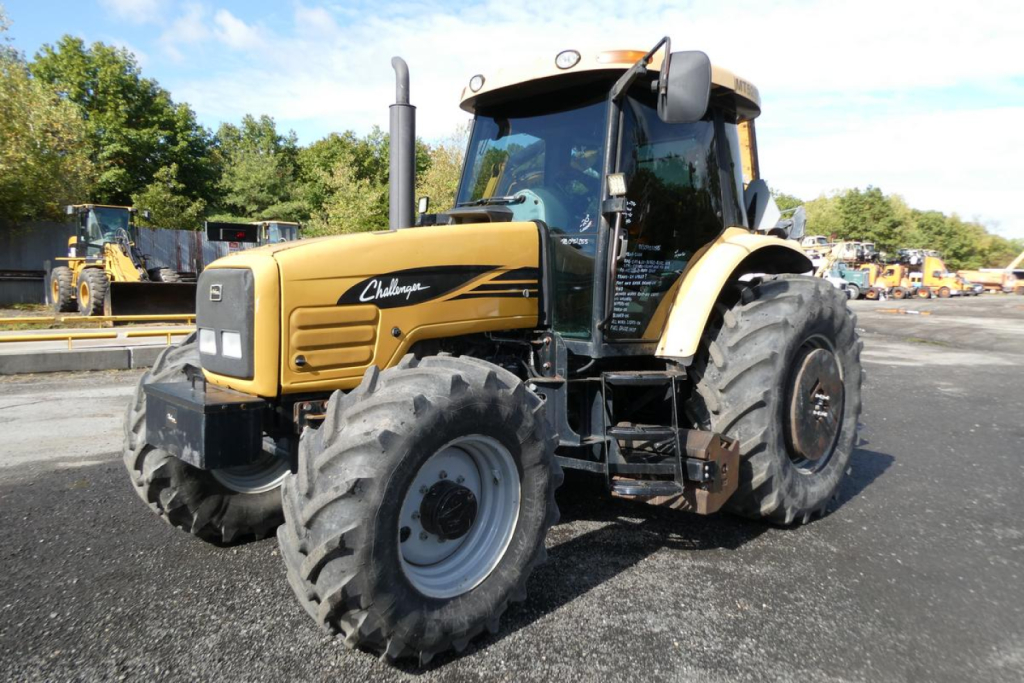
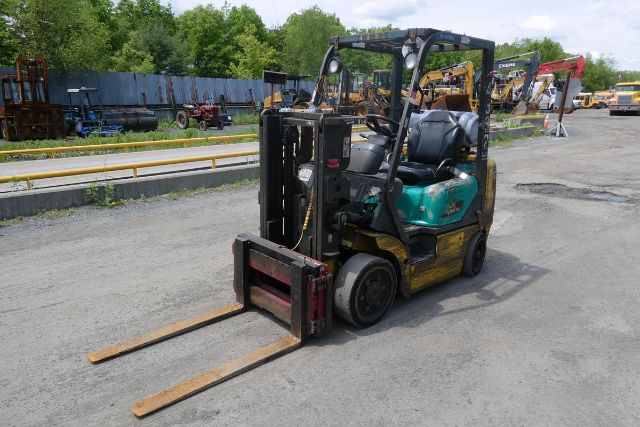
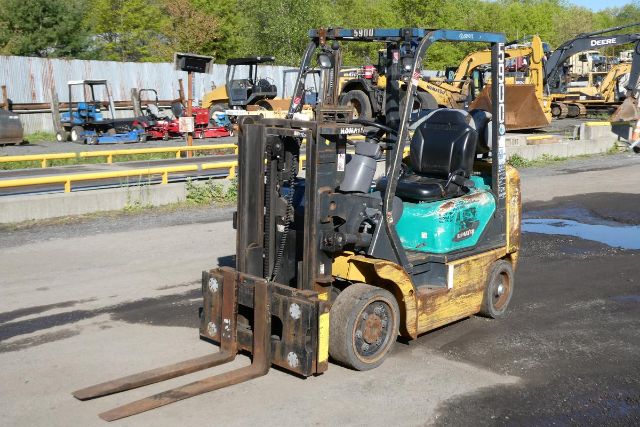
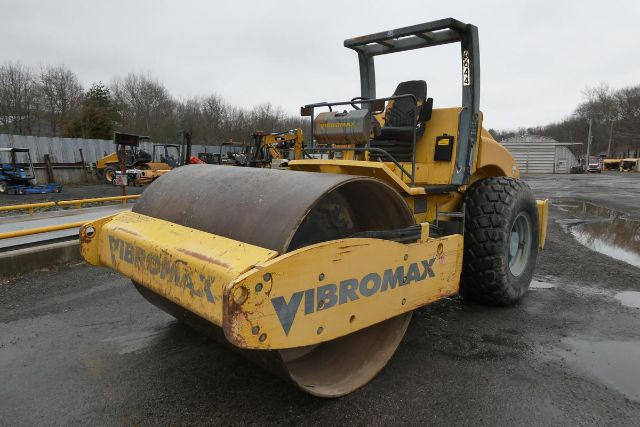
Selling a 2005 equipment? List your 2005 equipment for sale and reach thousands of commercial buyers.
2005 Equipment in New York
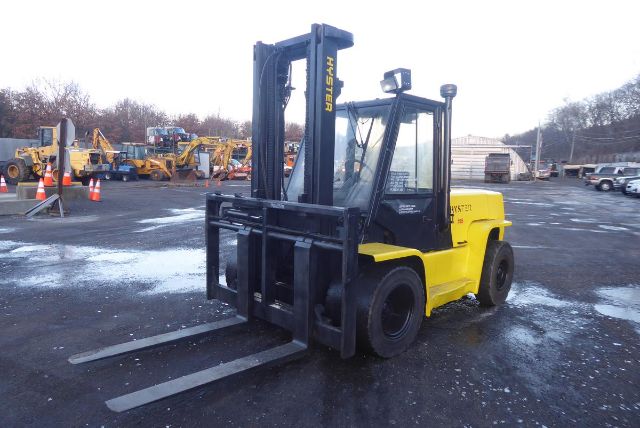
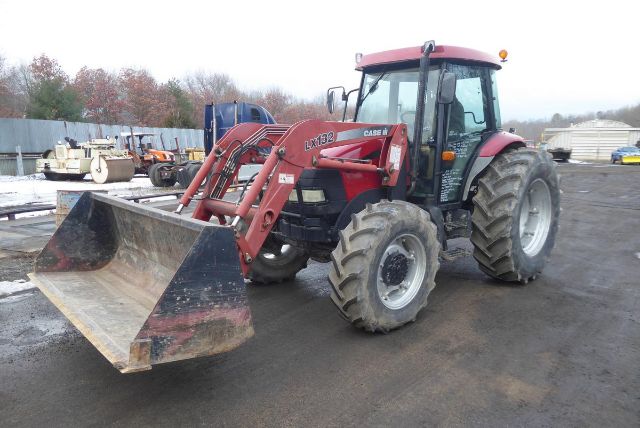
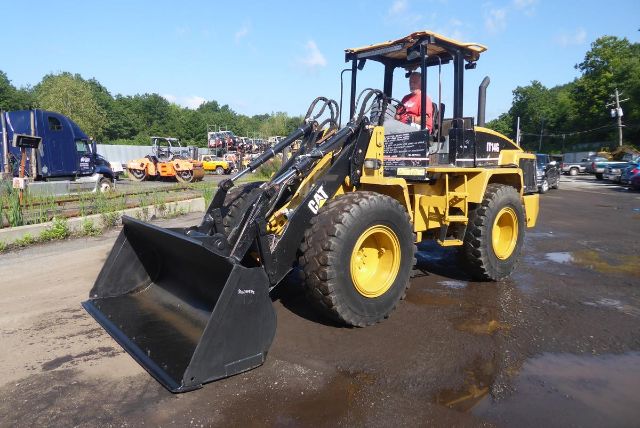
When evaluating 2005 trucking equipment for sale, start with the specs that affect daily usability. On forklifts, that usually means lift capacity, mast type, lowered height, side shift, fork length, fuel type, and tire configuration. Pneumatic or cushion tire setup changes where the unit will work best, and LP gas, diesel, or electric power changes both operating cost and indoor suitability. On heavier support equipment such as loaders or yard machines, buyers should pay close attention to operating weight, bucket or attachment size, drivetrain layout, brake type, hydraulic condition, and visible play in pins, bushings, mast rollers, or steer components. Hour meter accuracy can be less important than documented service and a machine that starts clean, lifts properly, steers straight, and shows dry cylinders and consistent hydraulic response.
New York buyers also need to think about regional operating conditions. Cold starts, corrosion from road salt, wet yard surfaces, and indoor-outdoor use can all affect the right equipment choice. Solid tires, enclosed operator areas, block heaters, reliable propane systems, and strong brakes can matter more in this market than cosmetic appearance. If the equipment will be used around trailers, docks, or distribution centers, overall height, turning radius, and loaded stability are usually more important than top-end travel speed. Older equipment can be especially attractive for lower-hour seasonal use or backup duty, but it should still be checked for parts availability, mast and carriage wear, transmission engagement, hydraulic leaks, and frame or fork damage.
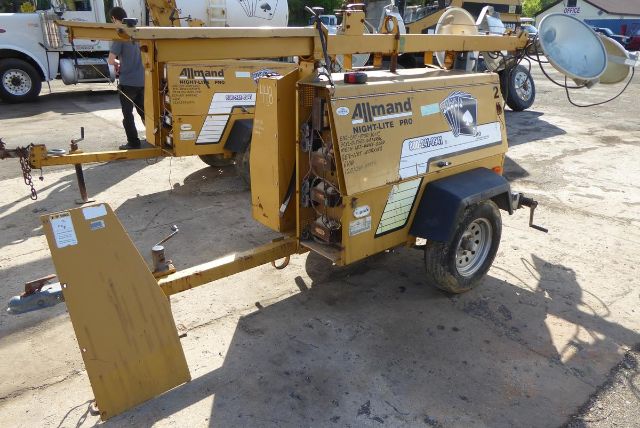
The best 2005 trucking equipment purchase is the one matched to the job cycle, not just the lowest price. A buyer comparing listings should look beyond year and make to see how the machine is configured and how it was used. Capacity, attachment setup, service access, fuel system condition, and compatibility with your site all have a direct effect on uptime. In this age range, simple mechanical layouts can be an advantage if you want easier field service and lower repair complexity, but only if the machine has been maintained. For fleet support, warehouse handling, and yard operations, 2005 trucking equipment can still deliver solid utility when the core systems are sound and the specs fit the work.
Frequently Asked Questions about 2005 Equipment in New York
What should I check first on 2005 trucking equipment before buying?
Start with the machine's core operating systems: engine or power source, transmission, hydraulics, brakes, steering, and structural condition. On forklifts, inspect mast channels, chains, carriage wear, fork condition, tilt cylinders, and side shift function if equipped. On loaders or other support equipment, look for play in pins and bushings, seepage at cylinders, tire condition, articulation or steer axle wear, and smooth hydraulic operation under load. A lower price on older equipment is only a good value if the major systems are still sound and replacement parts remain available.
Is 2005 trucking equipment too old for commercial use?
Not necessarily. Age alone does not determine usefulness in this category. Many 2005 machines remain productive in yards, warehouses, terminals, farms, and maintenance operations because they were built with durable mechanical systems and straightforward serviceability. The better question is how the equipment was maintained, how many actual hours it has worked, and whether it matches your operating environment. A clean, correctly sized unit with solid hydraulics and good service records can be a better fit than a newer machine with deferred maintenance.
What specs matter most on a used forklift from this age range?
The key forklift specs are rated capacity, load center, mast type, lowered and raised height, overall width, tire type, fork length, and fuel system. Buyers should also confirm whether the truck has side shift, fork positioning, back tilt, and the right mast clearance for trailers, racking, or door openings. In a 2005-era forklift, operating condition of the mast, transmission engagement, steer axle, and hydraulic cylinders usually matters more than cosmetic wear. The right spec package will directly affect safety, maneuverability, and loading efficiency.
Are older support machines a good fit for New York operations?
They can be, especially for yard support, seasonal work, and backup equipment, but New York conditions demand a closer inspection. Salt exposure can accelerate corrosion on frames, brake components, wiring, and hydraulic fittings. Cold weather performance also matters, particularly for diesel and propane units that need reliable starts and stable hydraulic response. Equipment used around wet pavement, docks, and outdoor storage areas should be checked carefully for tire traction, brake performance, electrical condition, and rust at stress points.
How do I compare listings in a broad category like trucking equipment?
Compare listings by intended application first, then by usable specs, then by condition. A forklift, loader, and other yard support machine may all fall under trucking equipment, but they solve different problems. Once you narrow the job, compare capacity, dimensions, fuel type, attachment setup, and serviceability. After that, focus on signs of maintenance quality such as dry cylinders, smooth operation, clean starts, consistent transmission response, and reasonable wear for the machine's age. That approach gives a better buying decision than comparing only brand, year, or asking price.