
2000 Equipment For Sale in New York
Browse 2000 trucking equipment for sale in New York, including forklifts, loaders, and support equipment for yard, warehouse, and fleet use.
Selling a 2000 equipment? List your 2000 equipment for sale and reach thousands of commercial buyers.
2000 Equipment in New York
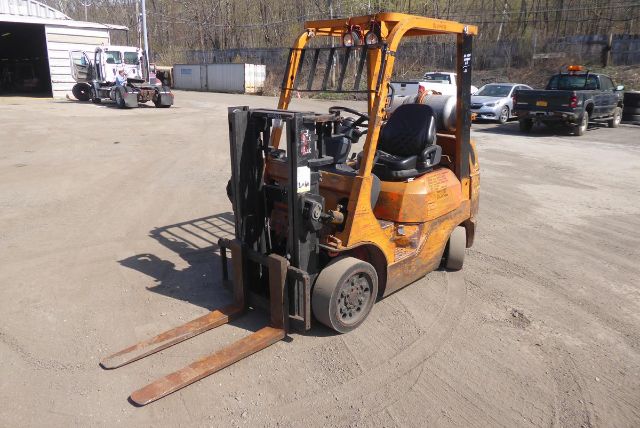
Forklifts are one of the most common equipment types tied to trucking operations, especially for LTL terminals, flatbed yards, building supply handling, and warehouse freight movement. Important specs include rated capacity, mast style, lowered mast height, maximum lift height, side shift, fork length, and whether the truck runs on LPG, diesel, or gasoline. Cushion-tire forklifts are common indoors on smooth concrete, while pneumatic-tire models are better suited to outdoor yards and rougher surfaces. Buyers in New York also need to pay attention to cold-weather starting, parts support, and whether the machine's dimensions allow it to work cleanly inside older warehouse buildings with tighter clearances.
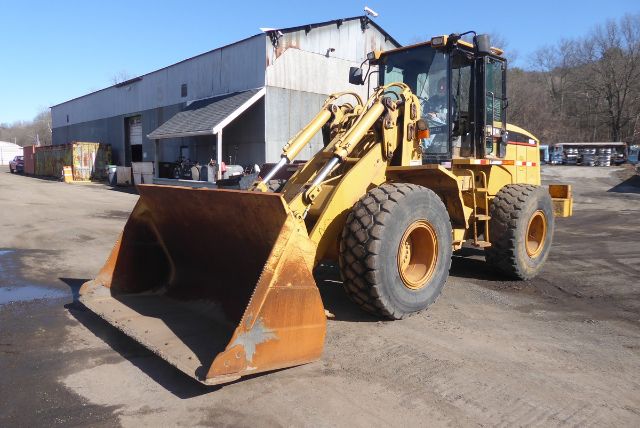
Wheel loaders and similar yard machines serve a different role but are just as relevant for trucking businesses handling bulk materials, pallets, snow, debris, or loading support. On these units, operating weight, bucket width, breakout force, auxiliary hydraulics, quick coupler setup, tire size, and articulation condition matter more than cosmetic appearance. If the machine will switch between buckets and forks, a quick-attach arrangement and third valve can add real day-to-day value. In a Northeast market like New York, buyers should look closely at center pins, bushings, hydraulic seepage, tire condition, and cab configuration, especially if the machine will spend long hours outdoors in winter conditions.
Across this equipment class, condition assessment is where the best buying decisions are made. Hour meter readings help, but they should be weighed alongside engine performance, transmission engagement, mast or boom response, cylinder dryness, steering play, brake feel, and structural wear. For older trucking equipment, practical serviceability often matters more than model year alone. A buyer comparing multiple listings should focus on application fit, attachment compatibility, undercarriage or tire replacement cost, and the availability of common wear parts. That approach usually leads to a machine that earns its keep in a yard or freight operation instead of becoming a maintenance project.
Frequently Asked Questions about 2000 Equipment in New York
What types of machines are usually included in trucking equipment for sale?
This category typically includes support equipment used around freight operations rather than over-the-road trucks themselves. Common examples are forklifts, wheel loaders, yard handling machines, and other equipment used for loading, unloading, staging freight, moving pallets, handling bulk material, clearing lots, or supporting maintenance operations. The exact mix varies, so buyers should filter by the job the machine needs to perform, not just the broad equipment label.
What should I check first when comparing used forklifts for trucking or warehouse work?
Start with rated lift capacity, mast height, lowered overall height, fuel type, and tire configuration. Those specs determine whether the forklift can safely handle your freight, fit through doors, work inside trailers or warehouses, and operate on your surface conditions. After that, look at side shift, fork length, hydraulic response, transmission behavior, and visible mast or cylinder wear, because those items affect daily usability and repair cost.
Are wheel loaders a practical fit for trucking businesses?
They can be, especially for carriers or contractors handling aggregate, recycling, snow, pallets, or mixed yard duties. A wheel loader with forks and a quick coupler can serve as a flexible yard machine when a standard forklift is too limited for rough terrain or outdoor work. Buyers should pay close attention to articulation joint wear, hydraulic leaks, bucket and fork condition, tire cost, and cab suitability for all-weather operation.
Does older equipment still make sense if the hour count is high?
Yes, if the machine has been maintained and the wear points match the asking price. High hours are not automatically a deal breaker on forklifts, loaders, or yard equipment, but they do raise the importance of checking engine blow-by, cooling system condition, transmission engagement, steering looseness, mast or pivot wear, and the condition of cylinders, hoses, and tires. On support equipment, service history and present operating condition often matter more than age alone.
What matters most for buyers in New York?
New York buyers should factor in cold-weather starting, enclosed cab preference, traction, and the ability to work on mixed indoor and outdoor surfaces. Equipment used in the Northeast often sees snow, salt, freeze-thaw cycles, and tighter urban yard layouts, so corrosion, hydraulic hose condition, tire type, and overall maneuverability deserve extra attention. Parts availability and local service support are also important if the machine will be used regularly in a working fleet environment.