
1998 Equipment For Sale in New York
Browse 1998 trucking equipment for sale in New York, including trucks, trailers, forklifts, support units, and jobsite-ready commercial equipment.
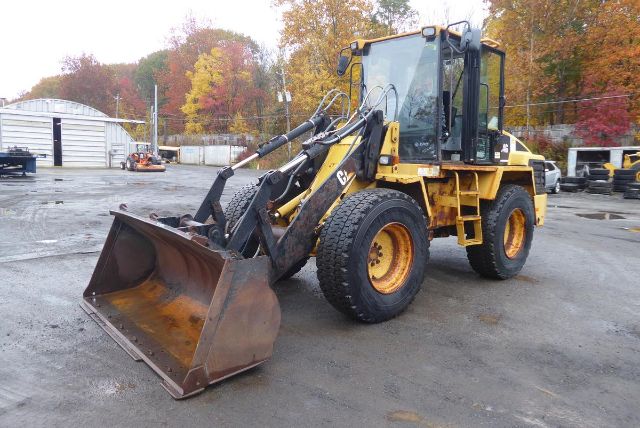
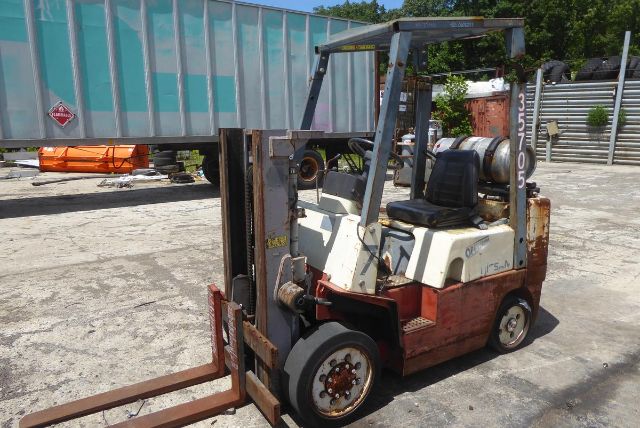
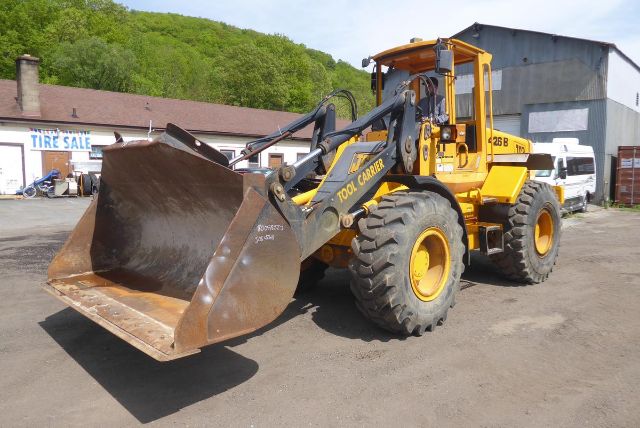
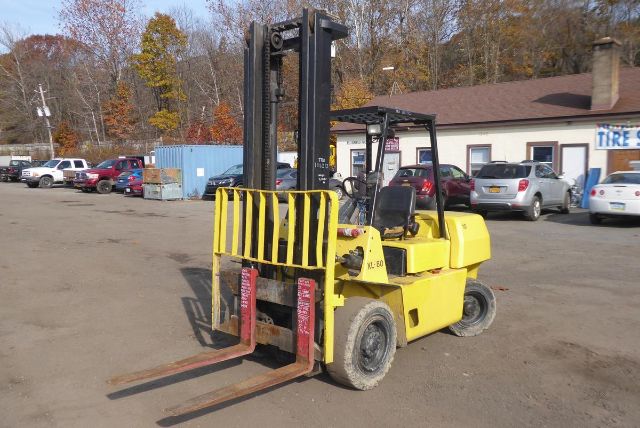
Selling a 1998 equipment? List your 1998 equipment for sale and reach thousands of commercial buyers.
1998 Equipment in New York
The first decision is usually whether the equipment is intended for over-the-road service, yard use, or property-based operation. On older trucking equipment, engine health, transmission operation, brake condition, steering response, and structural integrity carry more weight than cosmetic appearance. Trucks and trailers from this era may have simpler mechanical systems that appeal to owner-operators and small fleets looking for straightforward serviceability. Forklifts, light towers, and other support equipment from the same period are often evaluated by hours, mast or boom wear, tire type, lift capacity, and signs of leakage at cylinders, pumps, and hoses. Buyers should also confirm tire sizes, wheel bolt patterns, operating weights, loading heights, and any attachment dimensions that affect daily use.
For New York buyers, registration class, emissions requirements, and intended route can influence what makes sense to purchase. Some 1998 equipment is best suited to private property, farm, warehouse, port, or yard environments rather than heavy highway use. If the machine will support trucking operations, practical details like PTO function, pintle or ball hitch setup, fork length, mast stage, trailer suspension, landing gear condition, lighting, and electrical compatibility can matter as much as engine specs. Older commercial equipment can offer strong value when the buyer matches the unit to a realistic workload and budgets for immediate catch-up maintenance such as hoses, batteries, tires, seals, lighting, and brake service.
A smart purchase in this category usually comes down to remaining service life and parts support. Many 1998 units still have a market because they use proven components, familiar drivetrains, and less complicated electronics than newer equipment. Review serial and VIN information, confirm hour or mileage readings when possible, inspect for weld repairs or frame modifications, and look closely at cooling systems, driveline play, mast pins, suspension wear, and rust-prone areas. The best 1998 trucking equipment is not simply the lowest-cost option. It is the unit with specs, condition, and service history that fit the job without creating avoidable downtime.
Frequently Asked Questions about 1998 Equipment in New York
What should I inspect first on 1998 trucking equipment?
Start with the major systems that determine whether the unit can work reliably right away. That means engine condition, transmission engagement, brakes, steering, hydraulics if equipped, frame or chassis integrity, and evidence of rust or prior repairs. On support equipment such as forklifts or towable units, check hour meter readings, mast or boom wear, cylinder leaks, tire condition, and whether safety equipment and controls function correctly. Older equipment should always be judged by mechanical condition and maintenance history before appearance.
Is 1998 trucking equipment still a practical buy for commercial use?
It can be, if the equipment is matched to the right application. Many 1998 units remain useful for yard work, local hauling, warehouse support, agricultural work, backup service, and property-based operations. Simpler systems can make repairs more straightforward, but buyers should expect age-related maintenance and verify that replacement parts are still available. The key is to buy for realistic duty cycles rather than expecting older equipment to perform like late-model fleet units under constant high-demand use.
What matters most when buying older equipment in New York?
Rust and cold-weather reliability are major concerns in New York. Road salt can affect frames, brake lines, crossmembers, wiring, cab floors, trailer structures, and mounting points, so corrosion should be inspected carefully. Buyers should also consider winter starting performance, battery and charging condition, heater operation, tire suitability, and hydraulic response in low temperatures. If the unit will be used on public roads, registration class, lighting, brakes, and any applicable state compliance issues should be verified before purchase.
How do I evaluate value on a 1998 machine or trailer?
Value comes from usable condition, not just price. Compare the unit's specs, hours or miles, visible wear, tire life, hydraulic condition, structural soundness, and included components or attachments against the work it needs to perform. A cheaper unit can become more expensive if it immediately needs tires, brake work, cooling system repair, mast service, or electrical repairs. A higher-priced piece of equipment with strong maintenance records and less deferred service is often the better buy over the long term.