
1998 Equipment For Sale
Shop 1998 trucking equipment for sale, including used material handling and support equipment suited for yard, dock, warehouse, and fleet work.
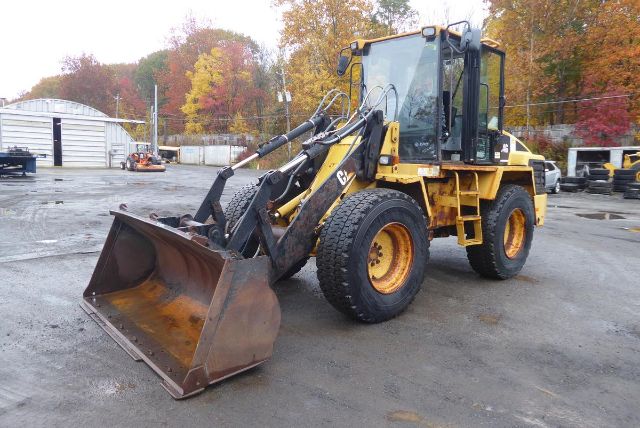
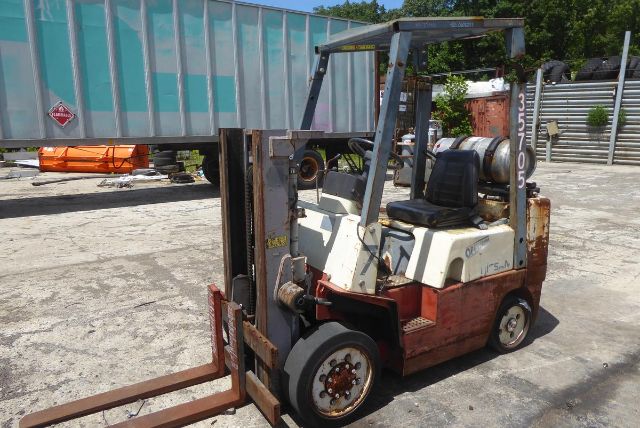
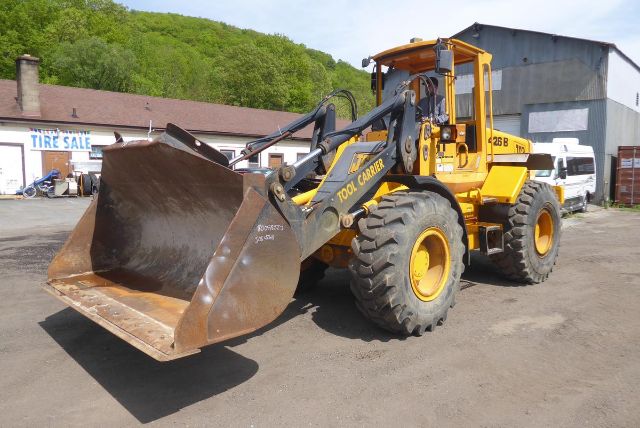
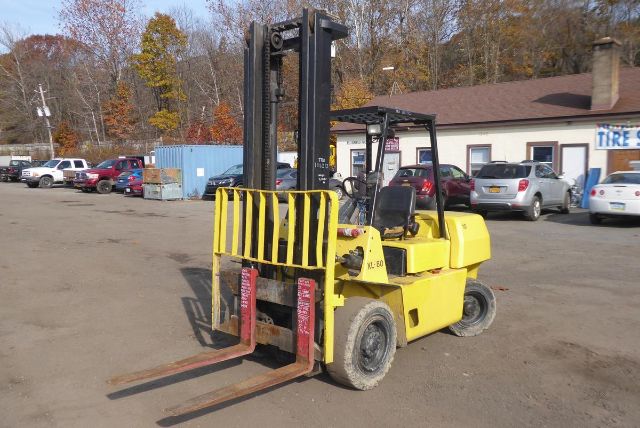

Selling a 1998 equipment? List your 1998 equipment for sale and reach thousands of commercial buyers.
1998 Equipment
The first decision is application. For dock and warehouse work, capacity, mast height, collapsed height, fork length, and fuel type matter more than cosmetics. Many older forklifts and yard support machines in this age range were built with straightforward drivetrains, common hydraulic layouts, and durable chassis designs. Propane models are common for indoor-outdoor use, while diesel units are typically favored for heavier lifting and outdoor service. Buyers should pay close attention to rated lift capacity, side shift function, mast type, back tilt, tire type, and overall operating weight because those details directly affect trailer loading, pallet handling, and maneuverability in tighter yard spaces.
Condition matters more than age on 1998 trucking equipment. Hour meter readings can help, but maintenance history, cylinder condition, mast wear, steering response, transmission engagement, brake performance, and cold-start behavior usually tell the real story. On older forklifts, inspect lift chains, carriage wear, hydraulic hoses, seals, steer axle play, and solid or pneumatic tire condition. If the equipment will be used around trailers, check overall width, turning radius, and lift height against your dock setup and typical freight profile. Parts support is also important. Established brands generally offer better aftermarket coverage for filters, ignition components, hydraulic parts, mast rollers, brakes, and service items.
A 1998 equipment purchase often works best for fleets that need practical support equipment rather than high-cycle production machines. That can include smaller carriers, repair facilities, farm supply operations, building material handlers, and regional terminals looking for a lower-cost way to keep freight moving. The strongest buys in this category tend to be units with clear operating specs, dry hydraulics, stable mast operation, and a serviceable powertrain. When comparing listings, focus on the machine's real working fit for your freight, floor conditions, and loading environment rather than model year alone.
Frequently Asked Questions about 1998 Equipment
What should I check first when buying 1998 trucking equipment?
Start with the machine's intended job and confirm the basic specs match it. On forklifts and similar support equipment, that means lift capacity, mast height, collapsed height, fuel type, overall width, tire setup, and fork dimensions. After that, inspect the condition of the engine or power source, transmission operation, hydraulics, steering, brakes, and structural wear points. On older equipment, operating condition and parts support usually matter more than model year.
Is 1998 trucking equipment still practical for commercial use?
Yes, it can be practical if the equipment is mechanically sound and matched to the workload. Many 1998 machines remain useful in lower-hour or medium-duty applications such as warehouse support, pallet handling, yard work, and shop use. The key is avoiding units with excessive mast wear, neglected hydraulics, transmission issues, or hard-to-source components. Buyers should treat a 1998 machine as a value-driven purchase and evaluate it by current performance, not just age.
Are propane or diesel units better in older material handling equipment?
It depends on the work environment. Propane units are often preferred for indoor-outdoor operation because refueling is quick and emissions are generally more manageable in ventilated warehouse settings. Diesel units are typically better for outdoor work, rougher surfaces, and heavier lifting applications where torque and durability matter. On a 1998 machine, the better choice is often the one with the cleaner-running engine, better service history, and easier parts availability.
How important are hours on 1998 forklifts and support equipment?
Hours are useful, but they are only part of the picture. An older machine with higher hours and strong maintenance can be a better buy than a lower-hour unit with neglected service. Hour meters can also be replaced or may have rolled over on older equipment. Buyers should compare hours with visible wear on pedals, mast components, seat condition, steering linkage, hydraulic cylinders, and drivetrain behavior to judge whether the reading is believable and whether the machine has been cared for properly.
What specs matter most for older forklifts used in trucking operations?
The most important specs are rated capacity, load center, mast type, maximum lift height, lowered mast height, overall width, fork length, side shift, tire type, and fuel system. Those details determine whether the unit can safely load trailers, work inside a dock, handle your pallet sizes, and maneuver through your facility. Buyers should also verify machine weight and floor suitability, especially in older warehouses or on mixed indoor-outdoor surfaces.