
1996 Equipment For Sale in New York
Shop 1996 trucking equipment for sale in New York. Compare older commercial trucks, trailers, and work equipment by condition, specs, and use.
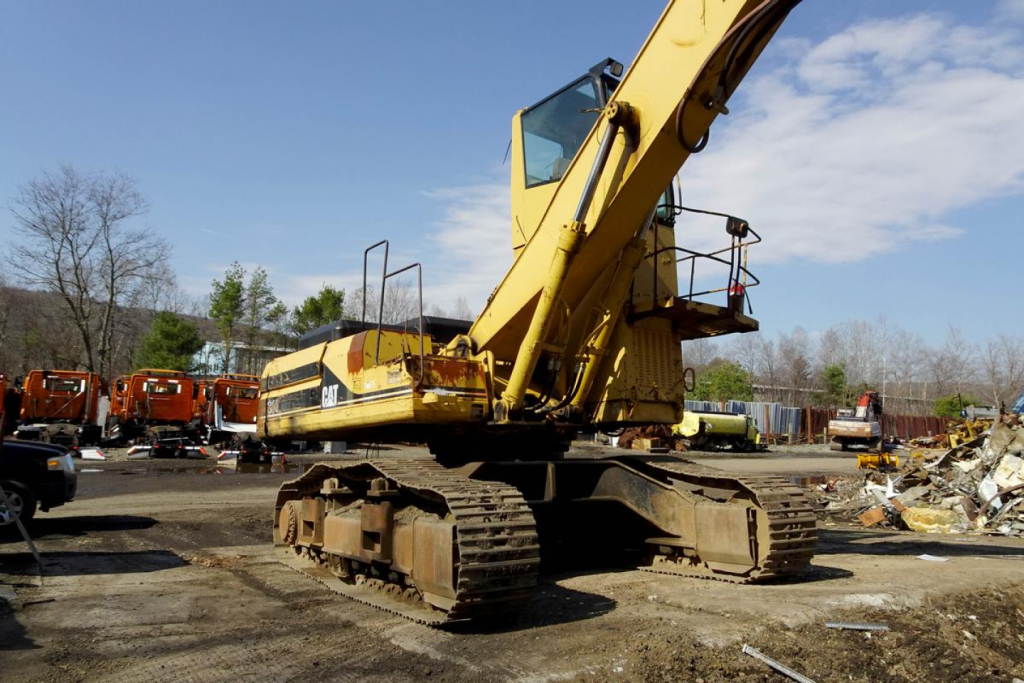
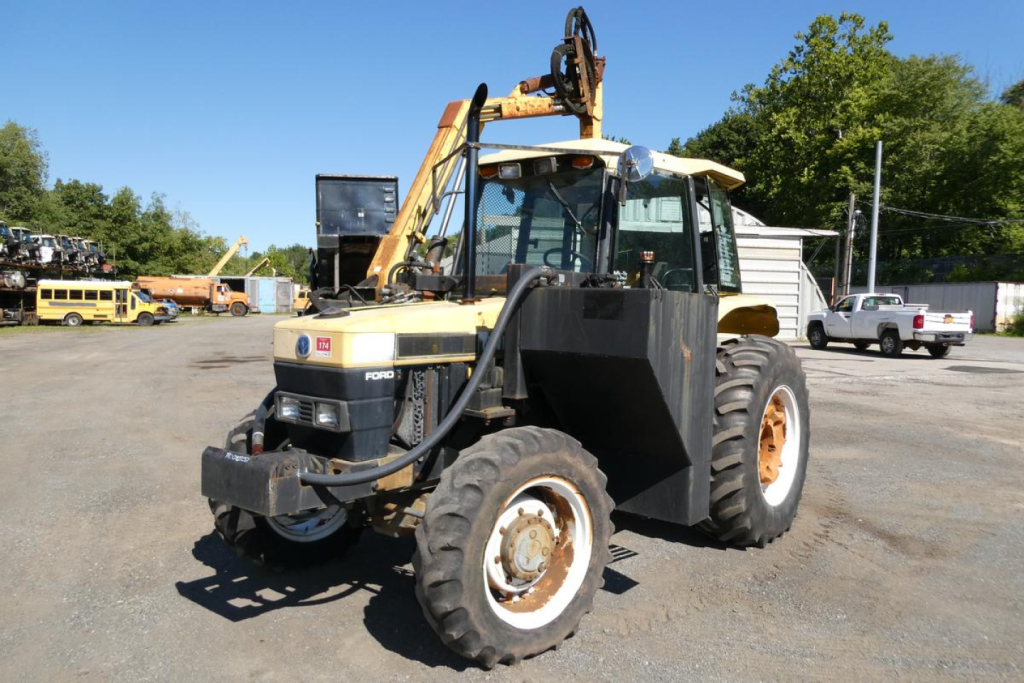
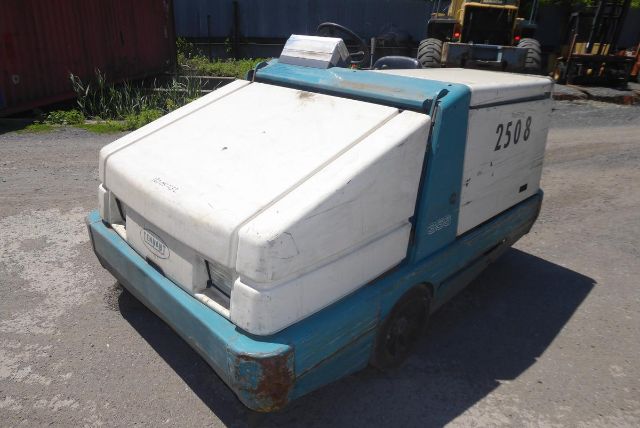
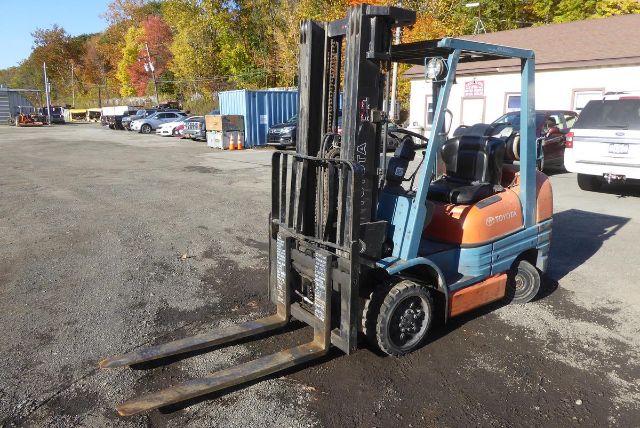
Selling a 1996 equipment? List your 1996 equipment for sale and reach thousands of commercial buyers.
1996 Equipment in New York
This model year covers a wide spread of equipment, including road tractors, straight trucks, vocational bodies, trailers, and support equipment that may fall under the broader trucking category. Specs vary widely, so buyers should focus on the fundamentals first: GVWR or GCWR, axle configuration, wheelbase, suspension type, brake setup, engine family, transmission, PTO provisions, and body or trailer dimensions. On older units, the real value is often in the configuration rather than the badge on the hood. A 1996 truck with the right wheelbase, rears, and hydraulic setup can be more useful than a newer unit that needs to be rebuilt for the job.
Condition matters more than mileage alone on 1996 equipment. Look closely at frame integrity, crossmembers, cab mounts, spring hangers, wiring repairs, air system leaks, driveline wear, and signs of corrosion from Northeast road salt. Engine history is critical on this age group. Buyers typically want to know if the truck has a mechanical or early electronic diesel, whether cold starts are clean, if blow-by is excessive, and whether the transmission shifts properly under load. On trailers and vocational equipment, inspect floor condition, kingpin area, suspension wear, brake chambers, ABS status if equipped, and evidence of prior structural repair. A clean service record and evidence of consistent upkeep can outweigh cosmetic flaws.
For buyers comparing multiple 1996 listings, the smartest approach is to match the equipment to a narrow duty cycle and budget realistically for catch-up maintenance. Tires, brakes, hydraulic hoses, batteries, lights, seals, and air lines are common immediate expenses on older commercial equipment. Parts availability can range from easy to difficult depending on make, engine, and body manufacturer, so verify support before committing. If the unit will operate in New York year-round, pay extra attention to heater function, electrical reliability, and underbody corrosion. Well-chosen 1996 trucking equipment can still deliver solid value when the spec is right, the structure is sound, and the intended use does not demand late-model technology.
Frequently Asked Questions about 1996 Equipment in New York
Is 1996 trucking equipment still practical for commercial use?
Yes, 1996 trucking equipment can still be practical when the job fits the machine. It is often best suited for local service, farm work, yard use, seasonal operations, export, or specialty applications where lower purchase price matters more than modern driver-assist features or the latest emissions systems. The key is to judge the unit by structural condition, maintenance history, and correct specifications for the work rather than by age alone.
What should I inspect first on a 1996 truck or trailer in New York?
Start with rust and structural condition. In New York, frame rails, crossmembers, cab corners, suspension mounts, brake lines, wiring, and trailer understructure deserve close attention because salt exposure can shorten service life. After that, inspect tires, brakes, steering play, air leaks, hydraulics if equipped, and engine or transmission performance during a cold start and road test. Cosmetic wear is expected, but structural corrosion and poor repairs are far more important.
Are parts harder to find for 1996 commercial equipment?
Parts availability depends on the make, engine, transmission, and body manufacturer. Common drivetrain components for widely used platforms may still be readily available through aftermarket and salvage channels, while cab parts, trim, certain electrical items, and model-specific body components can be more difficult to source. Before buying, it is smart to confirm support for major wear items and any unique vocational equipment mounted on the chassis.
Does mileage matter as much on 1996 trucking equipment?
Mileage matters, but condition and maintenance matter more on equipment of this age. A lower-mile unit that sat outside for years can be a worse buy than a higher-mile unit with documented service, drivetrain work, and a solid frame. Hour readings, PTO use, idle time, previous application, and storage history can all be just as important as odometer numbers when evaluating a 1996 truck or support unit.
What costs should I expect after buying older trucking equipment?
Most buyers should expect some immediate catch-up maintenance. Common post-purchase costs include tires, batteries, brake components, air lines, lights, seals, hoses, fluids, and suspension or steering wear items. On vocational trucks or specialized equipment, hydraulic repairs and electrical troubleshooting are also common. Budgeting for these items upfront helps you compare older listings more accurately and avoid overpaying based on purchase price alone.