
1996 Equipment For Sale
Browse 1996 trucking equipment listings including trailers, truck bodies, and support equipment. Compare specs, condition, and job fit.
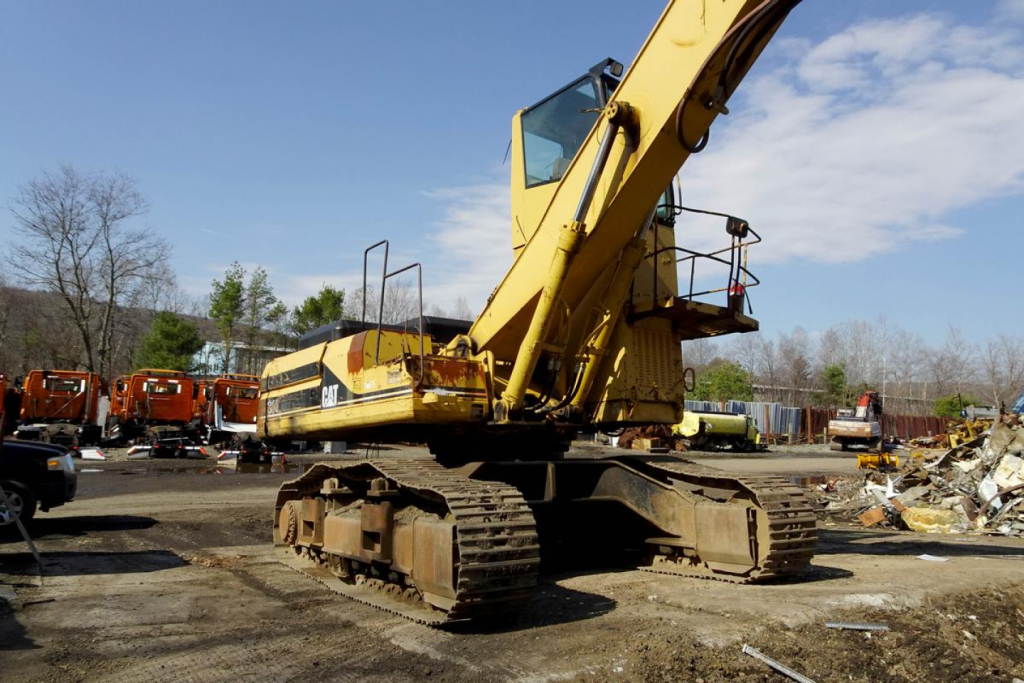
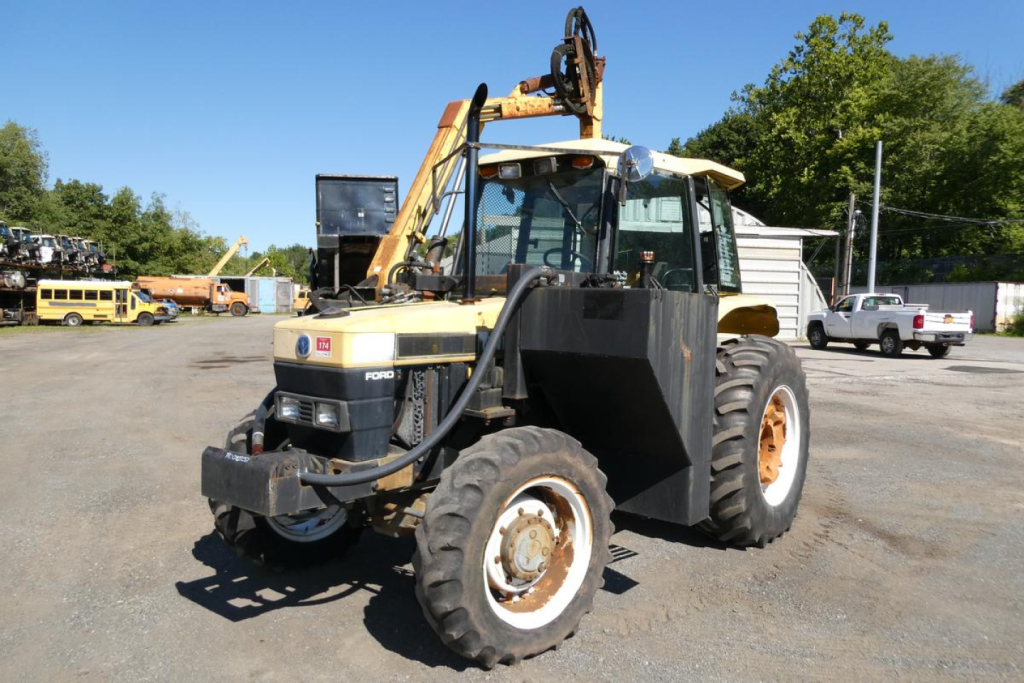
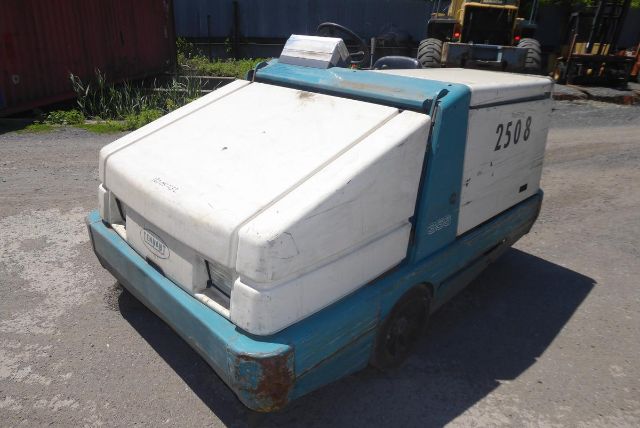
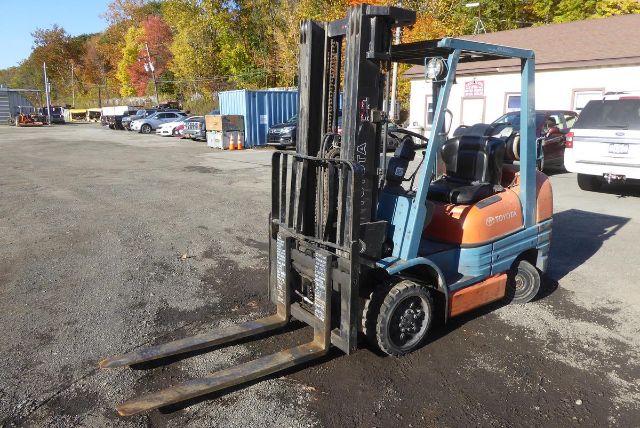
Selling a 1996 equipment? List your 1996 equipment for sale and reach thousands of commercial buyers.
1996 Equipment
For trailers and truck-mounted equipment from 1996, the first checkpoints are frame condition, crossmember rust, suspension wear, brake type, and tire age. Air-ride versus spring ride, sliding tandems, axle ratings, kingpin setting, deck height, and overall length all affect compatibility with your route and freight profile. If the equipment includes hydraulic or PTO-driven functions, inspect cylinders, hoses, pumps, valves, and reservoir condition, and verify that the system performs under load. On older units, buyers should also expect to evaluate lighting conversions, ABS status where applicable, wiring repairs, and any modifications made over the years.
Older trucking equipment is often attractive because it can be simpler to service and less expensive to put to work. That said, buyers should confirm title status, VIN or serial plate legibility, and compliance issues tied to their state, province, or end use. A 1996 trailer or support unit may be well suited for private fleet use even if it is not the right fit for high-mileage over-the-road service. If the equipment will be paired with newer tractors or trucks, check coupler height, brake connections, electrical plugs, and any needed adapter or retrofit work before purchase.
The best 1996 trucking equipment listings usually show clear evidence of upkeep: straight frame rails, even tire wear, dry hubs, clean weld repairs, functional landing gear, and complete maintenance records when available. Buyers comparing listings should focus on usable life remaining in the major components, not just price. Axles, brakes, suspension, floor condition, body integrity, and hydraulic performance will usually determine the real value of older commercial equipment more than cosmetics. In this category, a thorough inspection and a realistic plan for repairs or updates are what separate a low-cost asset from an expensive project.
Frequently Asked Questions about 1996 Equipment
Is 1996 trucking equipment still worth buying?
Yes, if the equipment has been maintained and the specification matches the job. Many 1996 trailers, bodies, and support units remain useful in farm, yard, local, and vocational applications because they are straightforward to repair and carry a lower purchase cost. The key is to evaluate structural condition, brake and suspension wear, tire age, hydraulic performance if equipped, and parts availability before making a decision.
What should I inspect first on 1996 trucking equipment?
Start with the frame, suspension, axles, brakes, tires, and any rust or weld repairs. On trailers, check crossmembers, floor condition, landing gear, kingpin area, and electrical wiring. On powered or hydraulic equipment, inspect the engine or PTO interface, hoses, cylinders, pump operation, and leaks under load. Older equipment can still perform well, but deferred maintenance is usually more expensive than the initial purchase price suggests.
Are parts still available for 1996 trucking equipment?
Parts availability depends on the make, model, and component brands used on the unit. Common wear items such as brakes, bearings, seals, lights, air valves, suspension parts, and hydraulic hoses are often still readily available through aftermarket channels. Harder-to-source items tend to be model-specific body panels, obsolete electrical modules, uncommon suspension setups, or proprietary hydraulic components, so buyers should confirm support for critical parts before purchase.
Can 1996 trucking equipment be used with newer trucks and tractors?
Often yes, but compatibility needs to be checked carefully. Buyers should verify coupler or fifth-wheel height, kingpin setting, axle spacing, brake connections, electrical plug type, and any hydraulic or PTO requirements. Older units may need wiring updates, lighting repairs, adapter harnesses, or brake system work to match newer tow vehicles. A basic compatibility review before purchase can prevent costly retrofit work later.