
1987 Equipment For Sale in New York
Browse 1987 trucking equipment for sale in New York, including trucks, trailers, forklifts, and support equipment for fleet and jobsite use.
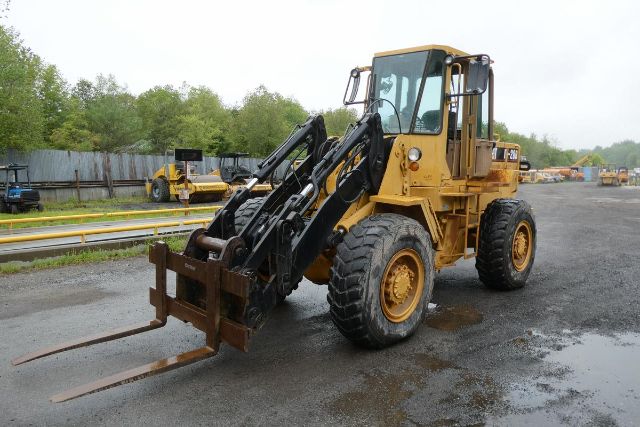
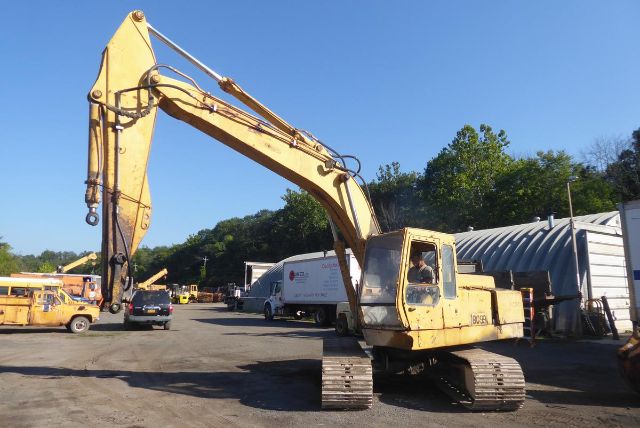
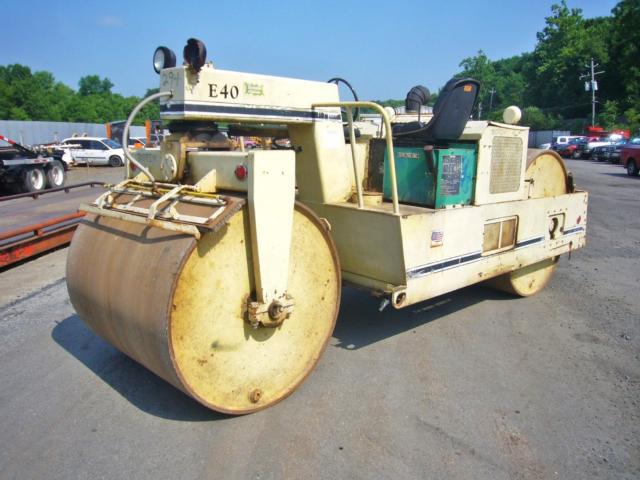
Selling a 1987 equipment? List your 1987 equipment for sale and reach thousands of commercial buyers.
1987 Equipment in New York
The right 1987 unit depends heavily on application. For highway use, buyers typically look closely at engine platform, transmission type, axle ratings, suspension, wheelbase, and any updates that improve reliability or parts support. For vocational or yard equipment, the key questions are usually hydraulic function, structural wear, and whether the machine still fits the intended workload. Older forklifts, construction support machines, and specialty trucks can still be productive assets when mast wear, lift cylinders, steering components, cooling systems, and brake function have been properly maintained. Mechanical engines and simpler electrical systems are often a plus for operators who prefer easier field service and lower diagnostic complexity.
Specification matching is critical because older equipment is less forgiving when pushed outside its design envelope. Gross vehicle weight rating, lift capacity, boom reach, fork length, trailer dimensions, or axle configuration should all line up with the work being done. Buyers should also confirm parts availability for wear items, seals, brake components, suspension pieces, and engine accessories. A clean inspection of pins, bushings, kingpins, slack adjusters, driveline components, mast rollers, and hydraulic hoses can tell you more about remaining value than paint or cosmetics. If the equipment will run in urban New York, overall width, turning radius, cold-start behavior, and ease of loading or staging may matter as much as raw capacity.
A 1987 piece of trucking equipment can still make sense when purchase price, maintenance budget, and expected annual utilization are in balance. Many buyers target this age range for seasonal work, backup duty, farm use, export, salvageable components, or specialized tasks where emissions complexity is not needed. The best candidates usually show consistent upkeep, dry mechanical systems, straightforward controls, and specifications that are easy to support with available labor and replacement parts. When comparing listings, prioritize documented repairs, undercarriage and frame condition, operating hours where applicable, and signs that the equipment has been worked within its intended capacity.
Frequently Asked Questions about 1987 Equipment in New York
What should I inspect first on 1987 trucking equipment in New York?
Start with rust and structural condition. New York operating environments can be hard on frames, cab mounts, trailer crossmembers, suspension hangers, brake lines, electrical connectors, and hydraulic fittings. After that, inspect the powertrain or hydraulic system for leaks, confirm cold-start behavior, and look for uneven tire wear, brake issues, steering play, and signs of overloading or poor repairs. On older equipment, structural integrity and maintenance history usually matter more than appearance.
Is 1987 trucking equipment still practical for commercial use?
It can be, but it depends on the job and the support plan behind it. Older equipment is often best suited for backup service, yard work, seasonal use, agricultural operations, export, or niche applications where lower acquisition cost is more important than daily high-mile utilization. Buyers should verify that parts are still obtainable and that the unit's capacity, axle ratings, and operating condition match the intended workload. Simpler mechanical systems can be an advantage if your shop prefers straightforward repairs.
How do I evaluate value on a 1987 truck, trailer, or forklift?
Judge value by usable condition, not age alone. A well-maintained 1987 machine with documented repairs, solid structural components, and good mechanical performance may offer more value than a newer but neglected unit. Look at engine health, transmission operation, brake condition, hydraulic cylinder dryness, mast or boom wear, tire condition, and evidence of frame or weld repairs. Parts support and the cost to bring the equipment up to your operating standard should be built into any buying decision.
What specs matter most when comparing older trucking equipment?
The important specs depend on the equipment type, but the main priority is matching the machine to the work. For trucks and trailers, focus on GVWR, axle configuration, wheelbase, engine and transmission setup, suspension, and brake system type. For forklifts and material handling equipment, capacity, lift height, mast type, fork length, overall width, turning radius, and fuel type are key. On older units, a correct spec for the job is especially important because running beyond design limits tends to expose wear quickly.
Are older mechanical units easier to own than newer electronically controlled equipment?
In many cases, yes. Older mechanical engines and simpler electrical systems can be easier for independent operators and smaller shops to diagnose and repair without specialized software. That said, age brings its own challenges, including worn wiring, obsolete components, seal failures, and variable parts availability. Ease of ownership depends on the specific make, model, and how well the equipment was maintained over time. The best older units are usually those with common driveline components and a clear history of service and repair.