
1987 Equipment For Sale
Browse 1987 trucking equipment for sale, including trailers, bodies, and support gear. Compare specs, condition, dimensions, and applications.
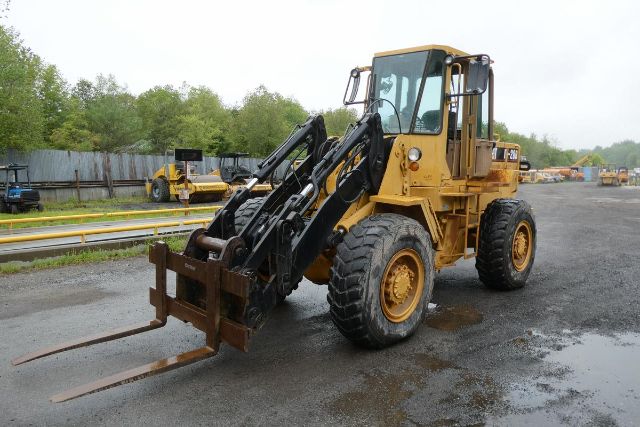
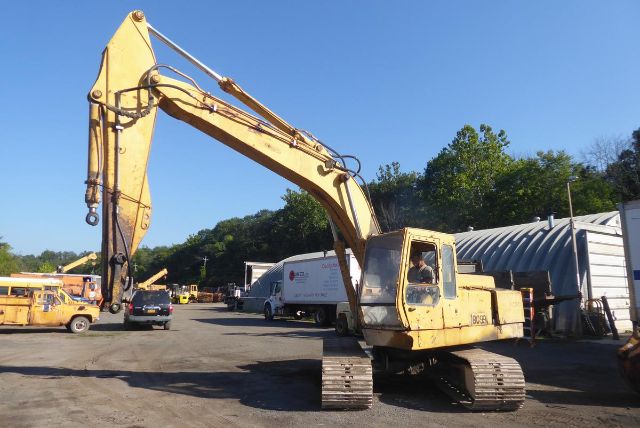
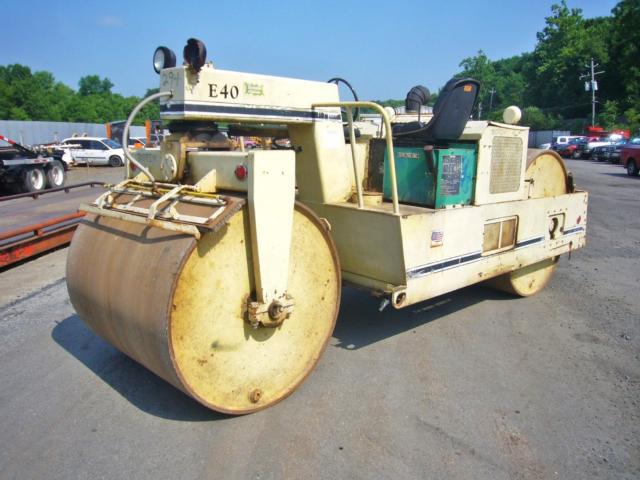
Selling a 1987 equipment? List your 1987 equipment for sale and reach thousands of commercial buyers.
1987 Equipment
Frequently Asked Questions about 1987 Equipment
What should I inspect first on 1987 trucking equipment?
Start with the structure and running gear. On older trucking equipment, buyers should closely inspect the frame rails, crossmembers, suspension mounting points, brake system, wheel ends, electrical wiring, hydraulic hoses and cylinders, and any visible corrosion or cracking. If the equipment has a body or trailer deck, check for soft spots, patchwork, uneven wear, and evidence of overloading. Mechanical simplicity is often a benefit on 1987 equipment, but deferred maintenance can quickly offset the lower purchase price.
Is 1987 trucking equipment still practical for commercial use?
It can be, depending on the equipment type, operating environment, and local compliance requirements. Many older trailers, bodies, and support units remain productive in agricultural, municipal, private fleet, and low-mileage applications where buyers value durability and lower acquisition cost. The key is verifying serviceability, brake and lighting compliance, tire condition, and the availability of replacement parts. For heavy daily commercial use, buyers usually weigh the lower upfront cost against expected maintenance time and downtime risk.
How do I evaluate value on older trucking equipment?
Value comes from condition, specification, and remaining service life, not just age. A 1987 unit with sound structure, usable tires, functional brakes, solid floors or decks, and documented repairs can be worth more than a newer but neglected piece of equipment. Compare dimensions, axle ratings, suspension type, hydraulic setup, body material, and overall road-readiness. If major reconditioning is needed, factor in labor, hard-to-find parts, and transport costs before making a decision.
Are parts harder to find for 1987 trucking equipment?
Parts availability depends heavily on the manufacturer and the component brand names used on the equipment. Standard items such as lights, brake chambers, slack adjusters, bearings, seals, air valves, hydraulic hoses, and suspension wear parts are often still obtainable through aftermarket suppliers. Proprietary body hardware, obsolete electrical components, and certain hydraulic control parts can be more difficult to source. Buyers should identify axle, suspension, brake, and hydraulic component tags early in the evaluation process.
What types of buyers usually consider 1987 trucking equipment?
Older trucking equipment often appeals to cost-conscious buyers who need utility more than late-model features. Common buyers include farms, salvage operations, small contractors, owner-operators, municipal departments, and fleets looking for seasonal or backup equipment. These buyers typically prioritize straightforward repairs, lower capital cost, and equipment that can handle occasional or specialized work without the expense of a newer unit.