
Used Walker Trailers For Sale
Browse used Walker trailers, including stainless steel tank trailers known for durable construction, liquid hauling performance, and serviceability.
No exact matches found for your search
Showing Used Trailers instead.
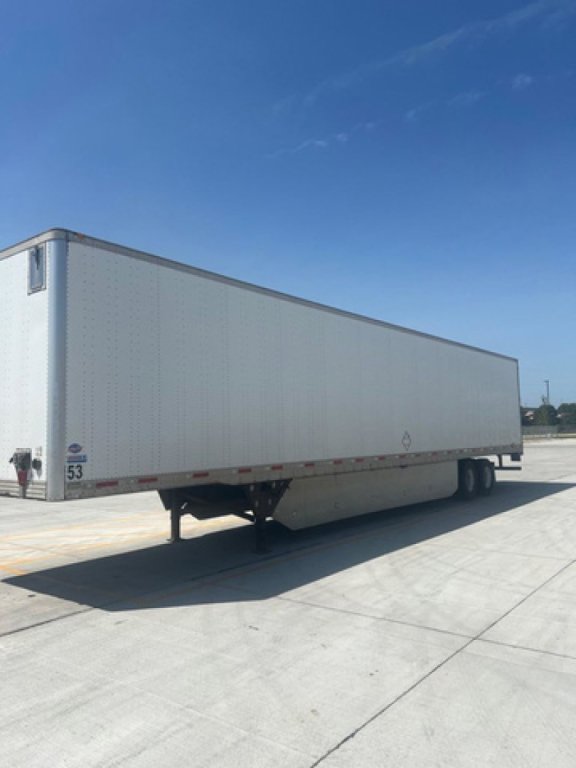
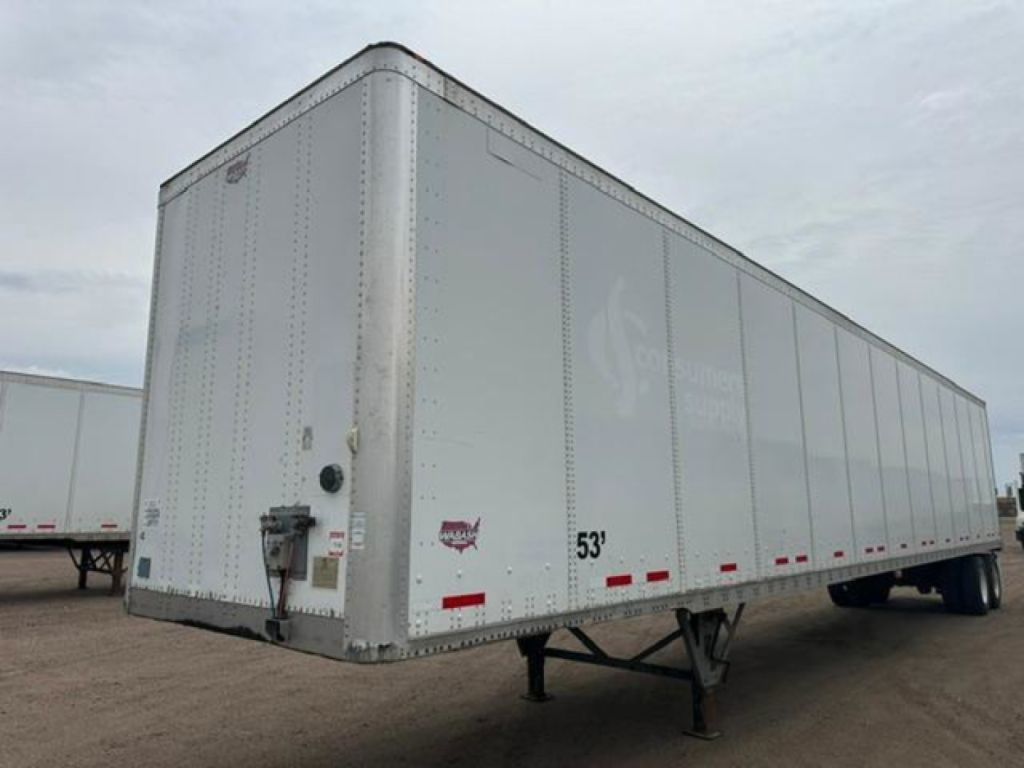
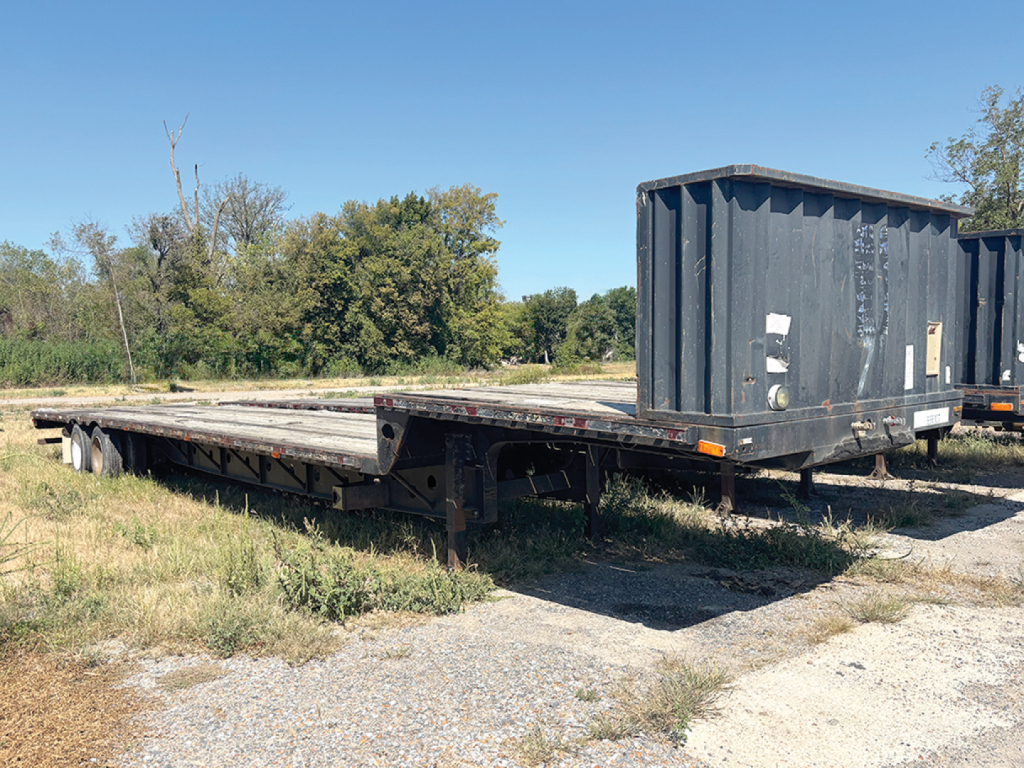
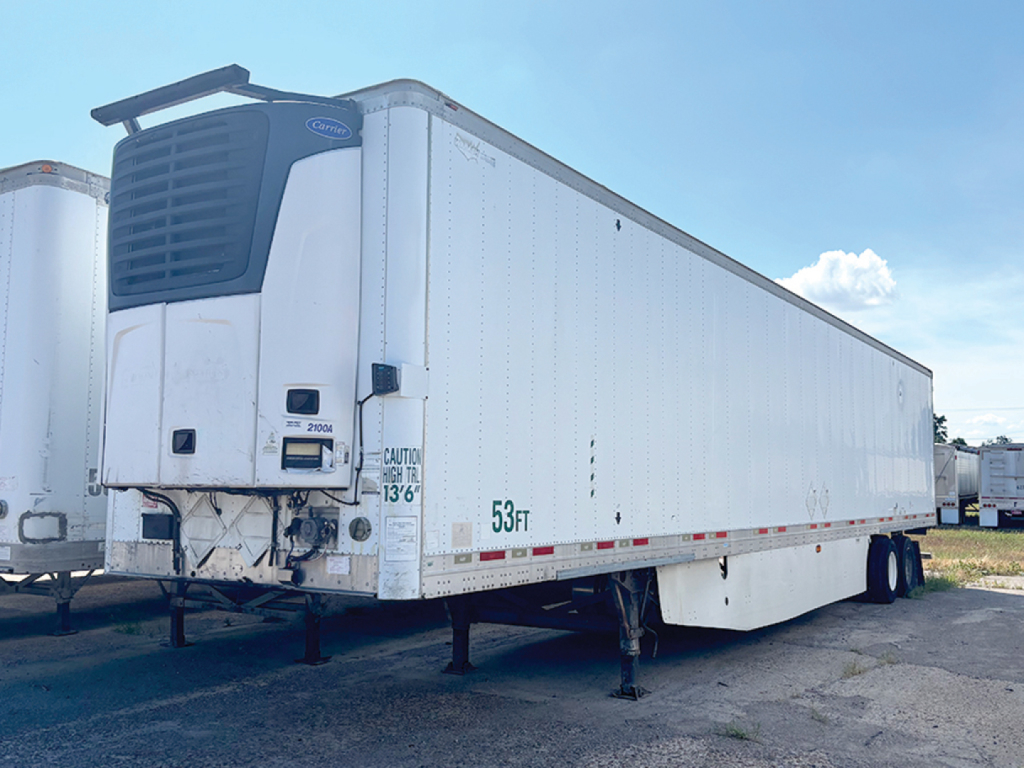
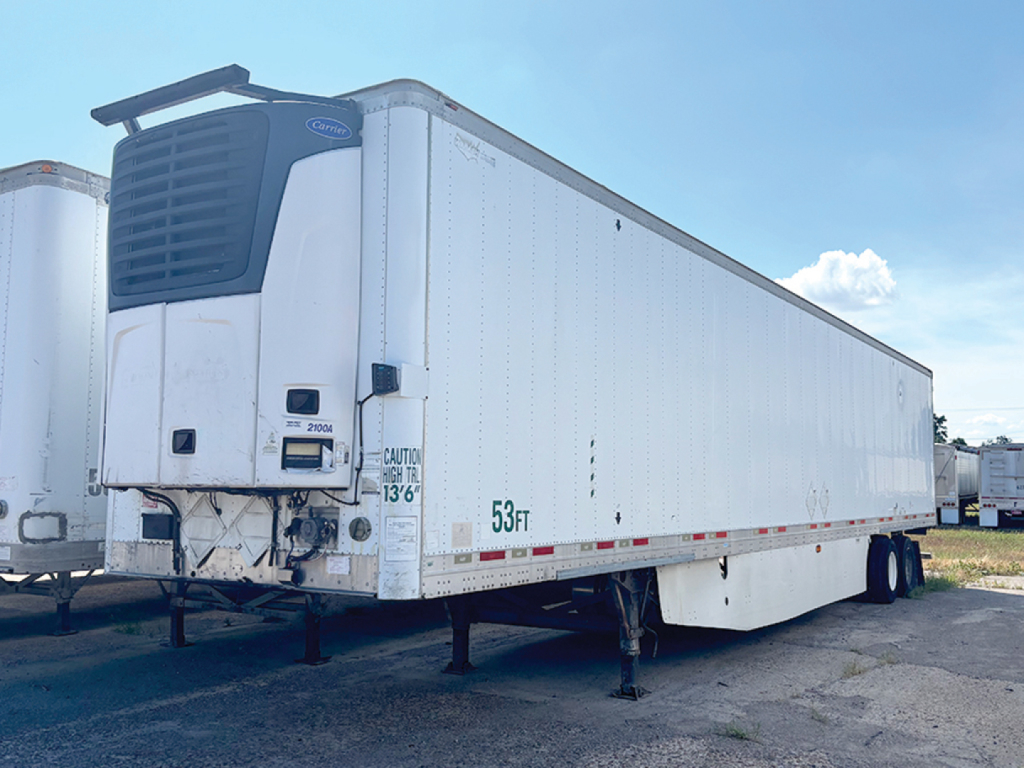
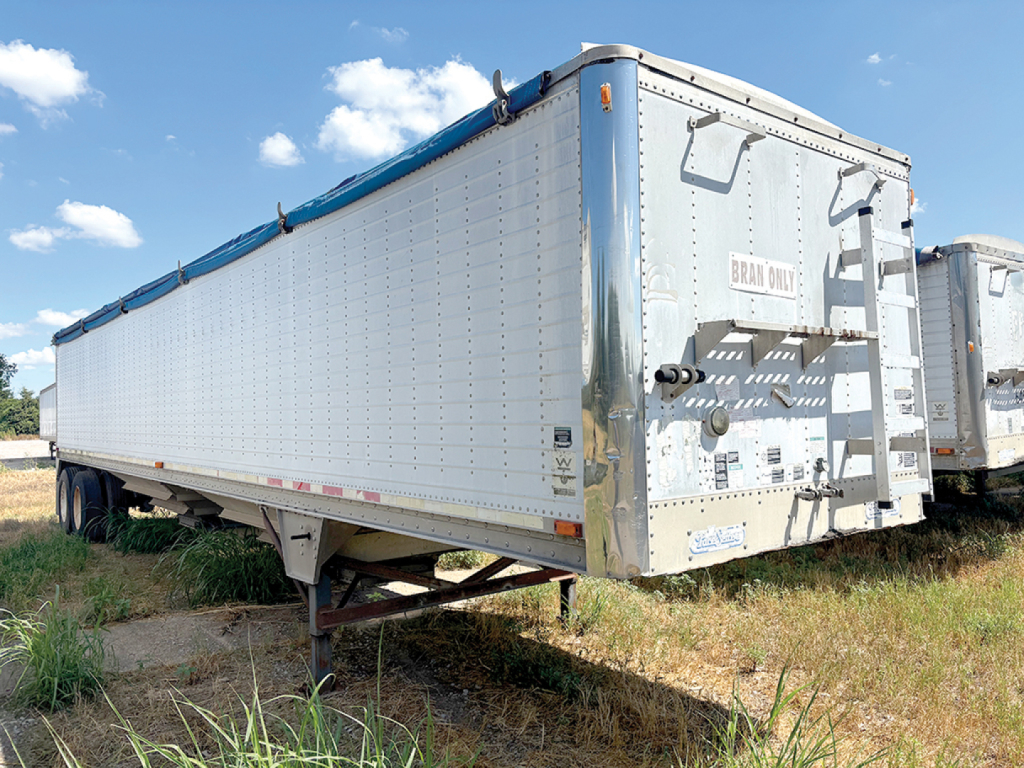
Showing 1 to 12 of 1,465 results
Have used walker trailer to sell? List it here to reach thousands of buyers.
Used Walker Trailers
For a buyer comparing used Walker trailers, the first decision is usually product compatibility. Stainless steel barrels are common because they resist corrosion and support a wide range of commodities, but the trailer's actual suitability depends on prior service, compartment design, discharge configuration, and internal condition. Single-compartment tanks are common on older units and simplify cleaning and unloading, while rear discharge plumbing with 3-inch stainless piping remains a standard setup for many liquid operations. Manhole count, cabinet storage, fender material, and valve accessibility all affect day-to-day usability, especially if the trailer will be turned quickly between loads.
Suspension and running gear deserve close attention on any used Walker tanker. Older listings often show both spring suspension and air ride suspension, and that difference matters depending on the commodity and route profile. Air ride is generally preferred for ride quality and cargo protection, while spring ride can be simpler and familiar in certain fleets. Tire size, wheel type, brake condition, and axle specification should be reviewed along with barrel mounts, subframe condition, kingpin area, and signs of stress cracking around suspension hangers. On a tank trailer, service records and a current inspection matter just as much as visual appearance because product pumps, valves, seals, and piping can quickly affect operating cost.
A used Walker trailer can be a strong value when the specification matches the freight. Buyers should confirm gallon capacity, tare weight, DOT and HM compliance if applicable, washout history, and whether the unit is set up for food-grade, chemical, or non-hazardous liquid service. It is also smart to verify barrel material, thickness if documented, and any evidence of prior repairs. For fleets and owner-operators alike, the best used Walker tank trailer is not simply the newest one. It is the one with the right commodity history, clean plumbing, sound structure, and a configuration that fits the loading racks, pumps, and unloading procedures already used in the operation.
Frequently Asked Questions about Used Walker Trailers
What are used Walker trailers most commonly used for?
Used Walker trailers are most commonly found as tank trailers for hauling bulk liquids. Depending on how they were originally spec'd, they may be used in food-grade service, chemical hauling, milk transport, or general non-hazardous liquid applications. The exact use depends on the barrel material, compartment setup, plumbing configuration, and prior commodity history, so buyers should match the trailer's specification and service record to the product they intend to haul.
What should I inspect first on a used Walker stainless steel tanker?
Start with the barrel, the discharge system, and the trailer's service history. Inspect the stainless barrel for repairs, dents, corrosion around fittings, and signs of internal contamination or neglect. Then review valves, seals, discharge piping, manholes, and hose storage areas for wear or leakage. After that, move to the chassis, kingpin area, suspension, brakes, and axle alignment, because structural and running gear issues can turn an otherwise usable tanker into an expensive reconditioning project.
Is air ride better than spring suspension on a used Walker tank trailer?
Air ride is often preferred because it improves ride quality and can reduce shock transfer to the cargo and trailer structure, which is useful in liquid service. Spring suspension may still be acceptable for certain operations and can be simpler to maintain, but it generally delivers a harsher ride. The better choice depends on route conditions, commodity sensitivity, fleet maintenance practices, and what parts support is already in place for the operation.
How important is compartment count on a used Walker tanker?
Compartment count directly affects loading flexibility, product segregation, cleaning time, and weight distribution. A single-compartment tanker is simpler and common in many older Walker trailers, making it practical for single-product runs and easier washouts. Multi-compartment tanks add flexibility for split loads or multiple products, but they also add complexity in plumbing, valves, and cleaning procedures. Buyers should choose compartment layout based on freight mix rather than assuming more compartments are always better.
Can an older used Walker trailer still be a good buy?
Yes, an older used Walker trailer can still be a good buy if the barrel, frame, suspension, and plumbing are in sound condition and the trailer's prior service matches the intended application. In tank trailers, condition and specification often matter more than age alone. A well-maintained older stainless tanker with clean documentation, compliant equipment, and solid structural integrity can be a better operational fit than a newer unit with the wrong configuration or a questionable maintenance history.