
Used Wabash Van Trailers For Sale in Michigan
Browse used Wabash van trailers in Michigan. Compare dry van specs, dimensions, door types, flooring, and road-ready freight options.
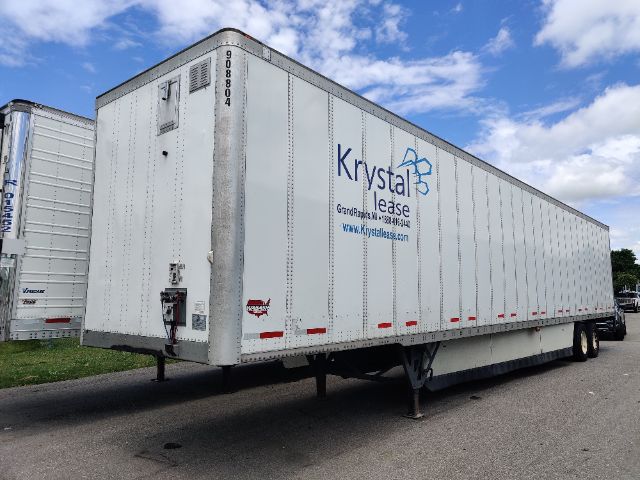
Have used wabash van trailer to sell? List it here to reach thousands of buyers.
Used Wabash Van Trailers in Michigan
The first specs to check are trailer length, height, axle setup, door opening, and tare weight. Most buyers will be looking at 53-foot trailers, though overall configuration still matters for payload planning and route compliance. Common details include swing doors, logistics posts, hardwood flooring, aluminum roof construction, and scuff liners that help protect the sidewalls from forklift and pallet contact. Roof condition, floor wear, rear frame integrity, and door seal performance are especially important on a used van trailer. If the trailer will spend time in high-cycle dock service, look closely at the threshold, hinges, ICC bumper, and crossmember condition. Tire condition, brake life, ABS function, and suspension wear also deserve attention before a trailer goes into revenue service.
Wabash trailers are often selected for their broad parts support and familiarity across independent shops and fleet maintenance programs. Buyers comparing used Wabash van trailers in Michigan should also think about corrosion exposure from winter road treatment, especially around the rear frame, landing gear mounts, crossmembers, and electrical connections. Trailer age alone does not tell the full story. Maintenance records, prior application, loading discipline, and accident history usually matter more than model year when you are judging remaining service life. A well-kept dry van that has seen consistent linehaul freight can be a better value than a newer trailer that spent years in hard urban dock work.
For freight planning, a used Wabash van trailer is best suited to non-temperature-controlled cargo that needs clean, enclosed transport. That includes boxed freight, consumer products, paper goods, building materials that need weather protection, and many palletized shipper loads. Buyers should confirm interior width and height against the freight they intend to haul, especially if cube-out is more likely than weight-out. If trailer utilization includes drop-and-hook operations, pay close attention to landing gear operation, kingpin wear, and frame condition around the upper coupler. A strong used van trailer should balance structural integrity, low operating cost, and compatibility with the freight profile you run every week.
Frequently Asked Questions about Used Wabash Van Trailers in Michigan
What should I inspect first on a used Wabash van trailer?
Start with the structure and the freight-contact areas. Check the floor for rot, soft spots, patchwork, and forklift damage. Inspect crossmembers, sidewalls, scuff liners, roof bows, rear frame, and door hardware for signs of impact or fatigue. Then move to running gear, including brakes, tires, hubs, suspension components, landing gear, and ABS. On a Michigan trailer, corrosion around the rear, undercarriage, and electrical system deserves extra attention because winter road salt can shorten component life.
Are Wabash dry van trailers good for general freight service?
Yes. Wabash dry van trailers are widely used in general freight because they offer a standard enclosed trailer format that works with most docks, palletized cargo, and common shipper requirements. They are a practical choice for retail freight, packaged goods, automotive-related freight, paper products, and other dry commodities that need weather protection but not refrigeration. Their broad acceptance in the market also helps with resale and serviceability.
What size and configuration is most common for a used van trailer?
The most common configuration is a 53-foot dry van with tandem axles. Buyers typically compare interior cube, tare weight, rear door opening, floor type, and suspension setup. Swing doors are common, and many trailers include logistics posts and scuff liners for freight securement and wall protection. Exact specifications can vary by build, so buyers should confirm dimensions and axle ratings against their planned freight and operating area.
Does Michigan climate affect used van trailer buying decisions?
Yes. Michigan conditions make underbody inspection more important than in many other markets. Freeze-thaw cycles, road salt, and heavy seasonal moisture can accelerate corrosion on crossmembers, landing gear, light wiring, brake components, and rear frame sections. Buyers should inspect for rust scale, repairs, cracked coatings, and seized hardware, and they should verify that doors still seal properly during wet and cold-weather operation.
How do I know if a used dry van trailer fits my operation?
Match the trailer to your freight, loading method, and lane profile. If your freight is palletized, dock-loaded, and does not require temperature control, a dry van is usually the baseline trailer choice. Confirm that the interior dimensions fit your cargo stack pattern, that the floor can handle your forklift traffic, and that the trailer's weight and condition support your payload goals. For drop-and-hook work, also make sure the landing gear, kingpin area, and suspension are ready for repeated coupling cycles.