
Used Utility Reefer Trailers For Sale in Georgia
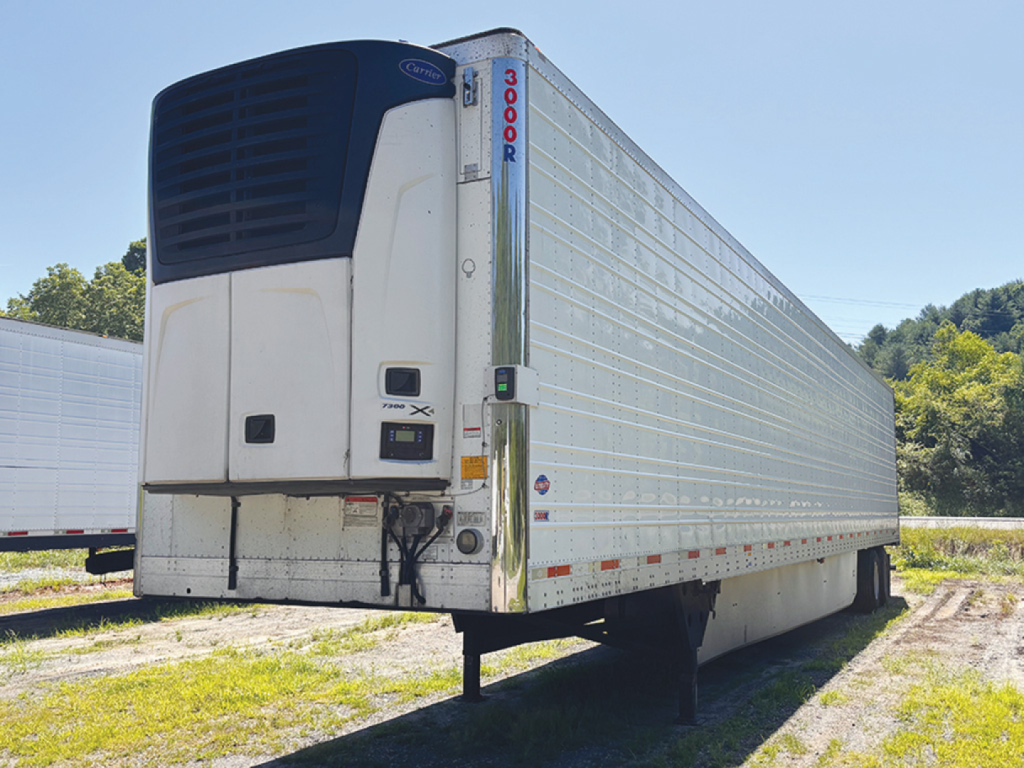
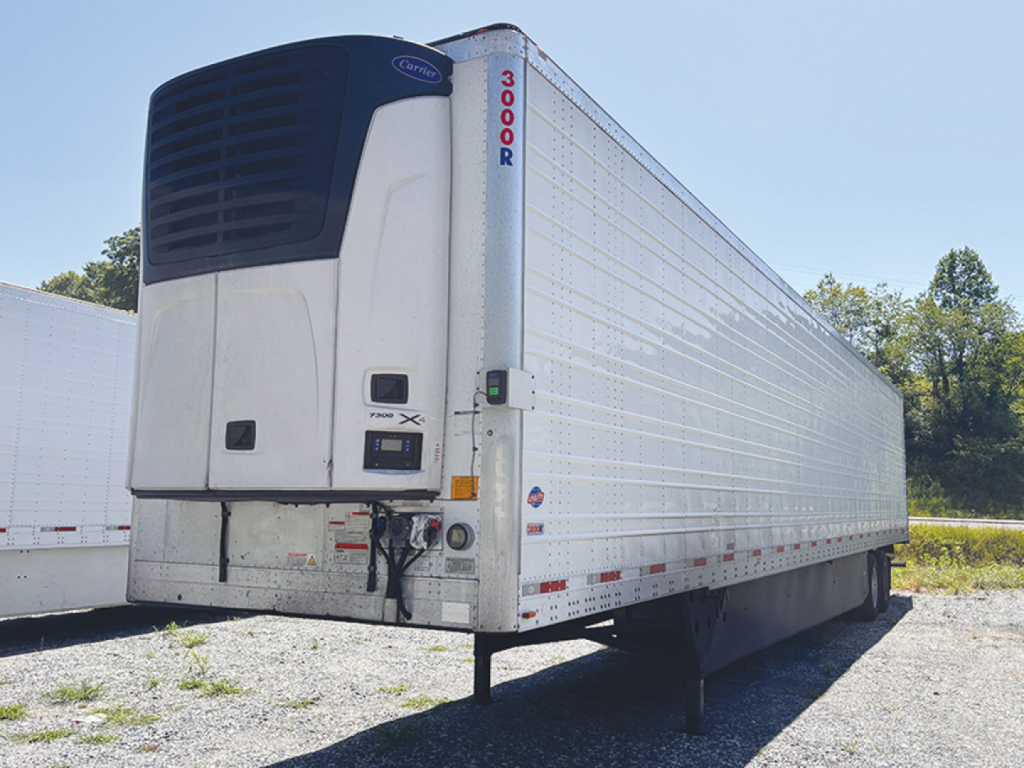
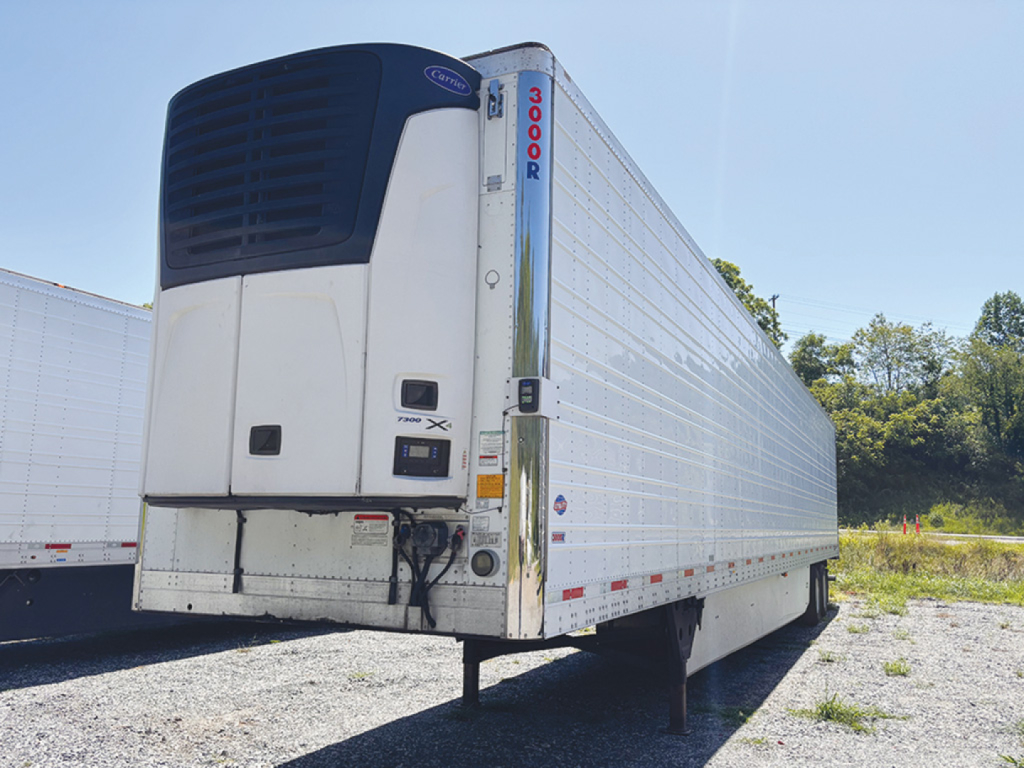
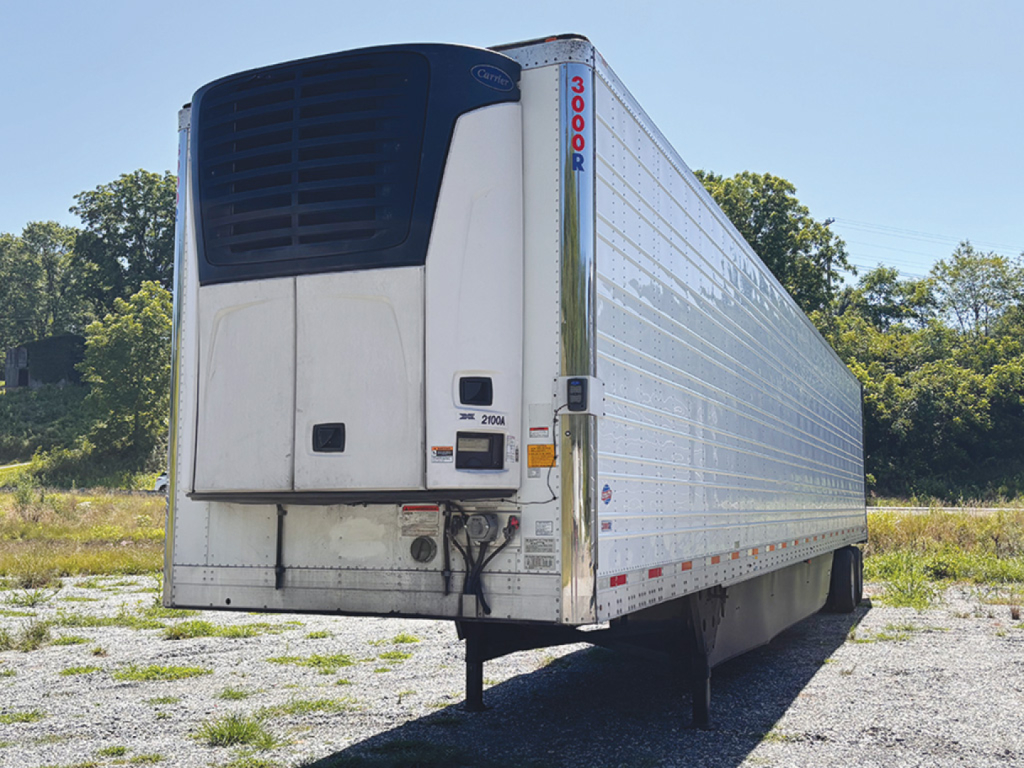

Have used utility reefer trailer to sell? List it here to reach thousands of buyers.
Used Utility Reefer Trailers in Georgia
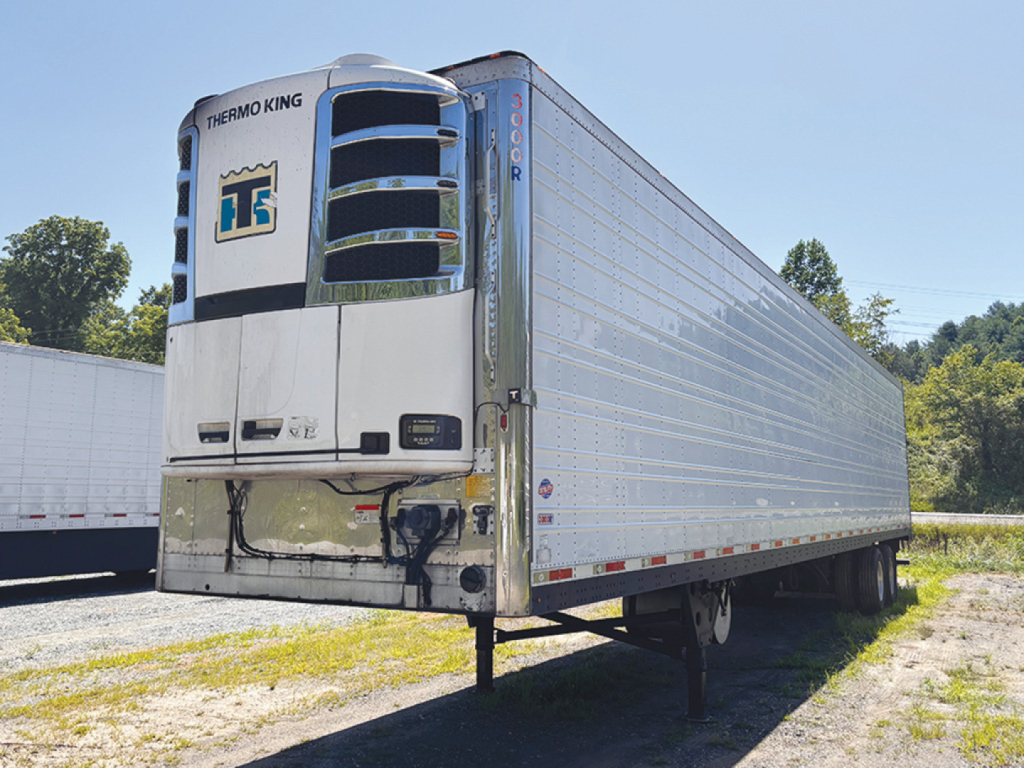
The reefer unit matters as much as the trailer body. Used Utility reefers are commonly paired with Carrier or Thermo King units, including high-volume multi-temp-capable platforms and standard single-temp road units. Buyers should look closely at engine hours, electric standby if equipped, service records, fuel system condition, and the unit’s ability to pull down and hold setpoint under load. Interior configuration also affects performance. Heavy-duty aluminum duct floors, cold chutes, rear vents, and scuff plates help maintain airflow and protect the liner during repeated pallet loading. Stainless steel front radius panels, door frames, and rear hardware are worth noting because they hold up better against corrosion and daily dock contact.
Body condition is critical on any used refrigerated trailer because insulation performance depends on the structure staying tight. Check the roof, sidewalls, front wall, door seals, and floor-to-wall joints for repairs, moisture intrusion, or signs of delamination. On Utility reefers, buyers often focus on the condition of the swing doors, the rear frame, and the floor around high-wear traffic areas. Tire inflation systems, low-profile 22.5 tires, and aluminum wheels can reduce operating cost and improve uptime, but they should not distract from a thorough inspection of the reefer unit, suspension, brakes, and wiring. Sliding tandem operation and kingpin area condition also deserve attention, especially if the trailer has spent time in high-mile regional service.
For Georgia fleets, reefer trailer spec can be influenced by heat, humidity, and heavy distribution traffic around Atlanta, Savannah, Macon, and the I-75 and I-85 corridors. Side skirts may improve fuel economy on longer highway runs. A wedge-style or aerodynamic nose can also help efficiency, though buyers should balance that against dock compatibility and repair considerations. The best used Utility reefer trailer is usually the one with verified maintenance history, a clean and dry insulated body, solid floor and door condition, and a reefer unit that has been regularly serviced rather than deferred. When comparing listings, focus on unit hours, trailer age, floor type, interior protection, and the overall integrity of the insulated box before putting too much weight on appearance alone.
Frequently Asked Questions about Used Utility Reefer Trailers in Georgia
What should I inspect first on a used Utility reefer trailer?
Start with the insulated body and the refrigeration unit. Check the roof, walls, doors, seals, and floor for leaks, impact damage, soft spots, or evidence of prior structural repair. Then review reefer unit hours, maintenance records, operating performance, and whether the unit can pull down to temperature quickly and hold setpoint consistently. A clean exterior matters less than a dry box, tight doors, and a reefer unit with documented service history.
Are Utility 3000R reefer trailers good for food and grocery freight?
Yes. The Utility 3000R is a widely used refrigerated trailer for foodservice, grocery distribution, produce, dairy, frozen freight, and other temperature-sensitive cargo. Common features such as aluminum duct floors, cold chutes, scuff protection, air ride suspension, and sliding tandems make the platform practical for both regional and over-the-road work. Buyers should still match the reefer unit capacity and interior configuration to the commodities they plan to haul.
Which is more important on a used reefer trailer, the trailer body or the reefer unit?
Both matter, but the trailer body is often more expensive to correct if insulation integrity is compromised. A reefer unit can be repaired or overhauled, but water intrusion, delamination, floor damage, and poor door sealing can permanently affect temperature retention and cargo protection. The best purchase is a trailer with a structurally sound insulated box and a reefer unit that has clear service documentation and acceptable hours for its age.
What reefer unit brands are commonly found on used Utility trailers?
Carrier and Thermo King are the most common brands found on used Utility reefer trailers. Models vary by year and application, but both brands are broadly supported in the market and familiar to most fleet maintenance programs. Buyers should compare unit hours, maintenance intervals, alarm history, fuel consumption, and local service availability in Georgia before choosing between otherwise similar trailers.
Why do features like duct floors, rear vents, and tire inflation systems matter on a reefer trailer?
These features affect daily operating performance and long-term cost. A duct floor helps move cold air under the load, which improves temperature consistency and reduces hot spots. Rear vents and cold chutes support proper airflow through the trailer. A tire inflation system helps maintain correct tire pressure, which can reduce irregular wear, improve fuel economy, and limit roadside downtime. On a used reefer, these details can make a meaningful difference in cargo protection and maintenance expense.