
Used Equipment For Sale in California
Browse used trucking equipment in California, including specialty trucks, vocational bodies, and support units for fleet, farm, and jobsite work.
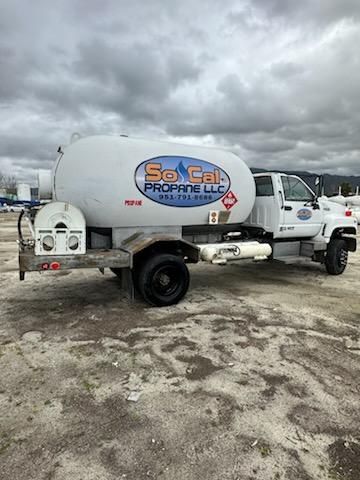
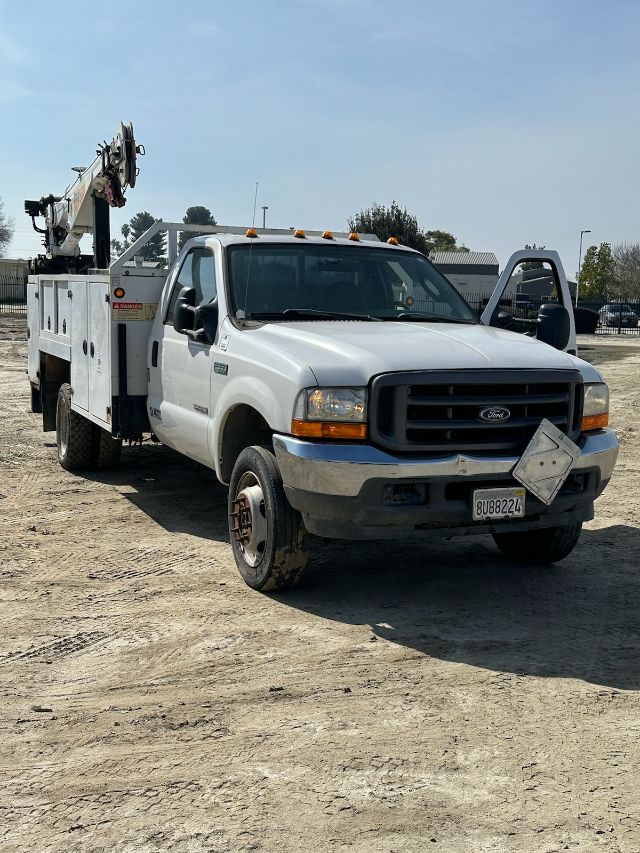
Have used equipment to sell? List it here to reach thousands of buyers.
Used Equipment in California
For buyers comparing used trucking equipment for sale in California, chassis class and body integration matter first. Medium-duty platforms such as Ford F-550, Chevrolet Kodiak, and similar Class 5 through Class 7 trucks are common because they can support utility bodies, lifts, tanks, compressors, welders, and other vocational upfits without the operating cost of a full heavy-duty truck. If the unit includes a tank, boom, crane, or other mounted system, inspect both the truck and the equipment as separate assets. Capacity ratings, pressure ratings, PTO operation, hydraulic condition, wiring integrity, certification status, and frame modifications all affect usable value. On older units, parts support and upfit serviceability can be just as important as engine condition.
California buyers also need to pay attention to emissions compliance, registration class, and operating region. A used specialty truck may be mechanically sound but still limited by CARB rules, local permitting, or jobsite safety requirements. If the equipment is intended for municipal, utility, or refinery work, confirm current inspection status, safety equipment, and any required documentation for the mounted apparatus. Tire condition, brake type, axle ratings, wheelbase, and cab-to-axle dimensions should be reviewed alongside body dimensions and weight distribution. Trucks with uncommon tank specs, aerial devices, or custom bodies deserve a closer look at maintenance records because replacement components can be expensive and lead times can be long.
The best used trucking equipment listings usually give enough detail to evaluate the actual work role of the unit. Buyers should look for clear information on engine and transmission pairing, GVWR, PTO setup, hydraulic performance, body manufacturer, and any recent refurbishment or major component replacement. A freshly replaced engine can add value, but the rest of the driveline, suspension, and mounted equipment still need to be assessed in context. For specialty applications, the right used truck is the one that reduces adaptation cost and goes to work with minimal reconfiguration.
Frequently Asked Questions about Used Equipment in California
What counts as trucking equipment on a used equipment marketplace?
Trucking equipment is a broad category that usually includes specialty trucks and vocational units that fall outside standard sleeper tractors, day cabs, dry vans, or flatbeds. Examples include aerial lift trucks, tank units, service trucks, utility bodies, municipal equipment, and custom vocational chassis. These units are typically purchased for a specific job function, so body type, mounted equipment, and work capacity are often more important than the truck year alone.
What should I inspect first on used specialty trucking equipment?
Start with the chassis, the mounted equipment, and the interface between them. Check engine, transmission, brakes, frame condition, axle ratings, and signs of overloading or poor repairs. Then inspect the upfit itself, including hydraulics, PTO operation, tanks, booms, control systems, wiring, and safety devices. If the truck has a custom or older body, confirm parts availability and service support before purchase.
Are older used vocational trucks still worth buying?
Yes, if the configuration is right and the truck has been maintained properly. Many older vocational trucks have lower annual miles and were kept for seasonal, municipal, or site-specific work. Their value depends on mechanical condition, structural integrity, and the usefulness of the mounted equipment. An older truck with a solid frame, functional PTO system, and documented repairs can still be a practical purchase if it fits the application and complies with local operating requirements.
Why is California compliance important when buying used trucking equipment?
California can impose stricter operating and emissions requirements than many other states, especially for diesel trucks and commercial fleets. A used unit may be capable mechanically but still face restrictions based on engine model year, registration, or local air-quality rules. Buyers should confirm CARB-related compliance, title and registration status, and any inspection requirements tied to the equipment type before making a final decision.
How do I compare value between two very different used trucking equipment units?
Compare them based on job readiness, not just price. Look at chassis class, payload or equipment capacity, body condition, recent repairs, remaining service life, and how much rework is needed to put the unit into operation. Specialty equipment often carries hidden costs in hydraulic repairs, certification updates, and custom fabrication. The better value is usually the truck that fits the intended work with the least downtime and modification.