
Used Trail King Lowboy Trailers For Sale in Kentucky
Shop used Trail King lowboy trailers for sale. Compare deck length, axle setup, capacity, detachable neck options, and heavy haul specs.
Learn more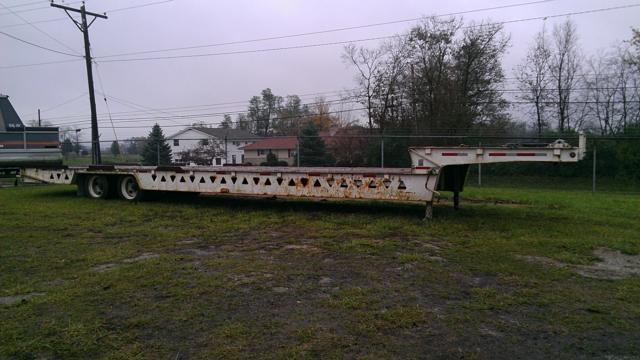
Have used trail king lowboy trailer to sell? List it here to reach thousands of buyers.
About Used Trail King Lowboy Trailers in Kentucky
Capacity and deck configuration should drive the buying decision first. Used Trail King lowboys can be found in different ton ratings, deck lengths, axle groupings, and neck styles, including detachable gooseneck designs that make loading easier for tracked and wheeled machinery. Mechanical and hydraulic detachable necks each have their place depending on loading frequency and fleet preference. Pay close attention to loaded deck height, ground clearance, swing clearance, concentrated load rating, and the condition of the main frame in the deck and transition areas. On older units, buyers should inspect for repairs, neck fit, cracked welds, suspension wear, and axle alignment, especially if the trailer has spent years in severe-duty service.
A Kentucky buyer may also want to think carefully about route permits, bridge formulas, and axle spacing before choosing a used lowboy. Lowboy compliance is not just about gross capacity on paper. It is also about how the load is distributed across the trailer and how easily the trailer can be permitted for the type of freight being hauled. Common specs that matter in this category include overall deck length, well length, loaded deck height, number of axles, tire size, suspension type, outriggers, apitong or hardwood flooring, and ramp or neck style. Features like ride-height control, flip axles, jeep compatibility, bucket wells, and D-ring placement can make a major difference in day-to-day usability.
Trail King lowboys are often chosen by contractors and specialized haulers that need a trailer rugged enough for repeated loading cycles and rough jobsites. A used trailer in this class can be a smart buy if the frame, neck connection, hydraulic system, and running gear are still sound. Buyers comparing listings should focus less on model year alone and more on service history, prior repairs, deck wear, brake condition, tire condition, and whether the trailer's configuration matches the machines they move most often. The right used Trail King lowboy is the one that fits your typical equipment weight, dimensions, loading method, and permit environment without adding unnecessary complexity.
Frequently Asked Questions
What is a Trail King lowboy trailer used for?
A Trail King lowboy trailer is used to haul heavy and tall equipment that would exceed legal height on a standard flatbed or deck-over trailer. Common loads include excavators, bulldozers, wheel loaders, pavers, compactors, crushers, and other construction or agricultural machines. The dropped deck design keeps cargo lower to the ground, which helps with legal height compliance and improves stability during transport.
What should I inspect on a used Trail King lowboy trailer before buying?
The most important inspection points are the main frame, deck structure, neck connection, suspension, axles, brakes, and tires. Look closely for cracked welds, plating repairs, rust in high-stress areas, uneven tire wear, and signs of axle misalignment. On detachable gooseneck models, inspect the neck locking mechanism, hydraulic components if equipped, and fit between the neck and deck. A trailer may still look serviceable while hiding expensive structural or running gear issues, so heavy haul buyers usually place more value on condition and repair history than cosmetics.
What is the difference between a detachable gooseneck lowboy and a fixed-neck lowboy?
A detachable gooseneck lowboy allows the front of the trailer to disconnect so equipment can be driven directly onto the deck from the ground. This is especially useful for tracked machines and equipment with limited ramp clearance. A fixed-neck lowboy uses rear ramps for loading and typically has fewer moving parts, but it may be less convenient for certain machines. The right choice depends on loading frequency, equipment type, and maintenance preference.
Which specs matter most when comparing used Trail King lowboy trailers?
The most important specs are capacity, loaded deck height, well length, overall deck length, axle count, axle spacing, neck style, and suspension type. Buyers should also consider ground clearance, concentrated load rating, tire size, brake setup, and any features that affect permits or versatility, such as flip axles, outriggers, or a bucket well. These details matter because a lowboy must match both the equipment being moved and the permit environment where it will operate.
Are Trail King lowboy trailers a good fit for Kentucky heavy haul work?
Trail King lowboy trailers can be a strong fit for Kentucky heavy haul applications if the axle configuration, spacing, and capacity align with the loads and routes being run. Kentucky operators often need to think beyond trailer rating and consider permit requirements, bridge laws, road conditions, and jobsite access. A properly spec'd lowboy can improve legal compliance and hauling efficiency, but the best setup depends on the dimensions and weight distribution of the equipment being transported.