
Used Sterling Boom Trucks For Sale
Browse used Sterling boom trucks for utility, sign, tree, and telecom work. Compare chassis, lift height, drivetrain, and PTO setup.
Learn moreNo exact matches found for your search
Showing Used Boom Trucks instead.
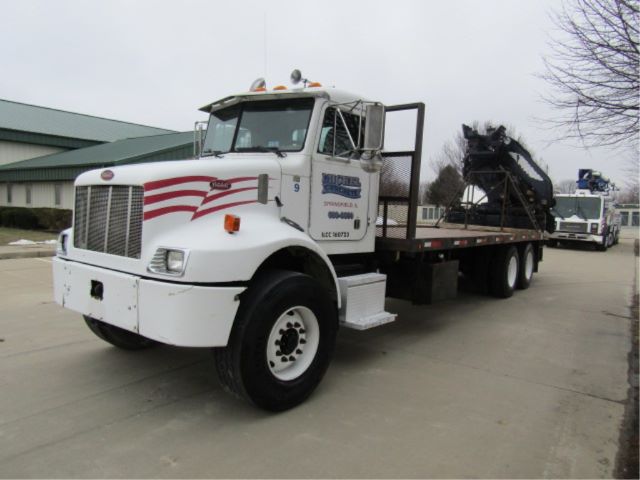
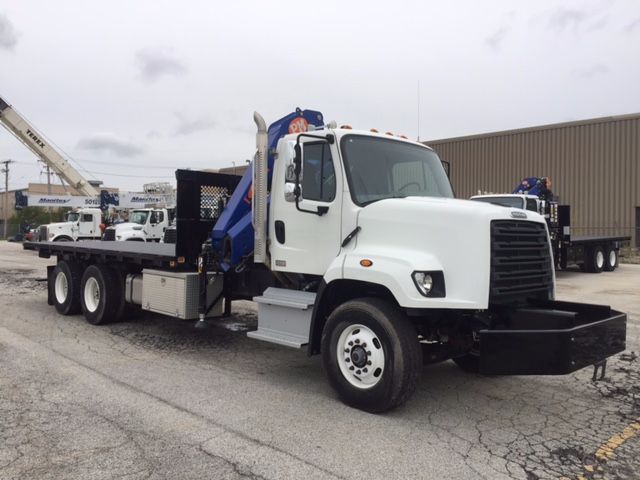
Have used sterling boom truck to sell? List it here to reach thousands of buyers.
About Used Sterling Boom Trucks
The first buying decision is usually the aerial device itself, not just the truck under it. Working height, side reach, platform capacity, boom type, and boom rotation will determine what jobs the truck can actually perform. Utility-style bucket trucks may use insulated booms for electrical work, while tree and sign applications may prioritize reach and maneuverability over insulation. Material-handling configurations add a winch to lift transformers, poles, HVAC components, or jobsite materials, but they also change axle loading and body layout. On older Sterling units, buyers should pay close attention to the condition of the boom, turret, hoses, cylinders, outriggers, and controls, along with current dielectric testing records if the truck is intended for energized-line work.
Chassis specs still matter because boom trucks spend their lives carrying concentrated weight high and behind the cab. Sterling models such as the LT and Acterra series were often spec'd with Cummins or Caterpillar diesel engines, manual or automatic transmissions, and single or tandem rear axles depending on the application. GVWR, wheelbase, rear suspension, frame reinforcement, and front axle capacity all affect stability and legal payload. Many used units are equipped with hydraulic outriggers, utility bodies with tool compartments, ladder racks, pintle hitches, and engine-driven PTO systems. A buyer should also verify CDL implications, brake type, tire condition, rust around outriggers and body mounts, and how easily replacement chassis parts and service support can be sourced in their region.
A well-matched used Sterling boom truck can still be a practical fleet asset when the inspection goes beyond basic engine and transmission checks. The most important records are annual boom inspections, hydraulic service history, structural repairs, and any liner or hose replacement on the aerial device. Hours on the boom can matter as much as miles on the odometer. Buyers comparing listings should look closely at lift manufacturer, model tag, working height, basket capacity, insulation rating, and outrigger operation, then weigh those details against the truck's drivetrain, axle ratings, and intended duty cycle. For buyers who need a vocational chassis with proven fleet heritage, Sterling boom trucks remain a relevant option in the used market.
Frequently Asked Questions
What should I inspect first on a used Sterling boom truck?
Start with the aerial device, because the boom and its certifications usually determine the truck's real value. Check the boom manufacturer, model, working height, platform capacity, insulation rating if applicable, and the condition of hoses, cylinders, pins, turret components, outriggers, and lower and upper controls. Review annual inspection and dielectric test records when relevant. After that, inspect the Sterling chassis for engine condition, PTO operation, axle ratings, frame integrity, rust, brake system condition, and any signs the truck has been overloaded or used on rough right-of-way work.
Are Sterling boom trucks good for utility and telecom work?
Many Sterling boom trucks were built specifically for utility, telecom, municipal, and contractor service, so the chassis layout often suits aerial applications well. They are commonly found with utility bodies, PTO hydraulics, and stable wheelbase configurations that work with bucket and material-handling booms. The key is matching the upfit to the job. Electrical utility work may require an insulated boom and current dielectric certification, while telecom or lighting work may place more emphasis on reach, storage, and maneuverability.
Do I need a CDL to operate a Sterling boom truck?
That depends on the truck's gross vehicle weight rating, the actual registered weight, and local or state regulations. Many boom trucks are built above the 26,000-pound GVWR threshold, which can trigger CDL requirements, especially when equipped with heavier utility bodies, outriggers, and material-handling equipment. Even when a CDL is not required, operators may still need aerial lift training, fall protection compliance, and jobsite-specific qualifications. Buyers should verify licensing and operator requirements before putting a truck into service.
What engine and transmission setups are common on used Sterling boom trucks?
Used Sterling boom trucks are often equipped with diesel engines from Cummins or Caterpillar, paired with either manual or automatic transmissions depending on the fleet and application. Utility fleets sometimes favored automatic transmissions for stop-and-go operation and easier driver training, while some older vocational specs used manuals. Engine choice matters less than maintenance history, cold-start behavior, PTO compatibility, and how well the drivetrain supports the truck's loaded weight and hydraulic work cycle.
How important are boom hours compared with mileage on a used unit?
Boom hours are extremely important because aerial devices can accumulate significant wear while the truck itself logs relatively few road miles. A unit with moderate mileage but heavy daily boom use may have more hydraulic, structural, and control-system wear than a higher-mileage truck used for lighter duty. Buyers should compare odometer readings with engine hours, PTO hours if available, and documented boom service history. The best picture comes from evaluating both the truck's road use and the aerial device's operating life together.