
Used Rolloff Trailers For Sale
Browse used rolloff trailers built for waste, scrap, and container hauling. Compare lengths, axle setups, hoists, and roller bed designs.
Learn more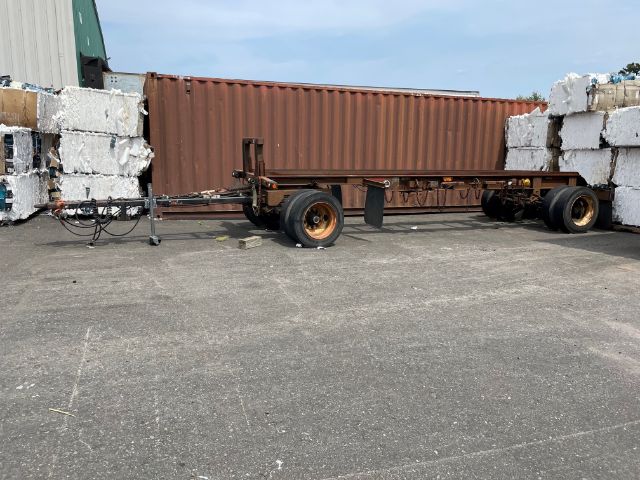
Have used rolloff trailer to sell? List it here to reach thousands of buyers.
About Used Rolloff Trailers
Frame design, bed length, and container compatibility matter more than cosmetics on this category. Common used rolloff trailers range from shorter pup configurations around the mid-20-foot class to full-length highway trailers in the 40-foot to 53-foot range. Steel construction is common because these trailers live in abrasive service and see repeated loading impacts. Roller bed layouts, rail condition, crossmember integrity, rear hinge structure, and hoist or cable system wear should be checked closely. If the trailer runs a sliding tandem, that adds flexibility for bridge laws and axle loading, while air ride suspension can help reduce shock to the trailer structure and container during transport.
A buyer should also pay attention to axle rating, brake condition, auto slack adjusters, lighting, and the condition of the rollers, sheaves, winch components, and container guides. On used units, uneven rail wear, twisted frames, cracked welds near suspension hangers, and damage at the rear loading area can tell you a lot about how the trailer was worked. Width is typically 96 inches, but actual usable deck and rail dimensions need to match the cans in your fleet. If the trailer is part of a truck-and-pup operation, tongue length, tracking, and backing behavior become important operational factors, especially for tight landfill, transfer station, and urban routes.
For many fleets, a used rolloff trailer is a cost-effective way to increase container moves per day without adding another truck. The right spec depends on container size, route density, legal payload targets, and the surfaces the trailer sees every day. A lighter trailer may improve payload, but a heavier-duty frame can hold up better in scrap, C&D, and rough transfer yard service. The best used rolloff trailers are the ones with rail and hoist systems that match your boxes, suspension and axle specs that fit your territory, and a frame that is still square after years of hard loading cycles.
Frequently Asked Questions
What is a rolloff trailer used for?
A rolloff trailer is used to transport roll-off containers, dumpsters, debris boxes, and similar open-top cans between job sites, transfer stations, landfills, scrap yards, and disposal facilities. They are common in waste hauling, construction and demolition hauling, recycling, and municipal sanitation work. Some fleets use full-size rolloff trailers for highway container moves, while others use pup trailers to carry a second container behind a truck and increase route productivity.
What should I inspect first on a used rolloff trailer?
Start with the frame rails, crossmembers, rear loading area, suspension mounts, and all weld zones that take repeated impact loads. Then inspect the rollers, rail surfaces, winch or cable system, sheaves, container stops, and guide hardware for wear or misalignment. Brake condition, axle ratings, air system leaks, tire wear, lighting, and signs of a twisted or out-of-square frame are also critical. On this category, structural condition and operating geometry matter more than cosmetic appearance.
What lengths are common for used rolloff trailers?
Used rolloff trailers are found in several configurations depending on application. Pup trailers are often in the shorter range, roughly around 24 feet, and are used to haul a second dumpster or can in combination with a truck. Full-length highway roller bed trailers can run much longer, including 40-foot to 53-foot configurations. The right length depends on the container sizes in your fleet, turning requirements, and how the unit will be routed through transfer, landfill, and urban pickup environments.
Is a sliding tandem important on a rolloff trailer?
A sliding tandem can be very useful because it gives the operator more flexibility in axle placement for bridge law compliance and load distribution. That matters when container weights vary significantly from stop to stop, which is common in waste, scrap, and demolition service. A fixed tandem may be simpler, but a sliding setup can make the trailer easier to keep legal across different routes and payloads. Buyers should still inspect the slider rails, locking pins, and suspension components carefully on used equipment.
How do I know if a used rolloff trailer will fit my containers?
Container compatibility should be verified by more than overall trailer length. Check rail spacing, roller placement, stop locations, loading angle, rear structure, and the type of hoist or cable engagement used in your fleet. Measure actual can dimensions and compare them to the trailer's usable rail and loading geometry. Small mismatches in guide placement or rear loading design can create operating problems, excessive wear, or unsafe loading conditions even when the trailer appears to be the right size.