
Used Peterbilt Conventional Sleeper Trucks For Sale in Arkansas
Browse used Peterbilt conventional sleeper trucks in Arkansas. Compare 379-style long hood specs, sleeper sizes, drivetrains, and condition factors.
Learn more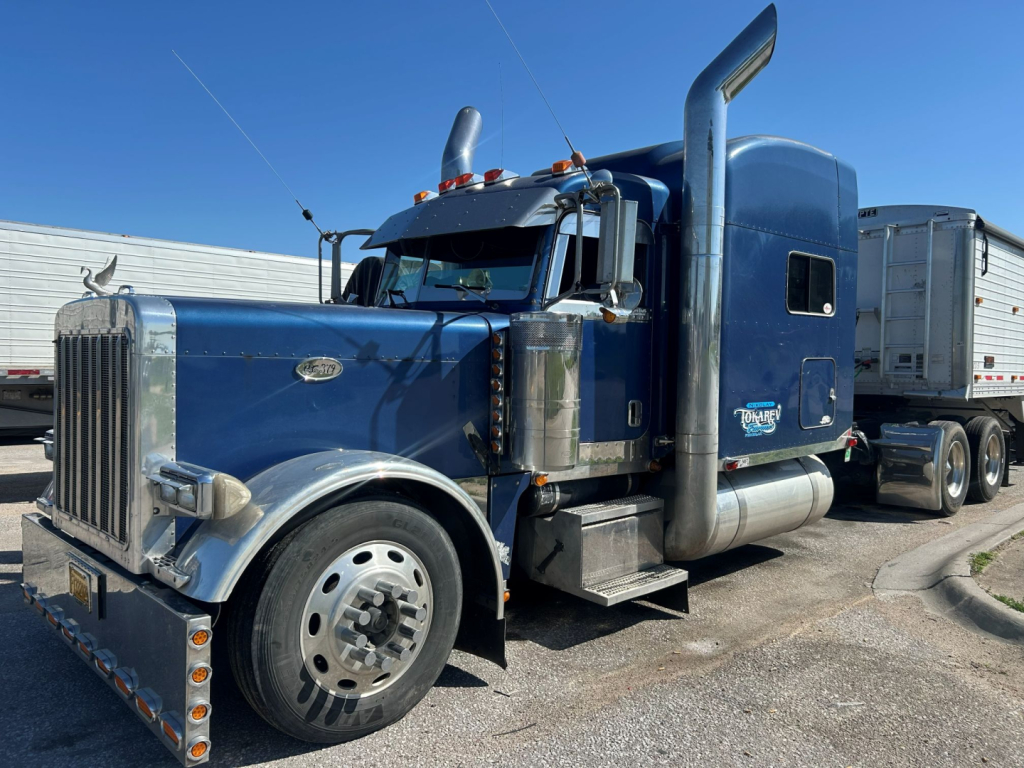
Have used peterbilt conventional sleeper truck to sell? List it here to reach thousands of buyers.
About Used Peterbilt Conventional Sleeper Trucks in Arkansas
A conventional sleeper Peterbilt is built to handle miles with better living space than a day cab and easier service access than a cabover. Popular used models include the Peterbilt 379 and similar long-nose configurations known for extended hood styling, set-back front axle layouts, and a wide range of engine options from Caterpillar, Cummins, and Detroit depending on year and original spec. Buyers should pay close attention to sleeper size, axle ratio, fuel capacity, and whether the truck was ordered for fuel economy, heavy haul, or owner-operator image. Details like 70-inch to 78-inch sleepers, 13-speed or 18-speed manual transmissions, tandem rear axles, air ride suspension, dual stacks, headache racks, and extended frames can change how well a truck fits the intended application.
Condition matters more than badge appeal on a used sleeper truck. On a Peterbilt, inspect cab mounts, hood alignment, steering components, front-end wear, and signs of corrosion around the battery box, frame, and sleeper seams. Review maintenance records for inframe or out-of-frame engine work, transmission rebuilds, clutch history, driveline wear, brake system service, and cooling system repairs. Interior condition is also important because a sleeper truck that has spent years on the road can show hard wear in seats, bunk trim, HVAC controls, window regulators, and dash components. If the truck has appearance upgrades such as custom stacks, bumpers, extra lighting, or frame modifications, verify that the workmanship is solid and that the changes do not interfere with weight distribution, turning radius, or compliance needs.
For Arkansas buyers, it is smart to match the truck to route profile and freight type rather than buying on looks alone. A long wheelbase Peterbilt conventional sleeper can be an excellent fit for open highway work and owner-operator service, but it may be less practical for tight urban deliveries or docks with limited maneuvering space. If the truck will pull a van, reefer, hopper, or flatbed across the South and Midwest, focus on drivetrain efficiency, ride quality, sleeper comfort, and parts support. A well-kept used Peterbilt sleeper can still deliver strong service life, but the right purchase comes down to documented mechanical condition, correct gearing, and a spec that matches the loads you plan to haul.
Frequently Asked Questions
What should I look for first on a used Peterbilt conventional sleeper truck?
Start with the powertrain history and frame condition. Engine rebuild documentation, transmission service records, clutch work, rear axle condition, and cooling system maintenance tell you more about long-term value than cosmetic appearance alone. After that, inspect the frame rails, suspension, steer axle components, brakes, and sleeper structure for wear, corrosion, or poor-quality modifications.
Are Peterbilt 379 sleeper trucks still a good buy on the used market?
Yes, if the truck has been maintained correctly and the spec matches the job. The 379 remains popular because of its durable conventional design, serviceability, strong owner-operator demand, and broad parts familiarity. The main risk is buying a truck based on appearance or reputation without confirming engine, driveline, and chassis condition, especially on older units with high lifetime miles.
How important is sleeper size on a conventional Peterbilt?
Sleeper size directly affects driver comfort, storage capacity, and how well the truck fits over-the-road work. Larger sleepers are better for extended trips and team operations, while smaller sleepers may save some weight and work fine for regional lanes. Buyers should also check bunk condition, cabinet layout, HVAC performance, and overall interior wear because usable sleeper space matters more than published dimensions alone.
What drivetrain specs matter most for an Arkansas-based sleeper truck?
Rear axle ratio, transmission type, engine rating, and wheelbase are key decisions. Arkansas operations can include interstate runs, rolling terrain, agricultural freight, timber routes, and mixed regional work, so gearing should match the trailer weight and average route speed. A highway truck set up for fuel economy may not be ideal for heavier starts or specialized hauling, while a deeper ratio and multi-speed manual may be better for demanding loads.
Do custom parts and appearance upgrades add value to a used Peterbilt sleeper?
They can, but only when the underlying truck is sound. Custom exhaust, bumpers, lighting, and frame extensions may improve appeal to some buyers, yet they do not replace documented maintenance or mechanical integrity. Always confirm that custom work was installed properly and does not create issues with legal length, weight distribution, service access, or operating practicality.