
Used Mack Rolloff Trucks For Sale in New York
Browse used Mack rolloff trucks for sale in New York. Compare hook hoist specs, axle ratings, hydraulics, and heavy-duty refuse applications.
Learn more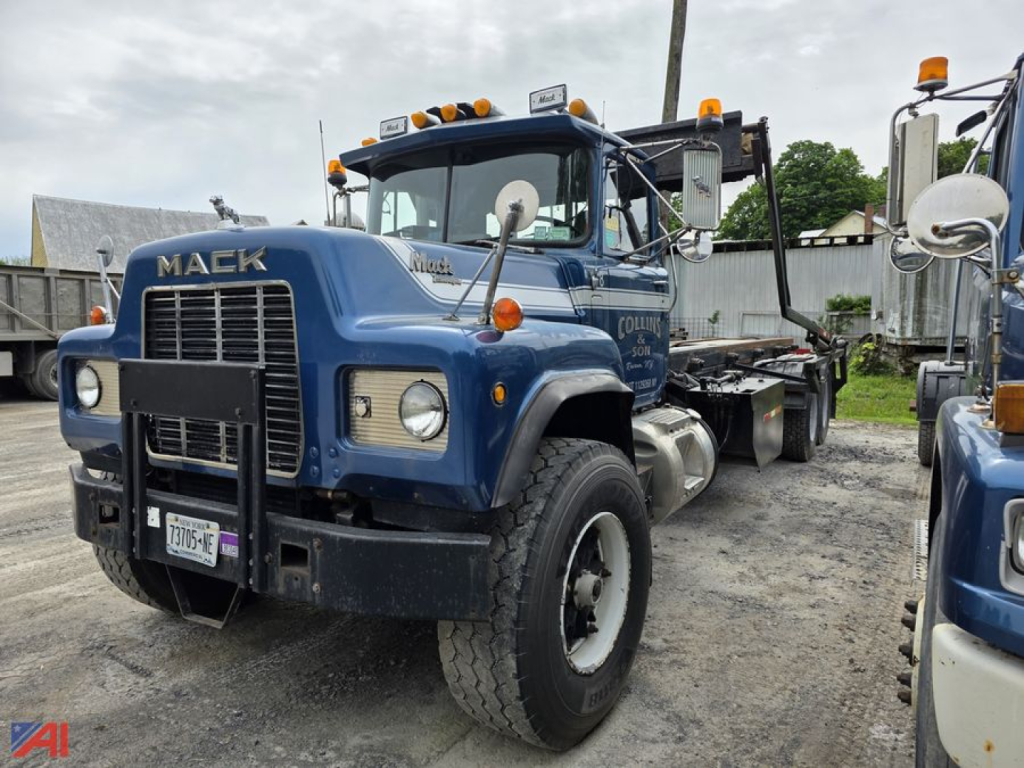

Have used mack rolloff truck to sell? List it here to reach thousands of buyers.
About Used Mack Rolloff Trucks in New York
A Mack rolloff truck is usually spec'd with heavy front axles, high-capacity rears, double frames, and vocational suspensions such as Camelback or other severe-duty setups. Engines in this category often fall in the mid-to-high horsepower range with torque suited for stop-and-go hauling, container loading, and urban transfer work. Transmissions may be manual, automated manual, or automatic depending on age and application, and PTO-driven hydraulic pumps are a key item to inspect closely. On a used unit, buyers should pay attention to hoist brand and rating, outside rail versus inside rail design, cylinder condition, crossmember integrity, tarper operation, and any signs of frame stress around the hoist mounts.
In New York, route density and local disposal work make maneuverability just as important as raw capacity. Wheelbase, cab-to-axle, and overall length determine how easily a truck can work tight transfer stations, city streets, and construction sites. Common specs include 60,000-lb class hoists, tandem rear axles, 20,000-lb front axles, and GVWRs built for heavy containers and repeated loading cycles. Tire size, rear ratio, and suspension choice also affect how the truck handles on mixed highway and local work. A remote control system, electric or hydraulic tarper, and clean PTO engagement can add real daily value when the truck is cycling containers all day.
The best used Mack rolloff trucks are usually the ones with a clear maintenance history and a body that matches the work. A truck hauling demolition debris has different wear patterns than one serving commercial waste accounts. Check for hydraulic leaks, boom wear, hook alignment, winch performance if equipped, and body rail condition from front to rear. Cab condition matters, but less than engine health, driveline durability, and hoist function. For buyers comparing listings, the smartest approach is to match hoist capacity, axle specs, and chassis layout to the container sizes, route lengths, and jobsite conditions the truck will actually see.
Frequently Asked Questions
What should I look for first on a used Mack rolloff truck?
Start with the chassis and hydraulic system. Confirm the front axle, rear axle, suspension, and frame are rated for the container weights you plan to haul. Then inspect the rolloff body itself, including the hoist rating, rails, hook or cable components, cylinders, PTO operation, tarper, and any remote controls. On a used Mack, service history, frame condition, and signs of hydraulic leaks are usually more important than cab appearance.
Are Mack rolloff trucks good for severe-duty refuse and demolition work?
Yes. Mack vocational chassis are widely used in severe-duty applications because they are typically built with strong frames, heavy axle ratings, durable suspensions, and driveline components suited for repeated starts, stops, and high-load cycles. That makes them a practical choice for refuse hauling, scrap handling, C&D debris, and container service where the truck sees constant stress on local routes.
What hoist capacity is common on a rolloff truck?
A common used rolloff configuration is in the 60,000-lb class, but actual capacity depends on the body manufacturer, chassis spec, and intended container sizes. Capacity should always be matched to both the work and the legal weight limits in your operating area. Buyers should verify the hoist model and rating plate rather than relying only on seller descriptions.
Why do wheelbase and cab-to-axle matter on a rolloff truck?
Wheelbase and cab-to-axle dimensions affect container fit, turning radius, bridge law considerations, and how the truck performs on tight urban routes. In places like New York, a truck that is too long can be harder to position at transfer stations, alleys, and construction sites. These measurements also help determine which container lengths the truck can handle safely and efficiently.
What are the most common problem areas on an older used rolloff truck?
The most common problem areas are hydraulic cylinder seepage, worn body rails, cracked or stressed frame sections near hoist mounting points, PTO issues, tarper faults, and suspension wear from repeated heavy loads. On the chassis side, buyers should also check driveline condition, rear ratio suitability, brake performance, and signs of excessive engine vibration or neglected maintenance. A truck can run well on the road and still need costly rolloff body repairs, so both systems need equal attention.