
Used International Trucks For Sale in Idaho
Have used international truck to sell? List it here to reach thousands of buyers.
Used International Trucks in Idaho
In Idaho, terrain and route profile are important. A truck that spends time in mountain grades, oil and fuel service, agriculture, or municipal work needs the right powertrain and braking package. International trucks are commonly found with DT466, MaxxForce, and Cummins diesel engines depending on model year and application, paired with manual, automated, or Allison automatic transmissions. On medium-duty chassis, GVWR, rear axle ratio, suspension type, and brake spec will tell you a lot about how the truck will perform under load. If the truck carries specialized equipment such as a tank, crane, dump body, or reefer unit, inspect PTO operation, hydraulic components, frame condition, and body mounting closely.
Used International trucks can be a strong value when the spec matches the work. Many fleets favor them for cab accessibility, serviceability, and availability of vocational configurations. For buyers comparing older units, emissions equipment history is a key checkpoint, especially on trucks used in stop-and-go duty or seasonal service. Review engine hours along with mileage, and pay attention to maintenance records for injectors, EGR components, DPF service, cooling systems, and front-end wear. On Idaho trucks, it also makes sense to check for corrosion around tanks, steps, cab mounts, and body hardware, especially if the truck has seen winter road treatment or off-pavement use.
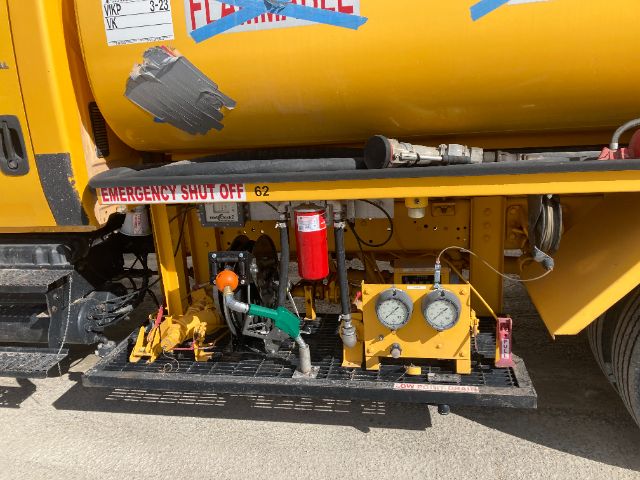
The best used International truck is usually the one with the clearest vocational fit and the cleanest maintenance history, not simply the newest one. A low-mile chassis can be attractive, but buyers should still verify idle time, PTO hours, tank or body certification status, tire date codes, and brake life. If the truck has been used in a specialized role such as fuel delivery, utility service, or airport support, make sure the upfit meets current regulatory and operational requirements. Looking closely at wheelbase, frame rail condition, suspension capacity, and body integration will help narrow down which used International truck in Idaho is built for dependable work instead of costly reconfiguration.
Frequently Asked Questions about Used International Trucks in Idaho
What are the most common used International truck models buyers look for?
Common used International truck models include the 4300, 4400, DuraStar, 7400, WorkStar, and ProStar, depending on whether the buyer needs medium-duty delivery capability or a heavier vocational chassis. The 4300 and DuraStar are especially common for box trucks, flatbeds, service trucks, and tank applications, while 7400 and WorkStar models are more often seen in dump, utility, and severe-service roles. The right model depends on GVWR, axle capacity, wheelbase, and body or equipment requirements.
What should I check first on a used International vocational truck?
Start with the truck’s actual job spec. Confirm the VIN, GVWR, axle ratings, wheelbase, transmission, PTO provision, and engine model before evaluating cosmetic condition. On vocational trucks, the body and chassis integration matters a lot, so inspect frame rails, crossmembers, hydraulic lines, PTO engagement, suspension wear, and any mounted equipment such as tanks, pumps, or cranes. Maintenance records and any certification paperwork for the body or attached equipment are just as important as mileage.
Are International trucks a good choice for Idaho work conditions?
International trucks can be a solid fit for Idaho fleets because they are widely available in medium and heavy-duty configurations suited for agriculture, fuel service, construction, municipal work, and regional hauling. Buyers should match the spec to local terrain and duty cycle, especially if the truck will run mountain grades, unimproved roads, or cold-weather routes. Powertrain selection, rear axle ratio, brake package, and suspension setup have a major impact on how well the truck performs in Idaho conditions.
How important is engine choice on a used International truck?
Engine choice is critical because it affects reliability, service costs, emissions complexity, and how the truck performs under load. Used International trucks may have DT466, MaxxForce, Cummins, or other engines depending on the model year and chassis. Buyers should review service history for cooling system work, injector replacement, EGR and DPF maintenance, and any emissions-related repairs. A well-documented engine with the right horsepower and torque rating for the application is usually a better buy than a lower-priced truck with an unclear maintenance record.
Does low mileage always mean a better used International truck?
No. Low mileage can be attractive, but it does not automatically mean lower wear. Many vocational trucks accumulate substantial idle time, PTO hours, and stop-and-go stress that do not show up in the odometer reading alone. A truck used for pumping, fueling, utility service, or jobsite support may have very low road miles but still need careful inspection of the engine, transmission, hydraulic systems, tires, brakes, and mounted equipment. Mileage should be evaluated alongside hours, service records, and the condition of the chassis and body.