
Used Freightliner Vacuum Tank Trucks For Sale
Browse used Freightliner vacuum tank trucks, including M2 configurations built for septic, sewer, industrial cleanup, and liquid waste hauling.
Learn moreNo exact matches found for your search
Showing Used Vacuum Tank Trucks instead.
Have used freightliner vacuum tank truck to sell? List it here to reach thousands of buyers.
About Used Freightliner Vacuum Tank Trucks
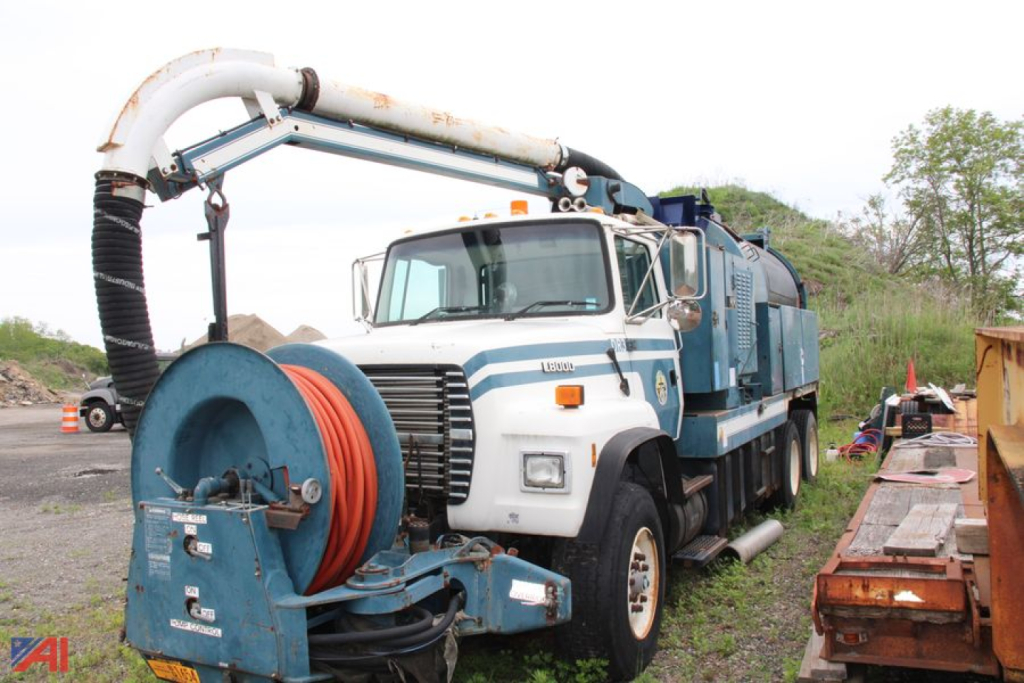
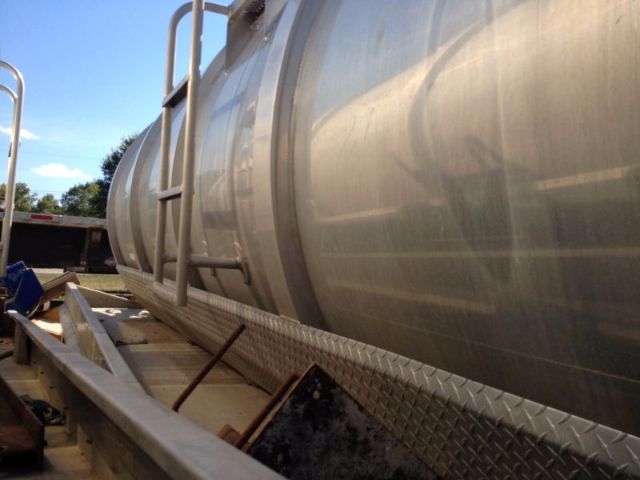
The first buying decision is application. A straight vacuum tank truck used for septic pumping or grease trap service is different from a combination sewer cleaner with water tanks, jetting systems, hose reels, and more complex plumbing. Buyers should confirm tank capacity, tank material, vacuum pump type, blower hours if available, and whether the unit is set up for wet or dry material, hazardous material handling, or municipal sewer work. On a used Freightliner vacuum truck, pay close attention to corrosion inside the tank, condition of the rear door and seals, pump performance under load, and wear in the boom, hose reel, valves, and piping. Rust around the tank shell, subframe, or vortex area can turn an otherwise solid truck into an expensive rebuild.
Freightliner M2 vacuum tank trucks are often spec'd with diesel engines from Cummins or Mercedes-Benz depending on year and configuration, paired with automatic or manual transmissions and axle ratings suited to local bridge laws and payload targets. GVWR, wheelbase, PTO setup, suspension type, and brake configuration matter because vacuum bodies are heavy even before product is loaded. Buyers should also evaluate how the chassis and body are integrated, including PTO engagement, hydraulic systems, frame reinforcement, and weight distribution across the steer and drive axles. A truck that is well matched on paper but overloaded in actual service will cost more in tires, brakes, suspension, and downtime.
A good used Freightliner vacuum tank truck should be judged as a complete system. Service records for the vacuum pump, blower, hydrostatic components, hoses, valves, and tank inspections are often more important than cosmetic condition. Many older municipal and contractor-owned units can still have useful life if the tank body is structurally sound and the vacuum components pull proper inches of mercury or airflow for the intended work. For buyers comparing multiple listings, the most important questions are usually tank capacity, pump model, body manufacturer, PTO operation, rust history, legal weight when loaded, and how easily the unit can be repaired with locally available parts and service.
Frequently Asked Questions
What should I inspect first on a used Freightliner vacuum tank truck?
Start with the tank and vacuum system before focusing on the cab or paint. Check for internal and external tank corrosion, weak spots around the rear door, subframe rust, worn seals, damaged plumbing, and evidence of patch repairs. Then verify vacuum pump or blower performance, PTO engagement, hydraulic operation, and hose reel or boom function. On many used units, the body condition and vacuum components determine the real value more than the chassis mileage alone.
Are Freightliner M2 vacuum trucks good for septic and municipal work?
Yes, the Freightliner M2 is a common platform for septic pumping, sewer maintenance, and general liquid waste service. It offers a widely supported chassis, practical cab layout, and a broad parts and dealer network. The key is matching the axle ratings, wheelbase, engine, and PTO configuration to the body and the job. A properly spec'd M2 can be a solid fit for local route work, municipal fleets, and contractors that need easier service access than some more specialized severe-duty chassis.
What is the difference between a vacuum tank truck and a combo sewer cleaner?
A vacuum tank truck is primarily built to suction and transport liquids, sludge, or slurry. A combo unit adds a high-pressure water system for jetting and cleaning sewer lines, usually with separate water storage, hose reels, and more complex controls. Many used Freightliner vacuum trucks are straight vac units, while others are full combination machines. Buyers should confirm which system is installed because the maintenance requirements, operating costs, and job capability are very different.
How important is tank capacity on a used vacuum truck?
Tank capacity matters, but legal payload and axle ratings matter just as much. A larger tank can improve productivity by reducing dump trips, but it also increases empty weight and can push the truck over legal limits when fully loaded. Buyers should compare advertised capacity with the chassis GVWR, axle ratings, and local operating rules. The most efficient truck is usually the one that carries a practical load legally and reliably for the route structure it will run.
What engine and drivetrain specs matter most on a used Freightliner vacuum tank truck?
Focus on engine torque, transmission type, PTO compatibility, rear axle ratio, and suspension capacity. Vacuum trucks spend a lot of time in stop-and-go service, on jobsites, and under PTO load, so drivability and durability are more important than highway speed. Buyers should confirm the engine can support the body system, that the transmission and PTO are matched correctly, and that brakes, tires, and suspension are rated for the truck's actual loaded operating weight.