
Used Freightliner Conventional Sleeper Trucks For Sale in Utah
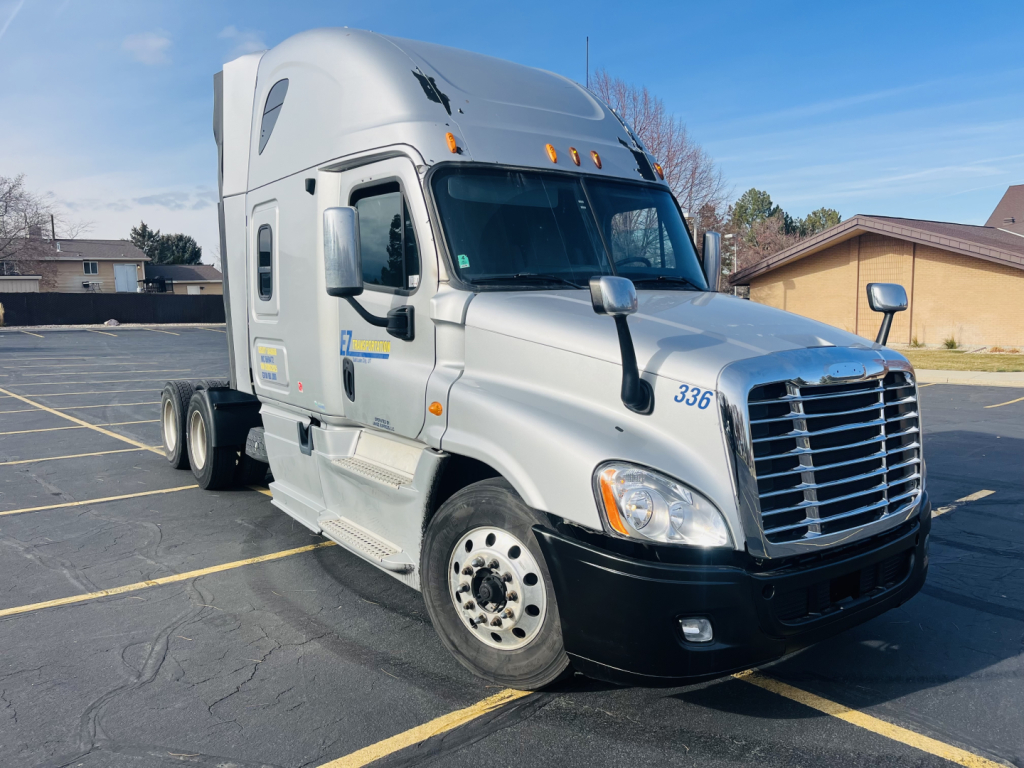
Have used freightliner conventional sleeper truck to sell? List it here to reach thousands of buyers.
Used Freightliner Conventional Sleeper Trucks in Utah
The biggest buying decision is usually the powertrain. Many used Freightliner sleeper trucks are spec'd with Detroit diesel engines such as the DD13 or DD15, paired with a 10-speed, 12-speed automated manual, or 13-speed manual transmission. Buyers should look closely at horsepower and torque ratings, rear axle ratio, and how the truck was geared for its original application. A fleet highway spec may prioritize fuel mileage and lower cruise RPM, while an owner-operator setup may lean toward stronger pull and a more flexible transmission. On used units, service records for emissions components, overhead adjustments, clutch wear, transmission calibration, and any in-frame or out-of-frame engine work can tell you as much as the odometer.
Sleeper configuration matters just as much as the engine. Freightliner conventional sleepers are commonly found with mid-roof or raised-roof cabs, single or double bunk layouts, and storage packages that affect driver comfort on extended runs. Interior condition, HVAC performance, bunk heater operation, inverter setup, and idle management equipment are worth checking because they directly affect uptime and driver retention. On the chassis side, pay attention to wheelbase, tandem spacing, fifth wheel placement, suspension type, and fuel capacity. Features like fairings, aluminum wheels, disc or drum brakes, tire inflation systems, and collision mitigation can materially change operating cost and resale value.
For Utah buyers, terrain and climate should shape the shortlist. A truck that spends time on grades, winter roads, and wide temperature swings benefits from proper cooling system maintenance, strong batteries, good tire condition, and a spec that matches gross combination weight expectations. Freightliner sleepers remain popular because they balance aerodynamics, driver comfort, and relatively broad dealer and aftermarket support. The best used truck in this category is usually the one with a clear maintenance story, a practical sleeper layout, and a drivetrain spec that fits the freight instead of forcing the freight to fit the truck.
Frequently Asked Questions about Used Freightliner Conventional Sleeper Trucks in Utah
What should I look for first on a used Freightliner conventional sleeper truck?
Start with the engine, transmission, mileage, and maintenance records. On a used Freightliner sleeper, service history for the Detroit engine, emissions system, cooling system, and transmission is often more important than appearance. After that, review sleeper size, bunk layout, wheelbase, rear axle ratio, and fifth wheel setup to make sure the truck matches the type of freight and trailer length you plan to run.
Are Freightliner Cascadia sleeper trucks a good choice for long-haul use?
Yes. The Freightliner Cascadia is one of the most common long-haul sleeper tractors in the used market because it was designed around fuel economy, highway comfort, and fleet uptime. Its aerodynamic body, broad parts availability, and common Detroit powertrain combinations make it a practical choice for many carriers. The specific truck still needs to be evaluated by maintenance history, sleeper configuration, and drivetrain spec rather than model name alone.
Which engine and transmission combinations are common in used Freightliner sleeper trucks?
Many used Freightliner conventional sleepers are equipped with Detroit DD13 or DD15 engines. Common transmission choices include manual 10-speed or 13-speed units and automated manual transmissions built for highway efficiency. The right combination depends on load weight, terrain, driver preference, and cruising speed targets. Mountain operation and heavier freight often justify a different horsepower, torque, and axle ratio setup than a flatland dry van route.
How important is sleeper size on a conventional sleeper truck?
Sleeper size affects more than rest space. It changes storage capacity, driver comfort, curb weight, wheelbase, and sometimes resale appeal. A double bunk or raised-roof sleeper may be better for team driving or extended over-the-road use, while a simpler sleeper can work well for shorter regional runs. Buyers should match the sleeper layout to actual duty cycle, not just appearance.
What matters most when buying a used sleeper truck in Utah?
Utah buyers should pay close attention to gradeability, cooling system condition, tire quality, batteries, and braking performance because the truck may see mountain routes, winter weather, and temperature swings. Rear axle ratio, horsepower, and transmission choice matter more in this environment than they might on flatter lanes. A clean maintenance record and a drivetrain spec suited to elevation and heavier pulls can make a major difference in operating cost and reliability.