
Used Fontaine Flatbed Trailers For Sale in Michigan
Browse used Fontaine flatbed trailers for sale in Michigan. Compare 48' and 53' specs, axle setups, deck materials, and tie-down options.
Learn more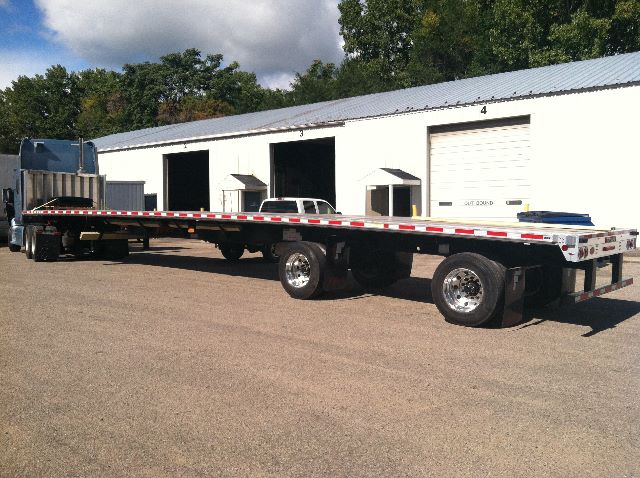
Have used fontaine flatbed trailer to sell? List it here to reach thousands of buyers.
About Used Fontaine Flatbed Trailers in Michigan
Length and legal flexibility matter. Many used Fontaine flatbeds are 48-foot or 53-foot by 102-inch wide, with tandem axle setups that may include a spread, fixed tandem, or sliding rear axle depending on age and application. A sliding axle can be especially useful for weight distribution and bridge compliance when freight varies from load to load. Buyers should also pay close attention to deck construction. Aluminum trailers help reduce empty weight and improve payload, while combo or steel construction can offer a different balance of cost, repairability, and durability. On a used trailer, inspect crossmembers, the main beam areas, landing gear mounts, rub rails, stake pockets, and rear frame sections for fatigue, corrosion, and past repairs.
Securement spec is another major buying point in this category. A flatbed that is already equipped with chain tie-downs, a good rub rail, stake pockets, spool racks, and an aluminum bulkhead may fit steel or mixed commodity work better than a basic platform. If your freight requires tarping, check for coil package setups, winch track condition, and enough room for dunnage, straps, and chains in side boxes. In Michigan, weather exposure is a real factor, so wood deck wear, fastener condition, tire age, brake performance, and air system health deserve close inspection on used units. Suspension type, wheel-end service history, and the condition of lights and wiring also affect downtime and operating cost.
A used Fontaine flatbed trailer is often bought on spec details rather than brand alone. Kingpin setting, loaded axle spread, deck height, and tare weight all affect how well the trailer fits your lanes and customers. If you regularly haul concentrated loads such as steel coils, machinery, or dense palletized freight, confirm rating, floor condition, and frame integrity before purchase. For more general building materials or regional open-deck freight, a lighter platform with simple securement equipment may be the better value. The best used trailer in this category is the one that matches your freight, loading method, and legal requirements without adding unnecessary weight or repair exposure.
Frequently Asked Questions
What should I inspect first on a used Fontaine flatbed trailer?
Start with the structure and running gear. Check the main beams, crossmembers, upper coupler area, suspension hangers, axle alignment, landing gear mounts, and rear frame for cracks, rust, bent sections, and weld repairs. Then inspect the deck, tires, brakes, air lines, lights, wiring, and wheel ends. On a used flatbed, structural condition and maintenance history usually matter more than cosmetic appearance.
Are Fontaine flatbed trailers commonly available in 48-foot and 53-foot lengths?
Yes. Used Fontaine flatbed trailers are commonly found in 48-foot and 53-foot lengths, usually at 102 inches wide. The right length depends on your freight, customer requirements, and state bridge laws. A 53-foot trailer may offer more deck space for lighter or longer freight, while a 48-foot trailer can be attractive for certain regional operations and load profiles.
Why does a sliding rear axle matter on a flatbed trailer?
A sliding rear axle helps adjust weight distribution between the tractor and trailer axles, which can be important for bridge compliance and legal axle weights. It also gives the operator more flexibility when hauling loads with different lengths or concentrated weight points. On a used trailer, make sure the slider mechanism, locking pins, rails, and air components are in good working order.
What deck and frame materials are common on used Fontaine flatbeds?
Fontaine flatbeds may be built in aluminum, steel, or combination configurations. Aluminum typically lowers trailer weight and can improve payload capacity, while steel may offer lower acquisition cost and familiar repair options. Combination trailers try to balance weight savings and durability. On any used unit, the real issue is condition. Check for corrosion, damaged crossmembers, loose deck boards, and evidence of overloading or poor repairs.
What tie-down and cargo securement features should a buyer look for?
The answer depends on the freight. Common features include rub rails, stake pockets, chain ties, sliding winches, winch track, spool racks, side boxes, and bulkheads. For steel and machinery work, buyers often prioritize chain securement points and strong frame condition. For building materials and mixed freight, strap-friendly setups and usable storage can be just as important. A trailer already spec'd for your cargo can reduce setup cost and put it to work faster.