
Used Direct Trailers For Sale
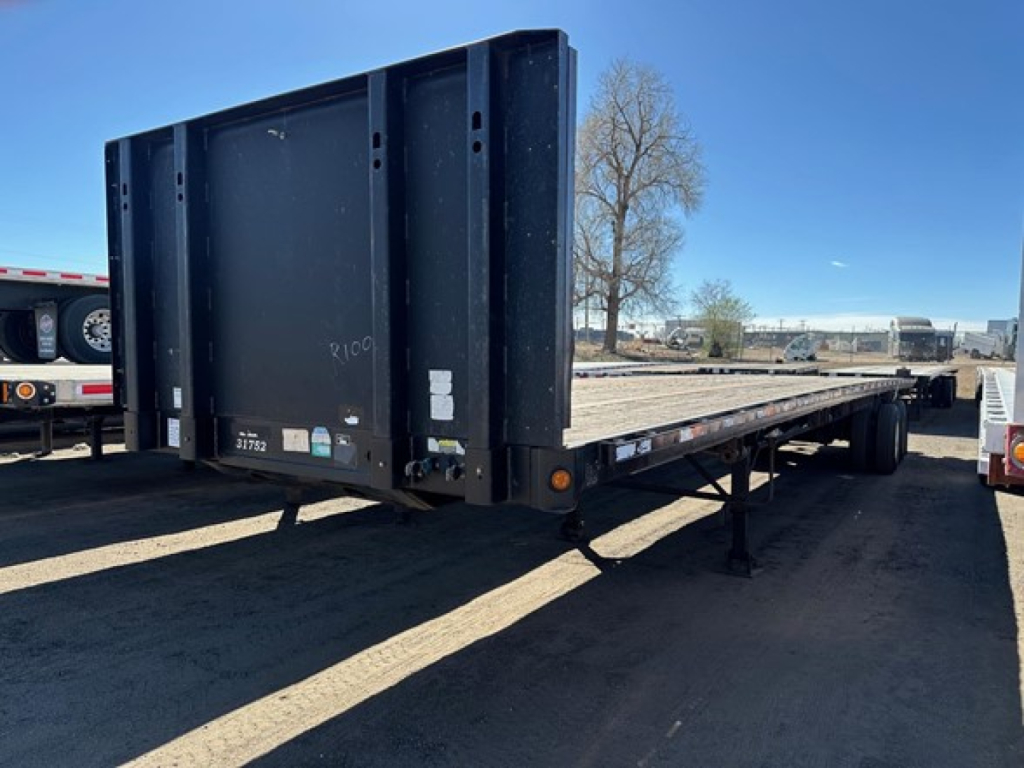
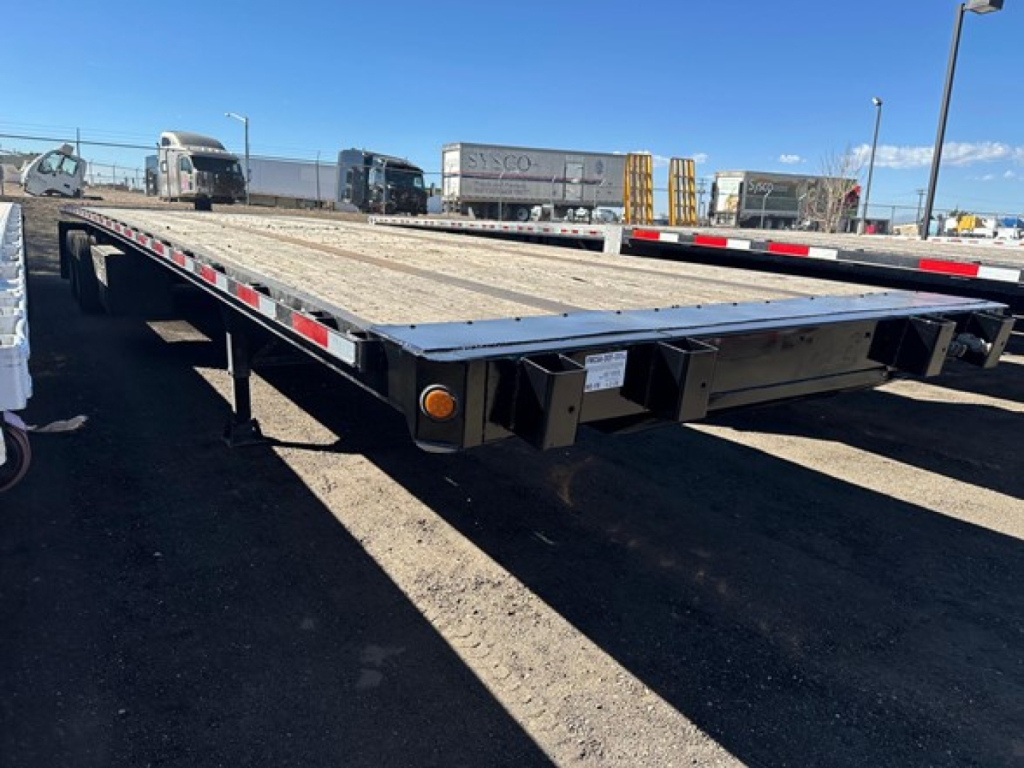
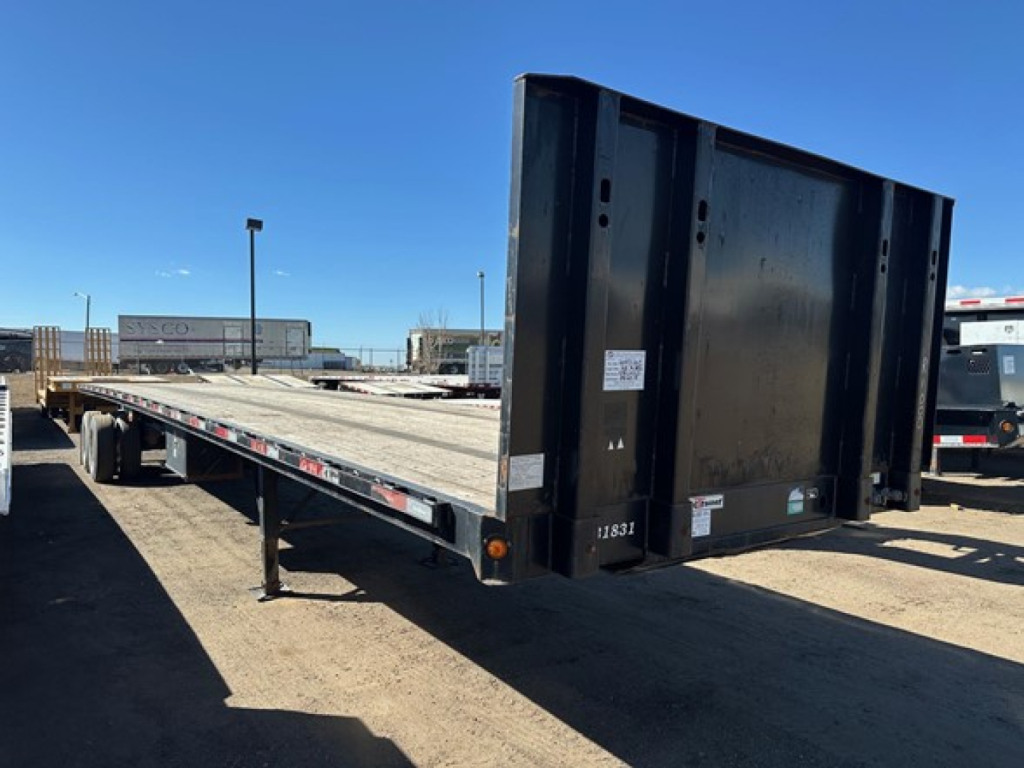
Shop used Direct trailers, including steel flatbed models with forklift kits, tandem axles, wood decks, and common freight-ready specs.
Learn moreBrowse Direct Trailers by Category
Have used direct trailer to sell? List it here to reach thousands of buyers.
About Used Direct Trailers
A steel Direct flatbed is typically a good fit for fleets that value durability and repair familiarity over the lighter tare weight of an aluminum platform trailer. Steel main beams and steel side rails hold up well in demanding regional service, especially where trailers see frequent forklift contact, rough jobsite surfaces, or concentrated cargo. Wood decks remain common because they are practical, widely serviceable, and compatible with a broad range of freight. On used units, buyers should pay close attention to deck condition, crossmember integrity, rail straightness, winch track wear, and any signs of damage around the forklift kit area, bulkhead, landing gear mounts, and suspension hangers.
Suspension and axle layout are major decision points on a used Direct trailer. Listings in this class often show closed tandem setups with either spring ride or air ride, and with fixed or sliding suspension. A sliding tandem gives more flexibility for bridge law compliance and load positioning, while a fixed tandem can be simpler and lighter. Air ride is typically preferred for more fragile or higher-value freight, while spring ride remains common in hard-use applications where simplicity and lower maintenance cost are priorities. Tire size, usually 22.5 low-profile on these trailers, should be evaluated along with wheel condition, brake life, bushing wear, and any evidence of uneven tire wear that might point to alignment or suspension issues.
Many used Direct flatbeds are equipped for freight that demands more than a plain open deck. Forklift kits are especially relevant for drywall, masonry, palletized jobsite materials, and other deliveries where a truck-mounted forklift is part of the operation. Bulkheads, coil package equipment, sliding or fixed winches, and stake pockets expand the range of freight the trailer can legally and efficiently handle. A buyer comparing used Direct trailers should match the trailer's deck length, suspension type, tandem style, securement hardware, and rear accessory setup to the actual freight mix and delivery environment. That approach usually matters more than model year alone when evaluating long-term value in a used flatbed trailer.
Frequently Asked Questions
What are the most common specifications found on used Direct flatbed trailers?
Used Direct flatbed trailers are commonly seen with steel construction, 45-foot by 102-inch deck dimensions, tandem axles, wood floors, and standard flatbed securement features such as stake pockets, pipe spools, winches, and side rails. Many also include bulkheads, coil package equipment, and forklift kits. Suspension may be spring ride or air ride, and tandems may be fixed or sliding depending on the trailer's intended freight and regional bridge requirements.
Is a steel Direct flatbed better than an aluminum flatbed for some operations?
A steel flatbed is often preferred in operations where durability, repairability, and lower acquisition cost matter more than tare weight. Steel trailers generally tolerate rougher loading environments, repeated forklift contact, and hard regional use well. The tradeoff is more empty weight compared with aluminum, which can reduce payload on weight-sensitive freight. For many used trailer buyers, the right answer depends on cargo type, route profile, and how hard the trailer will be worked.
Why does a forklift kit matter on a used Direct trailer?
A forklift kit is important if the operation uses a truck-mounted forklift for deliveries. It allows the trailer to carry the forklift securely and can make the trailer much more useful in building materials, jobsite supply, and local or regional delivery work. On a used unit, buyers should inspect the mounting area closely for cracks, reinforcement repairs, bent structure, and signs of repeated impact because the rear structure sees high stress when a forklift is mounted and removed regularly.
Should I choose a spring ride or air ride used Direct flatbed?
Spring ride is common on flatbeds used in demanding environments because it is simple, proven, and often less expensive to maintain. Air ride generally provides a smoother ride and can be a better choice for sensitive cargo or customers that expect reduced vibration and improved freight protection. When comparing used trailers, the decision should be based on freight type, maintenance preferences, and the condition of the existing suspension components rather than suspension type alone.
What should I inspect first on a used Direct flatbed trailer?
Start with the structural and wear-critical areas. Check the main beams, crossmembers, side rails, deck condition, landing gear, tandem suspension, brake components, tire wear, and wheel condition. Then inspect securement equipment such as winches, stake pockets, pipe spools, and coil package components. If the trailer has a forklift kit or bulkhead, inspect those areas carefully for fatigue, impact damage, corrosion, and weld repairs. A used flatbed's value depends heavily on structural condition and spec fit, not just age.