
Used Beverage Trucks For Sale
Used beverage trucks for sale, including side-load bay and reefer bodies. Compare floor strength, thermal integrity, tare weight, corrosion resistance, and payload durability.
Learn moreBrowse Beverage Trucks by Make
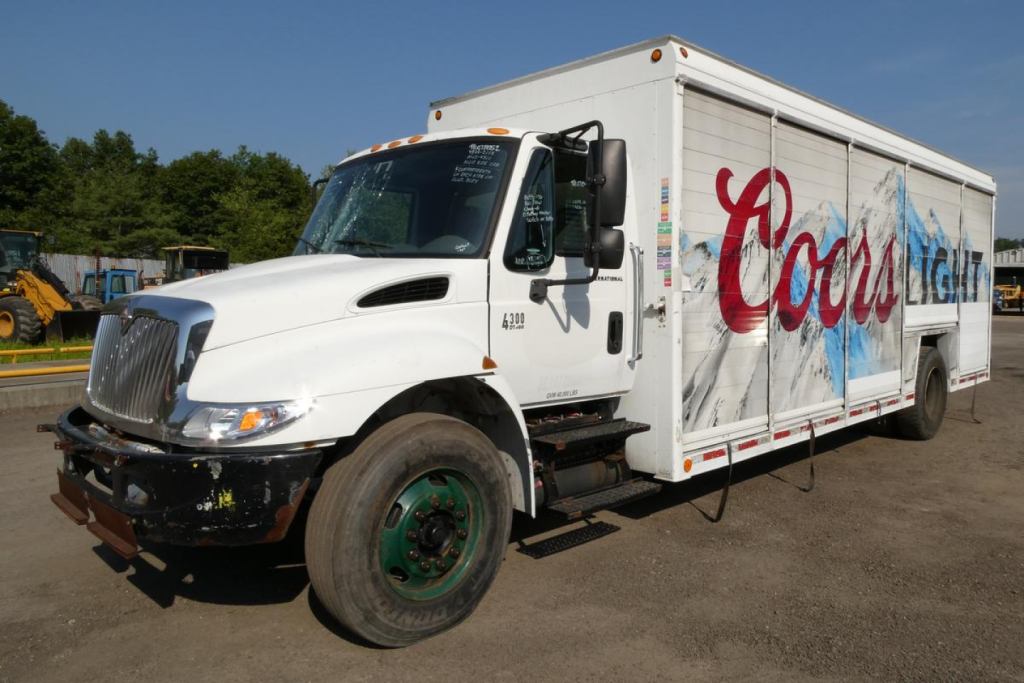
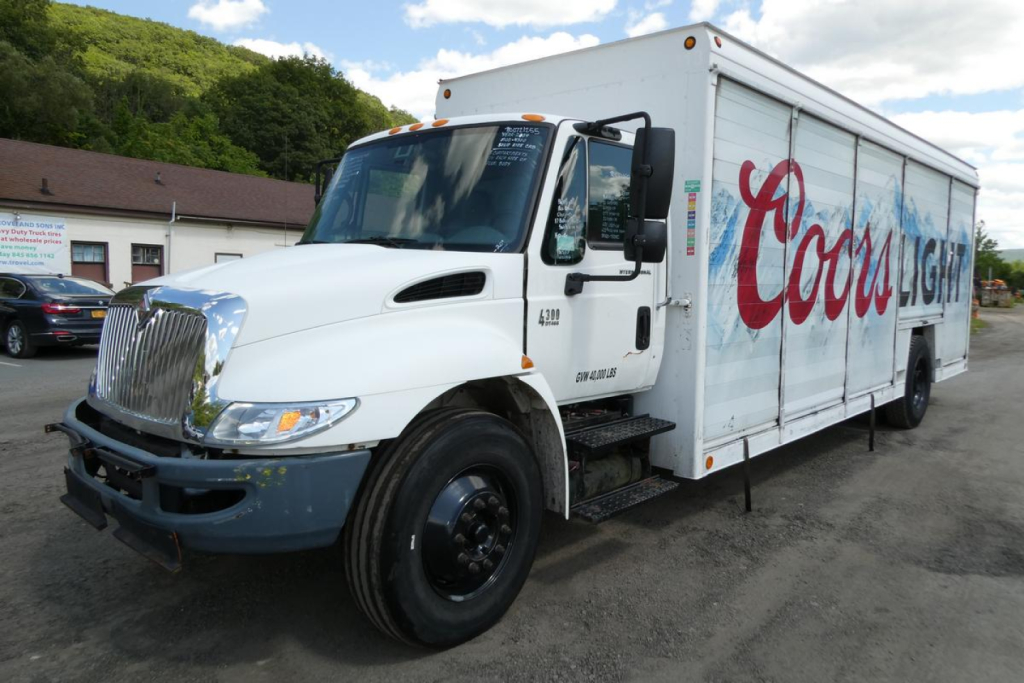
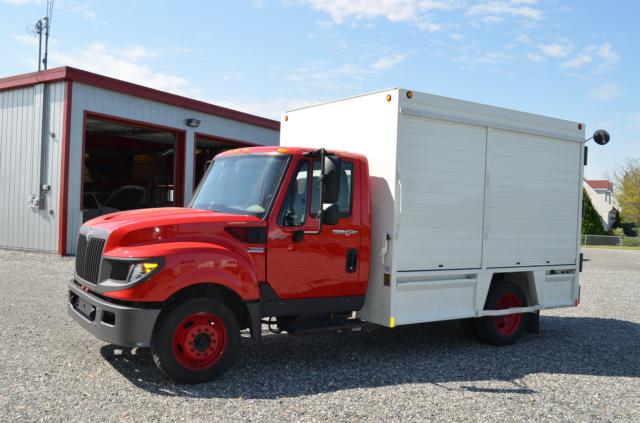
Have used beverage truck to sell? List it here to reach thousands of buyers.
About Used Beverage Trucks
Floor strength drives safety and uptime. On bay bodies, look for extruded aluminum or stainless channel floors with reinforced bay sills, anti-slip treads, and drain paths for washdowns. On van or reefer bodies, inspect crossmember spacing, ideally 12 inches or closer, extruded plank or laminated hardwood floors, and nose and side scuff liners to absorb pallet jack impacts. Threshold plates and rear frame caps should be straight and tight, and liftgates should be rated for your heaviest pallets, commonly 2,500 to 4,500 pounds, with solid platforms and tight pins.
Thermal integrity varies by configuration. Side-load bay trucks are typically non-refrigerated, they rely on quick turns and aluminum skins that reflect heat, a cost and weight saver with minimal temperature control. Insulated van bodies add foam thickness of 2 to 3 inches, sealed seams, and high quality door gaskets, they pair with a diesel or electric standby refrigeration unit sized for route stop counts and door openings. Multi-temp bulkheads, strip curtains, and low-leak roll-up doors improve holdover but add weight and cost, useful for beer and temperature-sensitive beverages.
Tare weight and corrosion resistance separate a low cost truck from a durable route asset. All-aluminum bodies and bay doors reduce tare and raise payload, while steel subframes need hot-dip galvanizing or epoxy coatings with isolators between dissimilar metals. Stainless hinges, latches, and drip channels resist sugar and acid exposure, sealed wiring and LED lighting reduce failures, and smooth interior liners with drains speed washouts. Chassis choices that help stop-and-go efficiency include air ride for product protection, spring for simplicity, automatic transmissions with PTO provision for liftgates or reefers, axle ratings sized to your typical payload, and wheelbases short enough for alleys without compromising weight distribution.
Frequently Asked Questions
What is the difference between a side-load bay beverage truck and an insulated or refrigerated beverage box?
A side-load bay truck is optimized for speed and curbside access. Multiple exterior doors and adjustable bays let drivers hand-load cases and kegs quickly with minimal dock time, but there is little temperature control. An insulated or refrigerated box protects product with foam insulation, sealed doors, and a reefer unit, which maintains temperature during long routes or hot weather. The trade-off is added tare weight, higher fuel and maintenance costs, and slightly slower stop times due to door management and temperature retention practices.
How do I assess floor strength on a used beverage truck?
Inspect material and structure. On van or reefer bodies, check crossmember spacing, closer spacing improves resistance to point loads from pallet jacks. Look for extruded aluminum plank or hardwood floors without soft spots, delamination, or cupping, and verify scuff liners protect walls from impacts. On bay bodies, examine bay sills, channels, and anti-slip surfaces for cracks or deformation, and confirm threshold plates and rear frame caps are straight. Operate the liftgate under load to check for deflection and listen for loose pins or bushings.
What factors most affect tare weight and payload on beverage trucks?
Body material and equipment drive tare. All-aluminum bays, lightweight liners, and aluminum wheels can remove hundreds of pounds compared to steel components. Refrigeration units, multi-temp bulkheads, and heavy duty railgates add significant weight, which reduces payload. Chassis GVWR, axle ratings, and wheelbase determine legal payload and weight distribution, so match equipment to your route mix and heaviest single-drop loads.
How can I evaluate corrosion resistance on a used beverage truck?
Look for hot-dip galvanizing or quality epoxy coatings on steel subframes and mounting hardware, as well as isolation pads between aluminum and steel to prevent galvanic reaction. Stainless hinges, latches, and drip channels resist sugar residue and frequent washdowns, and sealed LED lighting limits moisture intrusion. Check bay floors, door bottoms, and rear frame caps for pitting or swelling, and verify drains are open and liners are intact. Surface rust at welds and mounting points is common, but deep flaking or perforation signals costly repairs.
Which liftgate type is best for beverage delivery routes?
Railgates provide a large, level-ride platform and higher capacities for palletized loads, helpful for bulk soda or water. Tuckaway gates keep the rear door clear and improve dock access, good for mixed routes with occasional gate use. Level-ride functionality prevents product tipping, and a platform depth that fits a pallet jack simplifies handling. Choose capacity that covers your heaviest single pallet, and confirm the gate cycles smoothly with minimal drift or creep.