
Used Capacity Yard Trucks For Sale in Pennsylvania
Used Capacity yard trucks for sale in Pennsylvania. Compare Sabre terminal tractors with hydraulic fifth wheel, Cummins power, and DOT-ready specs.
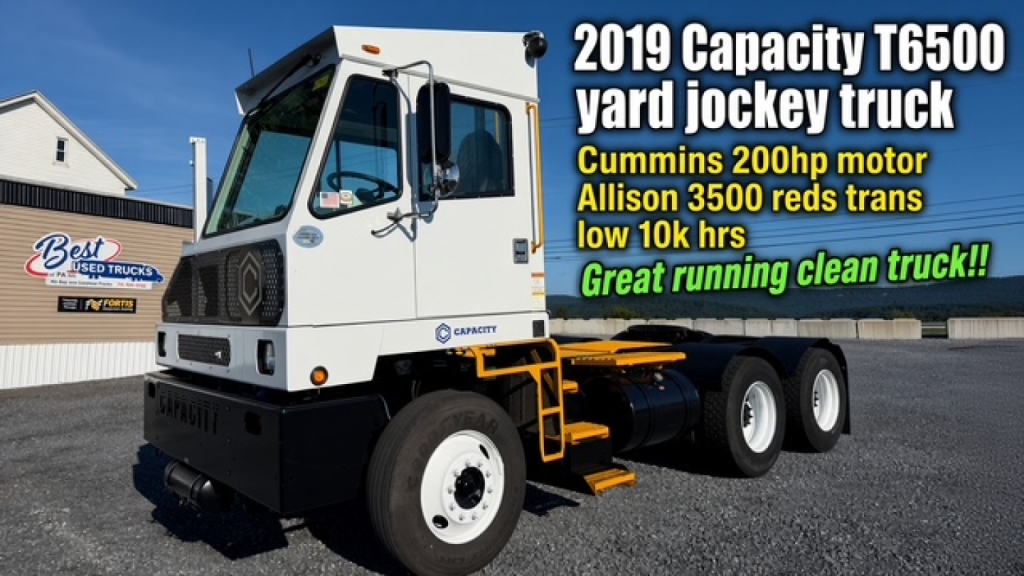
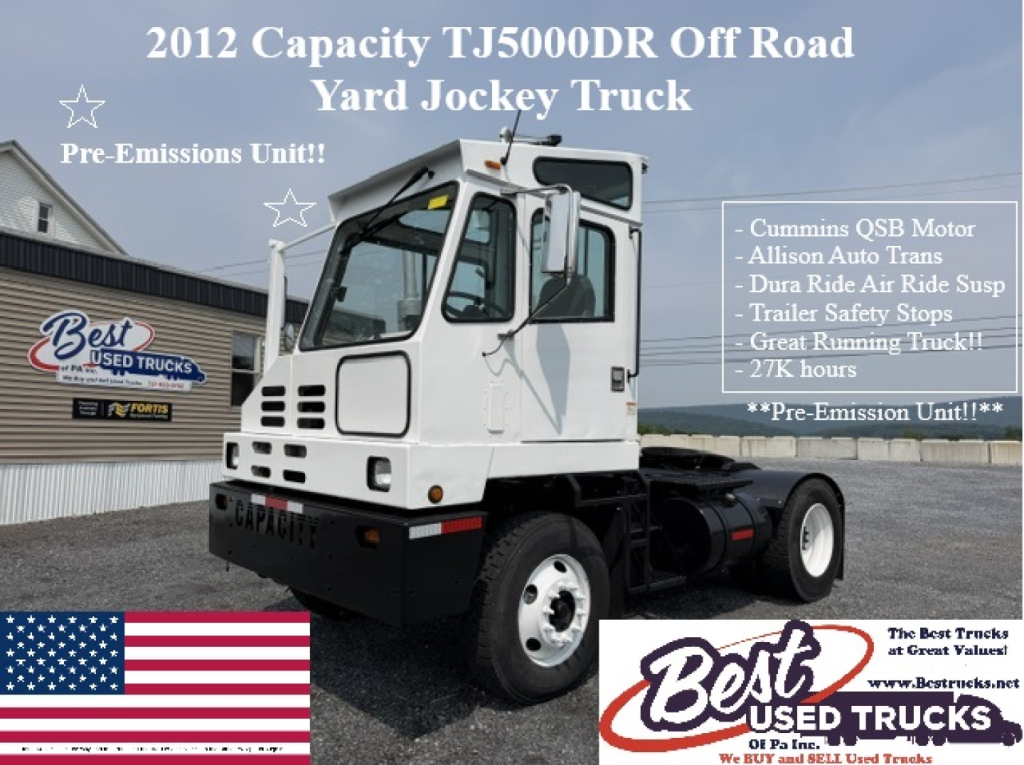
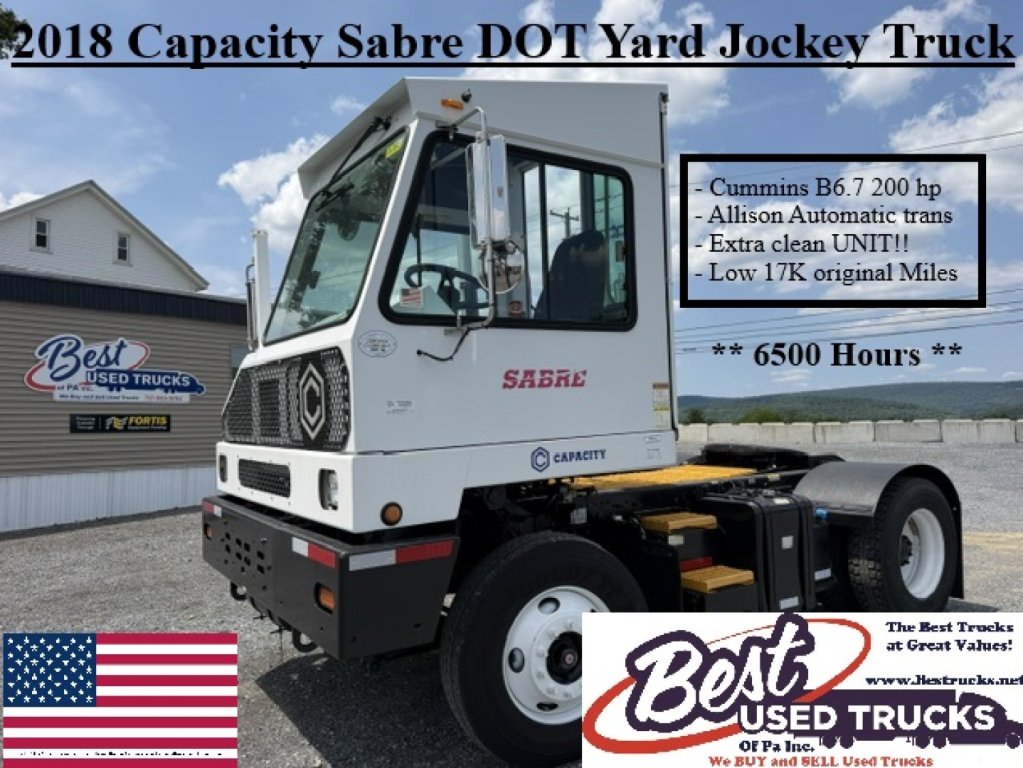
Have used capacity yard truck to sell? List it here to reach thousands of buyers.
Used Capacity Yard Trucks in Pennsylvania
One of the first decisions is whether you need a pure off-road yard tractor or a DOT-capable unit that can legally move trailers on public roads between nearby facilities. Many used Capacity Sabre models are spec'd as single-axle tractors with a hydraulic fifth wheel, often around a 70,000 lb lift rating, which speeds trailer coupling and helps reduce driver effort during repetitive switching. Common powertrains include the Cummins QSB6.7 paired with an Allison automatic, a combination buyers like for low-speed control, simple operation, and reduced clutch wear. Pay attention to axle ratings, rear ratio, wheelbase, and cab suspension because those specs affect turning radius, launch under load, ride quality, and how confidently the truck handles loaded van, reefer, and container chassis moves.
Hours matter as much as mileage on a yard truck, and in many cases more. A low-hour used Capacity can offer substantial value if the maintenance history is solid and the hydraulic fifth wheel, transmission, cooling system, and brake system have been serviced on schedule. Buyers should inspect frame condition, kingpin engagement, safety stops, electrical connections, cab entry steps, and signs of hard yard use such as dock impact damage or excessive slack in suspension and steering components. In Pennsylvania, corrosion control is a serious consideration, so it is worth looking closely at undercarriage condition, air lines, wiring, and any rust around the cab structure or fifth wheel mounts.
Cab comfort is not a small issue on this equipment class. Yard trucks involve constant entry and exit, high-visibility backing, and long hours of low-speed work, so details like air conditioning, air-ride cab suspension, mirror placement, and ergonomic controls directly affect productivity. A good used Capacity yard truck should make trailer spotting quick, predictable, and safe while keeping downtime low. If your operation runs multiple shifts or handles mixed trailer heights, focus on visibility, hydraulic lift performance, serviceability, and parts support before comparing cosmetics.
Frequently Asked Questions about Used Capacity Yard Trucks in Pennsylvania
What is the difference between a yard truck and a road tractor?
A yard truck is designed primarily for moving trailers within a terminal, warehouse yard, or distribution campus. It typically has a shorter wheelbase for tighter turns, a hydraulic sliding or lifting fifth wheel for quick trailer hookups, and a cab layout that supports frequent entry and exit. A road tractor is built for sustained highway travel, higher road speeds, and long-haul comfort. Some yard trucks are DOT-capable and can operate on public roads for short transfers, but they are still optimized for switching work rather than over-the-road service.
What should I look for when buying a used Capacity yard truck?
Start with total engine hours, service records, and the condition of the hydraulic fifth wheel system. Then inspect the transmission operation, brake response, cooling system, front and rear axle ratings, and any signs of structural fatigue around the frame or fifth wheel mounting area. On a used terminal tractor, wear from constant trailer contact is common, so check the rear frame, safety stops, lighting, electrical pigtails, and cab access points. In states like Pennsylvania, rust and corrosion on air lines, wiring, and chassis components deserve extra attention.
Are Capacity yard trucks available in DOT road-legal configurations?
Yes, some Capacity yard trucks are built or spec'd for DOT use, which allows them to travel on public roads when properly equipped and registered. These units usually include the required lighting, braking, mirrors, and road-going equipment needed for legal operation. Buyers should verify the exact DOT configuration, title status, and intended use because not every terminal tractor is set up the same way. A DOT-capable yard truck is especially useful for moving trailers between nearby plants, warehouses, or satellite lots.
Why is a hydraulic fifth wheel important on a terminal tractor?
A hydraulic fifth wheel allows the operator to raise and lower the trailer during coupling and uncoupling, which speeds up trailer spotting and reduces manual effort. That is one of the biggest productivity advantages of a yard truck compared with a standard road tractor. It helps when handling trailers with different ride heights and can reduce time spent cranking landing gear. On a used unit, buyers should confirm smooth lift operation, check for leaks, and inspect the locking mechanism and kingpin engagement surfaces for wear.
Is engine mileage or engine hours more important on a used yard truck?
Engine hours are usually the more meaningful measurement on a yard truck because these machines spend much of their life at low speed, idling, and performing repeated short moves rather than accumulating highway miles. A terminal tractor with modest mileage can still have significant wear if it has very high hours or poor maintenance. Buyers should weigh hours together with service history, idle time, transmission condition, cooling performance, and overall chassis wear to get a more accurate picture of remaining life.