
Commercial Trucks For Sale in Wisconsin
Trucks for sale in Wisconsin: compare day cabs, sleeper tractors, dumps and vocational specs optimized for cold weather, weight limits and Midwest lanes.
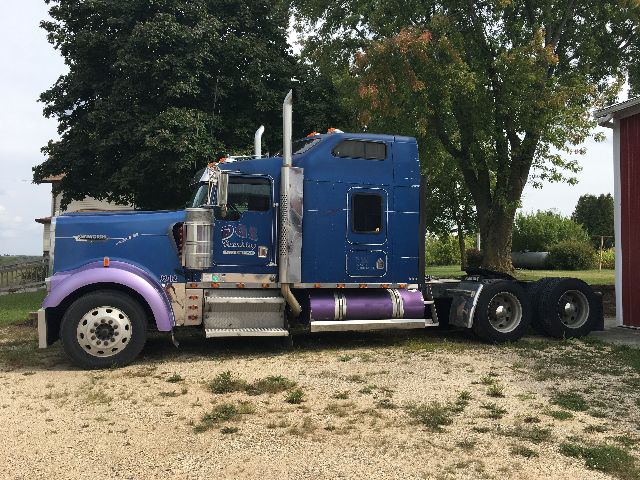
Selling a commercial truck? List your commercial truck for sale and reach thousands of commercial buyers.
Commercial Trucks in Wisconsin
For highway and regional routes on I-94, I-90, I-41 and I-43, most late-model sleeper and day cab tractors run 400-500 hp with 1,550-1,850 lb-ft torque and automated manuals like Eaton UltraShift, Detroit DT12 or Volvo I-Shift. Gear ratios in the 2.26-2.85 range pair well with overdrive and 22.5 LP tires for fuel efficiency, while a 3.08 or similar ratio offers better mixed-duty pull. A 6x4 with inter-axle and cross-locks is common in the Upper Midwest for stability and traction, even though some fleets run 6x2 for weight and mpg in milder markets.
Vocational trucks in Wisconsin see heavy service in aggregates, snow control, forestry, dairy and construction. Look for 14k-20k steer axles, 40k-46k rears, double-frame or insert liners where needed, front engine PTO or transmission PTO, and high-capacity cooling. Allison automatics dominate stop-and-go plow and refuse work, while AMTs or 18-speed manuals still appear in logging and heavy lowboy service. Lift axles and steerable pushers help with bridge compliance and axle group weights on municipal and county roads, especially during spring thaw restrictions.
When evaluating used trucks for sale in Wisconsin, inspect frame flanges and crossmembers for scaling, air and DEF lines for chafe and crystallization, cab mounts and suspension bushings for play, and radiator or charge air coolers for leaks. Verify aftertreatment history, DPF ash load and recent regens on emissions-era units, and confirm cold-start performance. Maintenance records, oil sample reports and a brake, hub and wheel-end inspection will help avoid surprises and protect total cost of ownership. Listings will span sleeper tractors, day cabs, dump trucks, box trucks and other vocational builds suited to Midwest freight and climate.
Frequently Asked Questions about Commercial Trucks in Wisconsin
What winter-ready specs are most important for trucks in Wisconsin?
Look for a 120V block heater, high CCA batteries, an Espar or Webasto bunk heater on sleepers, heated mirrors, winter grille cover, and fuel filter or line heaters. Traction aids like full locking differentials and appropriate drive tires make yard and site moves safer. Corrosion countermeasures matter in brine-heavy areas, so sealed electrical connectors, aluminum or galvanized crossmembers and undercoating add long-term value.
How should I choose engine power and axle ratio for Midwest lanes?
For regional and linehaul in Wisconsin and neighboring states, 400-500 hp with 1,550-1,850 lb-ft torque and an AMT is a proven baseline. Tall ratios around 2.26-2.64 with overdrive transmissions suit high-speed interstate work, while 2.79-3.08 offers better flexibility for mixed city-highway and rolling hills. Vocational trucks that pull heavy or operate off-road often benefit from 3.21-3.90 and a low gear or deep reduction for startability.
How do Wisconsin weight limits impact truck and axle configuration?
Plan around the federal 80,000 lb interstate limit and use the bridge formula and local postings on state and county roads. Spring thaw restrictions can tighten allowable axle loads on certain routes, so fleets often add lift or steerable pusher axles on dumps and mixers to distribute weight. Always confirm current state and local rules before spec’ing or routing, since exemptions and permits vary by commodity and roadway.
What should I look for when inspecting a used truck from a salt-belt region?
Check frame rails, suspension hangers, fifth-wheel mounts, brake chambers, air tanks and fasteners for rust or pitting. Examine wiring harnesses for corrosion at connectors, and look for leaks at the radiator and charge air cooler. Review aftertreatment service records, including DPF cleaning or replacement and DEF system repairs. A thorough road test plus oil and coolant samples help reveal hidden issues.
Should I choose a day cab or sleeper for Wisconsin operations?
Match the cab to your duty cycle and lanes. Day cabs are efficient for local and regional routes with terminal turns in Milwaukee, Green Bay, Madison or the Twin Cities corridor. Sleepers in the 60-76 inch range suit multi-night runs across the Midwest and Great Lakes, where idle-reduction equipment like APUs or bunk heaters reduces fuel burn and keeps drivers comfortable in winter.