
Commercial Trucks For Sale Near Windham, Ohio

Have commercial truck to sell? List it here to reach thousands of buyers.
Commercial Trucks Near Windham, Ohio
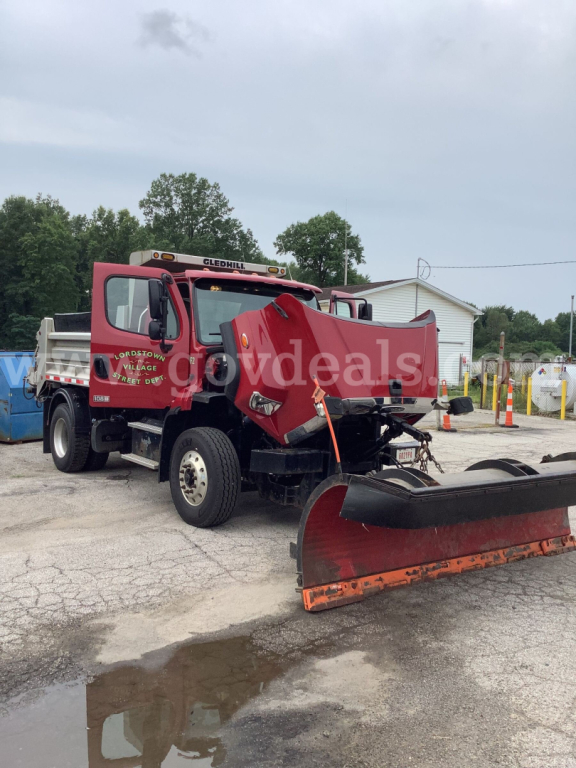
A buyer should start with the chassis and drivetrain before looking at body condition. Key specs include GVWR, axle configuration, wheelbase, engine horsepower and torque, transmission model, suspension type, and brake setup. For dump and plow applications, front axle capacity matters because a plow frame, blade, and hydraulics add substantial weight ahead of the bumper. Many trucks in this class run single axles with set-forward or set-back front axles, and they may be equipped with locking differentials, aggressive vocational tires, and heavier front springs to support municipal snow equipment. If the truck has a dump body, confirm body length, hoist type, floor material, and whether the hydraulics are engine-driven or PTO-driven.
In Northeast Ohio, rust, corrosion control, and underbody condition deserve extra attention. Trucks used for salting and winter road service often show wear at the frame, crossmembers, brake and fuel lines, wiring, spreader mounts, cab corners, and body seams. Stainless dump bodies, stainless spreaders, and poly plows can reduce corrosion-related upkeep, but they do not eliminate the need to inspect the truck underneath. Maintenance history is especially valuable on municipal and contractor trucks because some fleets follow strict service intervals and indoor storage practices. Low mileage can be attractive, but engine hours, PTO hours, idle time, and overall hydraulic condition often tell more about how a vocational truck has actually been used.
The best truck for sale in this category depends on the work mix. A straight dump truck is a solid fit for hauling stone, dirt, millings, mulch, and debris. A plow truck or dump truck with plow and spreader package is better suited for road departments, townships, campuses, and contractors handling winter maintenance. Buyers comparing listings should verify attachment compatibility, plow mount condition, wing provision if equipped, spreader type, lighting and control systems, and any removed service equipment. A well-matched vocational truck can save money immediately by reducing upfit work and putting the right axle, body, and hydraulic package into service from day one.
Frequently Asked Questions about Commercial Trucks Near Windham, Ohio
What should I look for first when buying a used dump or plow truck?
Start with the truck’s intended job, then confirm the chassis can support it. Front axle rating, rear axle ratio, GVWR, engine horsepower, transmission, PTO setup, and hydraulic condition matter more than paint or interior cosmetics. On plow-equipped trucks, verify the front frame horns, plow mount, hydraulics, and electrical controls are intact and not fatigued. On dump trucks, inspect the hoist, hinge points, body floor, and tailgate operation. A truck can look clean and still be wrong for the payload or front-end weight it needs to carry.
Are automatic transmissions common in vocational trucks like these?
Yes. Automatic transmissions, especially Allison models, are very common in dump trucks, municipal trucks, and snow plow applications. They simplify stop-and-go operation, improve drivability for multiple operators, and work well in snow service, site work, and frequent backing situations. Buyers should still confirm the exact transmission model, service records, and whether it is matched correctly to the engine torque and gross vehicle weight rating.
Why is front axle capacity so important on a plow truck?
A snow plow adds significant weight to the front of the truck, and that load is carried ahead of the axle where leverage increases stress on the suspension and steering components. If the front axle, springs, and frame are not rated for the plow package, the truck can wear components quickly and may not be legal or safe when fully equipped. Buyers should verify the axle rating on the door tag or build sheet and compare it to the plow, wing, hitch, and hydraulic equipment installed.
How do I judge condition on a truck that has done snow and ice work?
Corrosion inspection is critical. Check the frame rails, crossmembers, dump body supports, cab mounts, brake lines, wiring, spreader chains, hydraulic lines, and the areas behind and under the cab. Salt exposure can affect electrical systems and fasteners long before it becomes obvious in photos. Also review engine hours, idle time, maintenance intervals, and storage history. A truck with documented service and indoor storage can be a better buy than one with lower mileage but heavier corrosion and deferred repairs.
Is a combination dump truck with plow and spreader better than a standard dump truck?
It depends on the work cycle. A combination unit can be highly efficient for municipalities, commercial snow contractors, and property maintenance operations that need one truck to haul material and perform winter road service. It can reduce the need for separate seasonal equipment. A standard dump truck may be the better choice if the truck’s primary role is construction hauling and the added weight, mounts, and maintenance of plow gear would not be used often enough to justify it.