
Trucks For Sale Near Williamsport, Maryland
Browse trucks for sale in Williamsport, Maryland, including vocational and highway models with diesel power, multiple GVWR classes, and body options.
Learn more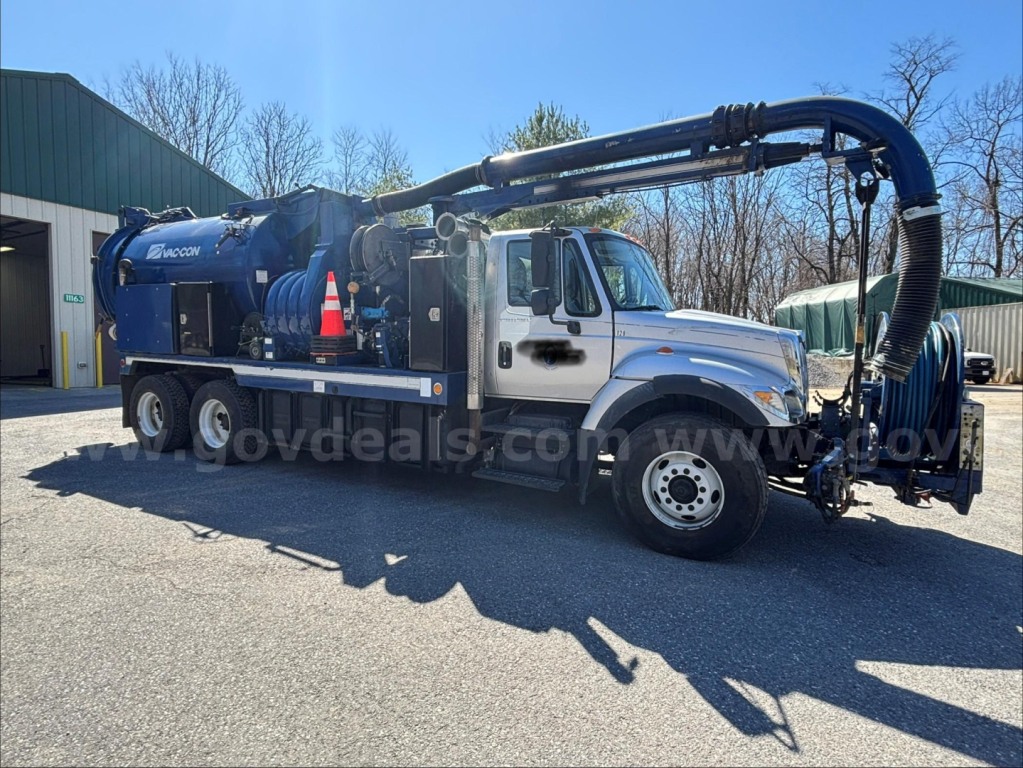
Have truck to sell? List it here to reach thousands of buyers.
About Trucks Near Williamsport, Maryland
For medium-duty and severe-service trucks, common platforms include diesel-powered chassis from International, Freightliner, Ford, Kenworth, Mack, and Peterbilt. These trucks are often selected for utility work, sewer and water departments, refuse support, vacuum service, or equipment transport. Key details include suspension rating, front axle capacity, rear axle ratio, frame strength, brake type, and whether the truck has locking differentials or other vocational features. On specialty units such as vacuum trucks, buyers should inspect not just the cab and chassis mileage, but also the hours and condition of the auxiliary engine, pump system, tank construction, hose storage, flushing components, and PTO-driven or auxiliary-driven equipment.
For over-the-road and regional use, truck buyers typically compare sleeper or day cab configuration, engine horsepower, torque, transmission type, fuel capacity, and emissions system history. A fleet buyer may prioritize standardized drivetrains and maintenance records, while an owner-operator may focus more on wheelbase, comfort features, and rear axle gearing. In Maryland, regional terrain, seasonal weather, and routing into urban corridors can also make turning radius, bridge-law compliance, and axle spacing more important than headline horsepower alone.
Condition matters as much as spec. Service records, engine hours, idle hours, rust exposure, frame condition, brake life, tire date codes, and evidence of PTO or hydraulic wear can tell more than odometer mileage by itself. On used trucks, it is smart to verify body upfit compatibility, emissions compliance, CDL implications, and any municipal or government service history. A well-matched truck should fit the load, the route, and the body or equipment it needs to carry, not just meet a price target.
Frequently Asked Questions
What should I look for first when comparing trucks for sale?
Start with the truck’s intended application, then match the truck’s GVWR, axle setup, wheelbase, and drivetrain to that job. A truck used for hauling equipment, supporting utility work, or running a vacuum system needs very different frame, suspension, and PTO specifications than a highway tractor or general delivery unit. Once the application is clear, compare engine ratings, transmission type, brake configuration, and body compatibility.
How important is mileage on a used truck?
Mileage matters, but it should be evaluated alongside engine hours, idle hours, maintenance history, and overall chassis condition. A truck with moderate mileage and strong service records can be a better buy than a lower-mileage unit with poor maintenance, corrosion, or heavy PTO use. On vocational trucks, auxiliary equipment condition can be just as important as the cab and chassis mileage.
What are common truck configurations for vocational work?
Vocational trucks are commonly spec’d with heavier front axles, reinforced frames, PTO provisions, automatic or manual transmissions suited to stop-and-go work, and suspension packages built for uneven job sites. Depending on the application, buyers may also need dual steering boxes, locking rear differentials, high-capacity cooling systems, hydraulic plumbing, or body-builder wiring. These details have a direct effect on durability and upfit flexibility.
Are specialty trucks like vacuum trucks evaluated differently than standard chassis trucks?
Yes. In addition to normal cab and chassis checks, a specialty truck should be evaluated for pump condition, tank integrity, hose systems, controls, water capacity, vacuum performance, and the status of any auxiliary engine or flushing equipment. Buyers should also confirm the truck’s legal operating weight when the tank is full, since payload and axle capacity are critical on vacuum and liquid-handling applications.
Why does location matter when shopping for trucks in Maryland?
Local operating conditions affect what truck specs make sense. In Maryland, buyers often need trucks that can handle mixed rural and urban routes, seasonal weather, and roads with tighter access than long-haul interstate work. That can make wheelbase, turning radius, axle spacing, corrosion condition, and brake performance especially important when comparing used trucks in the region.