
Commercial Trucks For Sale Near Williamsburg, Iowa
Have commercial truck to sell? List it here to reach thousands of buyers.
Commercial Trucks Near Williamsburg, Iowa
One of the most important buying decisions is weight capacity. GVWR, front and rear GAWR, wheelbase, and frame strength determine what a truck can legally and practically carry. Powertrain also matters. Gas engines are common in lighter commercial trucks and municipal fleets because they are simpler for shorter routes and lower annual miles, while diesel options are often preferred for torque, towing, and sustained heavy use. Buyers should also look closely at transmission type, 4x2 versus 4x4 capability, brake setup, suspension design, and PTO compatibility if the truck will run a dump body, plow, compressor, crane, or other auxiliary equipment.
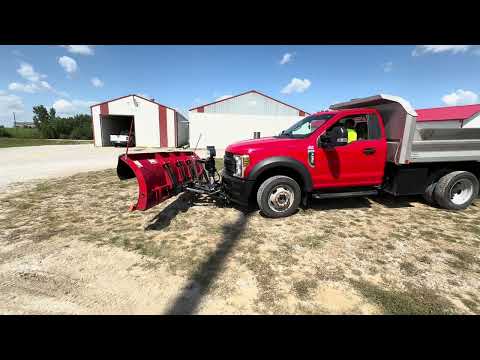
In Iowa, seasonal conditions make spec choices especially important. Four-wheel drive, snow plow prep, limited-slip or locking rear differentials, and corrosion-resistant bodies can add real value for trucks that work through winter. Dump trucks and work trucks used in road maintenance, construction, landscaping, and agriculture often benefit from stainless steel or well-protected steel bodies, strong hydraulic systems, and upfitting already matched to the chassis. Cab configuration also affects day-to-day usability. Regular cabs maximize body length on a shorter wheelbase, while crew cabs add passenger capacity for field crews, utility work, and municipal departments.
Condition should be evaluated beyond mileage alone. Engine hours, idle hours, maintenance history, tire condition, brake wear, hydraulic performance, rust exposure, and frame condition tell a more complete story on a commercial truck. Body integrity, hoist operation, plow mounts, electrical controls, and signs of hard vocational use deserve close inspection. Also known broadly as work trucks, vocational trucks, or commercial trucks depending on configuration, this equipment category includes some of the most versatile units in the market. The right truck is the one whose chassis, drivetrain, and body setup already align closely with the work it will perform.
Frequently Asked Questions about Commercial Trucks Near Williamsburg, Iowa
What should I look at first when comparing trucks for sale?
Start with the truck’s job and its weight requirements. GVWR, axle ratings, wheelbase, body type, and drivetrain should match the actual load, terrain, and duty cycle. A truck may look similar on paper to another unit, but differences in rear axle capacity, suspension, PTO capability, or cab-to-axle dimensions can determine whether it will handle a dump body, tow equipment safely, or support specialized upfits.
Is a gas or diesel truck better for commercial use?
It depends on mileage, load, and application. Gas trucks are often a practical choice for lighter-duty work, shorter trips, municipal service, and fleets that want lower acquisition cost and simpler maintenance. Diesel trucks usually make more sense for heavier payloads, towing, and sustained use where torque and fuel efficiency under load matter more. The better option is the one that fits the truck’s actual work cycle, not just the badge on the hood.
Why do engine hours and idle hours matter on used trucks?
Hours help show how the truck was used beyond odometer miles. A truck with moderate mileage but high idle hours may have spent long periods powering accessories, warming up in winter, or operating in stop-and-go municipal service. That can affect engine wear, emissions components, and maintenance needs. On vocational trucks with hydraulics, plows, or PTO-driven equipment, hours can be especially useful in understanding total operating life.
What features matter most on a dump or winter-service truck?
Buyers should focus on hydraulic condition, PTO operation, hoist performance, body material, and drivetrain traction. For winter-service use, front plow mounts, in-cab controls, 4x4 capability, spreader compatibility, charging system capacity, and corrosion resistance are all important. Stainless dump bodies and well-maintained electrical and hydraulic systems can reduce downtime in harsh weather and road salt exposure.
How important is rust when buying a truck in the Midwest?
Rust is a major consideration because it affects both appearance and structural life. Surface corrosion is common, but buyers should inspect the frame, crossmembers, cab corners, brake and fuel lines, body mounts, plow hardware, and dump body substructure for deeper damage. In regions with winter road treatment, corrosion can become a repair-cost issue quickly, especially on trucks used for snow removal, municipal work, or year-round outdoor storage.