
Commercial Trucks For Sale Near Westwego, Louisiana
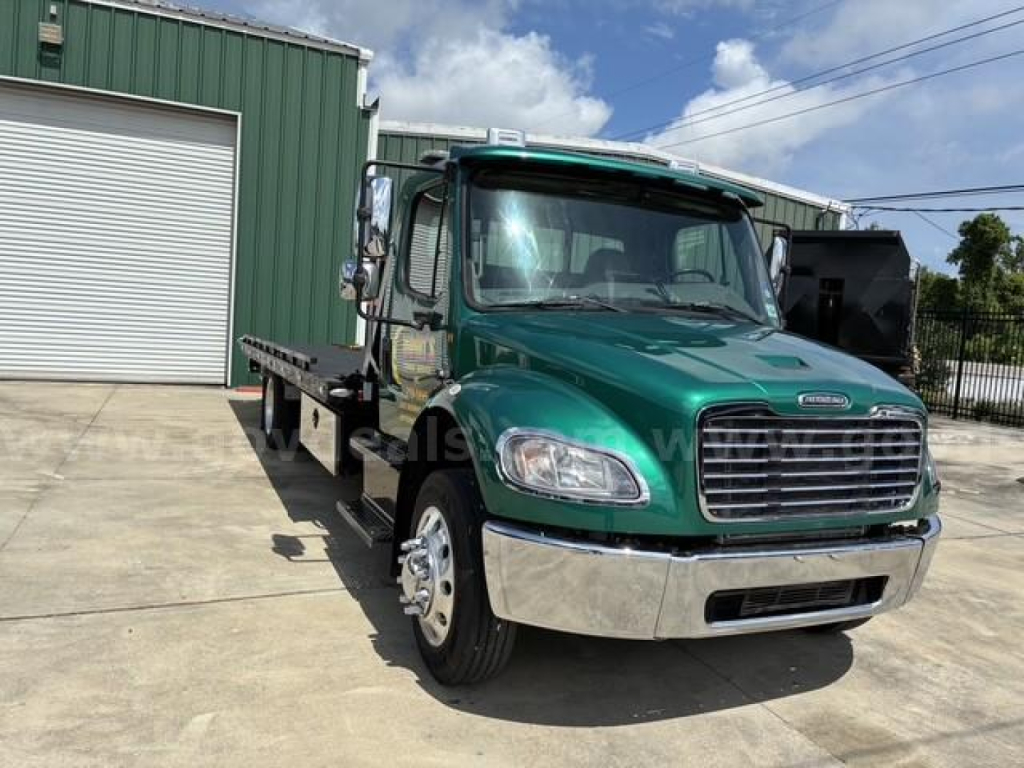
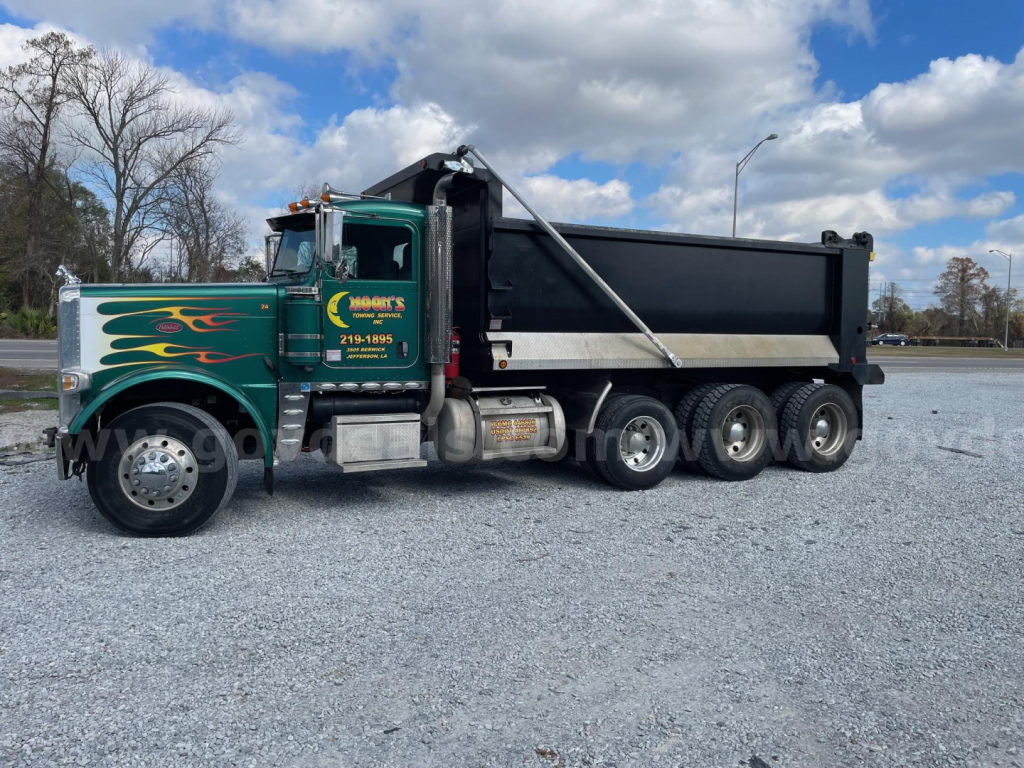
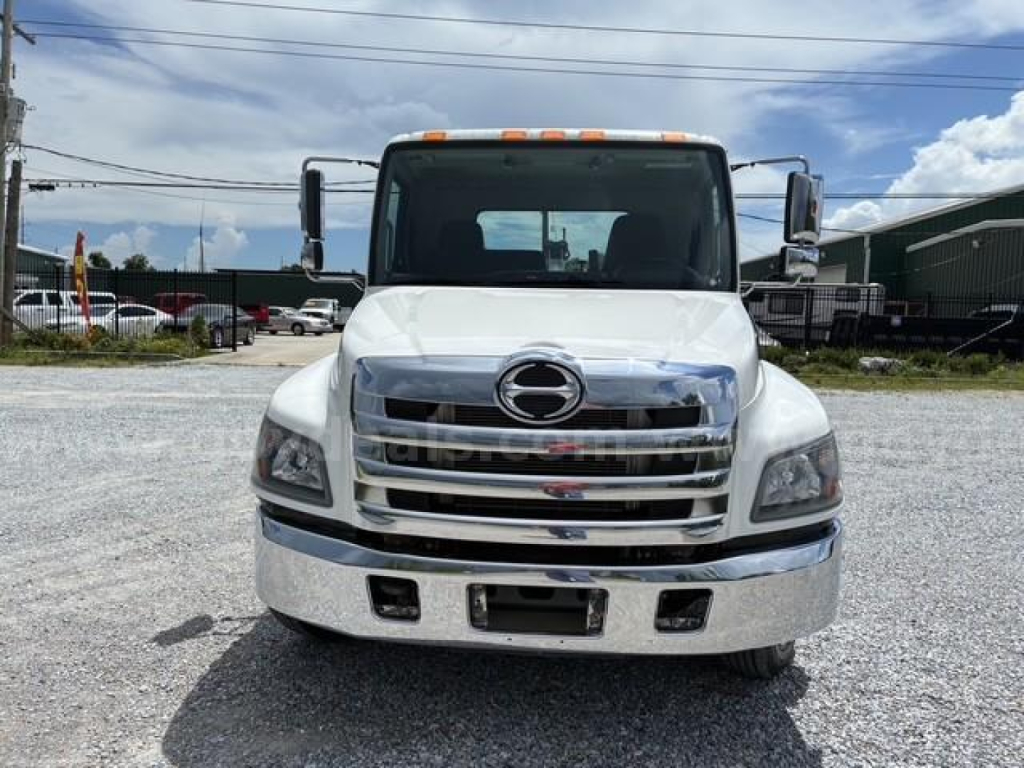
2018 Hino Conventional Cab
66,077 mi
Have commercial truck to sell? List it here to reach thousands of buyers.
Commercial Trucks Near Westwego, Louisiana
For dump truck shoppers, the key decisions are body capacity, axle setup, suspension, and transmission. Tandem axle 6x4 dumps are common for aggregate, dirt, demolition, and municipal work, while single axle units can make sense for tighter routes and lower bridge formulas. Buyers should confirm body size in yards, hoist condition, liner wear, tailgate function, tarp system operation, and PTO engagement. On tractor and day cab models, focus on wheelbase, fifth wheel placement, rear axle ratio, and whether the truck is set up for local hauling, transfer work, or vocational trailer service. Cab and chassis trucks appeal to buyers planning to mount a service body, rollback, flatbed, box, or specialty body, so clear frame length and upfit compatibility are critical.
Powertrain choices in this category often include diesel engines from Cummins, Caterpillar, International, and Detroit, paired with manual, automated manual, or automatic transmissions. A Class 7 refrigerated straight truck may be built for local and regional delivery with a medium-duty diesel and reefer unit sized for multi-stop route work. Heavy-duty vocational trucks often use 10-speed or 18-speed transmissions and heavier rear suspensions to handle jobsite loads. Buyers should look beyond horsepower and check GVWR, front and rear axle ratings, brake type, tire condition, emission system status, and maintenance history. On used trucks, engine hours, idle time, and evidence of regular PM service can tell you more than mileage alone.
In southern Louisiana service, trucks are often exposed to heat, humidity, standing water, and stop-and-go duty cycles. That makes inspection of electrical systems, air systems, suspension bushings, hydraulic lines, and underbody rust especially important. If the truck has vocational equipment, inspect the body mounts, crossmembers, PTO, wet kit components, and any signs of frame modification. Buyers comparing multiple listings should match the truck to the actual work cycle first, then verify legal payload, upfit needs, and serviceability. A truck that is correctly spec'd for route length, terrain, and payload will usually outperform a cheaper unit that needs rework before it can earn.
Frequently Asked Questions about Commercial Trucks Near Westwego, Louisiana
What should I look for first when buying a used truck in this category?
Start with the truck’s intended job, then verify the core specs that support that job. For a dump truck, that means axle configuration, body size, GVWR, suspension, PTO operation, and hoist condition. For a refrigerated truck, it means box dimensions, reefer hours, insulation condition, door seals, and liftgate needs. For a tractor or cab and chassis, check wheelbase, frame length, rear axle ratio, and whether the truck is already configured for your trailer or body installation. After that, review engine, transmission, brakes, tire wear, service records, and signs of corrosion or hard vocational use.
What is the difference between a cab and chassis truck and a completed straight truck?
A cab and chassis truck is sold with the cab and frame rails in place but without a completed work body, which allows the buyer to install a dump body, flatbed, service body, box, wrecker, or another specialized upfit. A completed straight truck already has the body mounted and is ready for a specific application such as refrigeration, delivery, or utility work. Cab and chassis units offer more flexibility, but the buyer needs to confirm frame dimensions, axle ratings, and any PTO or electrical provisions required for the body they plan to install.
Is mileage the most important factor on a used vocational truck?
No. Mileage matters, but on vocational and municipal trucks, engine hours, idle time, maintenance consistency, and body condition are often just as important. A lower-mile truck that spent years idling on jobsites or carrying heavy loads can show more wear than a higher-mile unit used in lighter regional service. Hydraulics, suspension, frame condition, transmission performance, and PTO function can have a direct effect on repair costs and uptime, so buyers should evaluate the entire truck rather than relying on odometer readings alone.
What specs matter most on a used dump truck?
The most important dump truck specs are axle configuration, body capacity, axle ratings, suspension type, transmission, and hoist system condition. Buyers should also confirm the body material, floor and sidewall wear, tailgate style, tarp system, tire condition, and brake setup. If the truck will work in soft ground or on construction sites, traction aids, differential locks, and suspension durability can be more important than cab trim or cosmetic condition. Payload legality matters too, so the truck’s empty weight and registration needs should be reviewed before purchase.
Why does regional location matter when buying a truck in Louisiana?
Regional location affects corrosion, cooling performance, and how a truck has likely been used. In Louisiana, heat and humidity put extra demand on radiators, charge air coolers, air conditioning systems, wiring, and seals. Trucks working near the coast or around flood-prone areas may also show more rust, electrical issues, or underbody wear than similar trucks from drier inland markets. Buyers should inspect the frame, crossmembers, air tanks, wiring connections, hydraulic lines, and body mounts closely and confirm that the cooling system and A/C are operating correctly.