
Commercial Trucks For Sale Near Westminster, Colorado
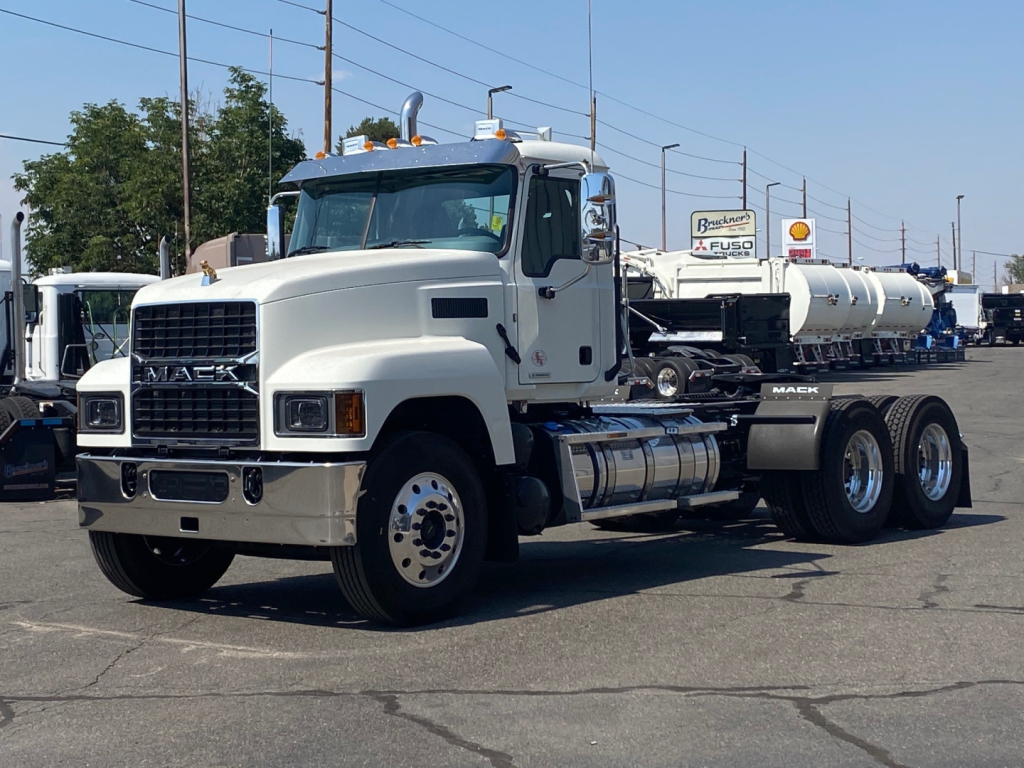
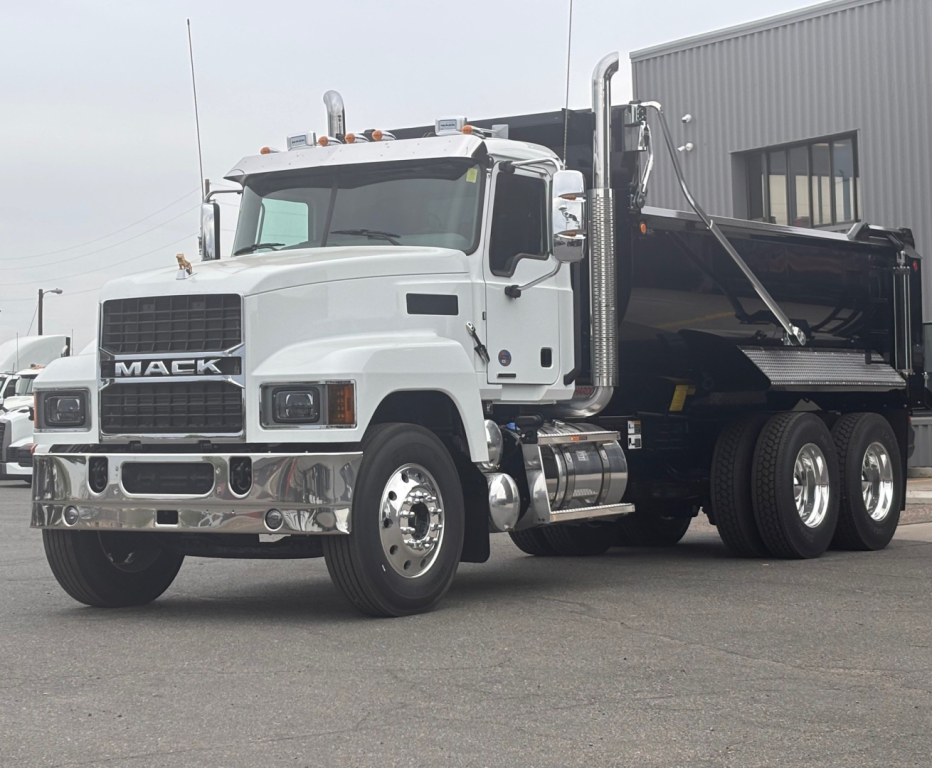
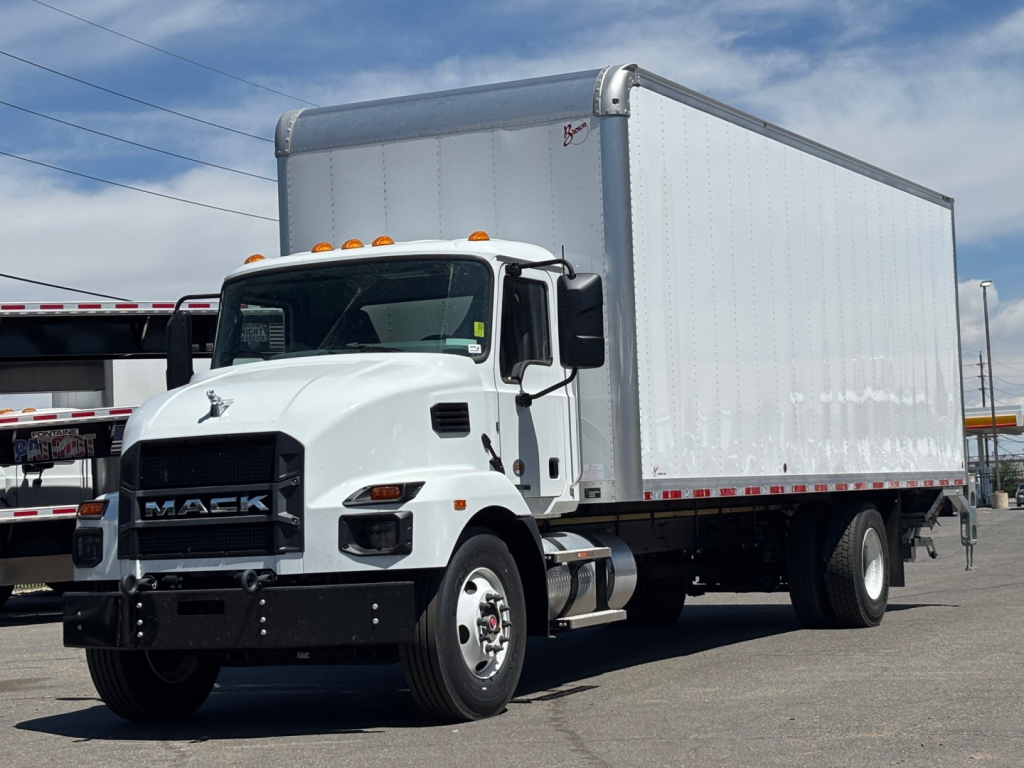
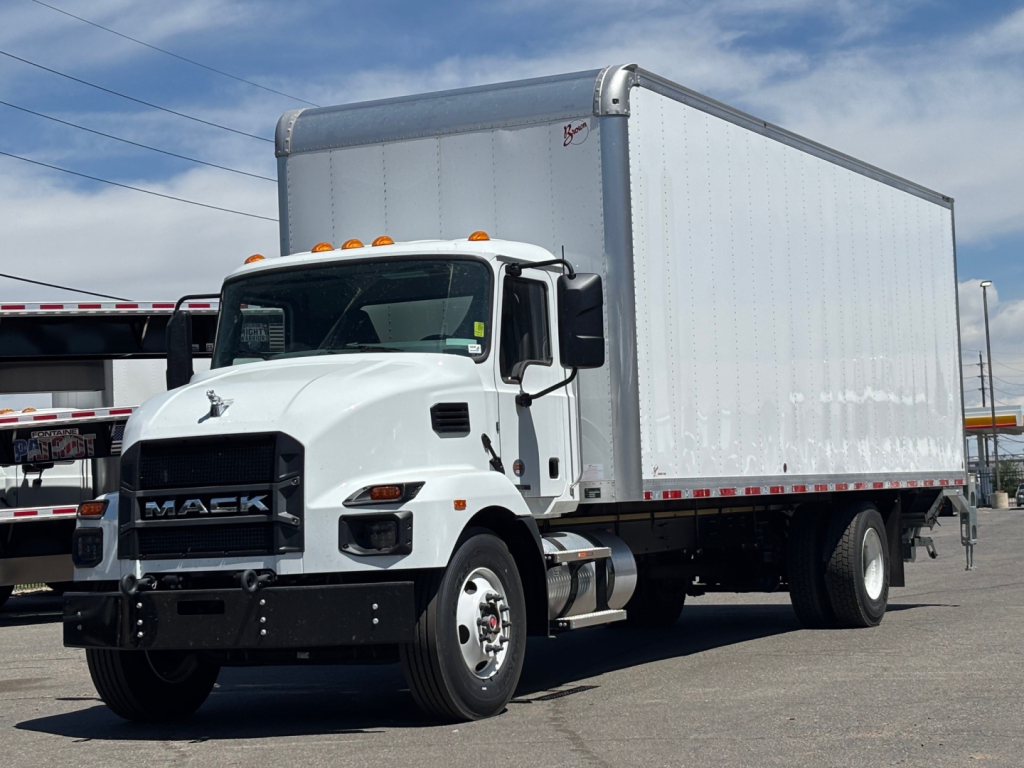
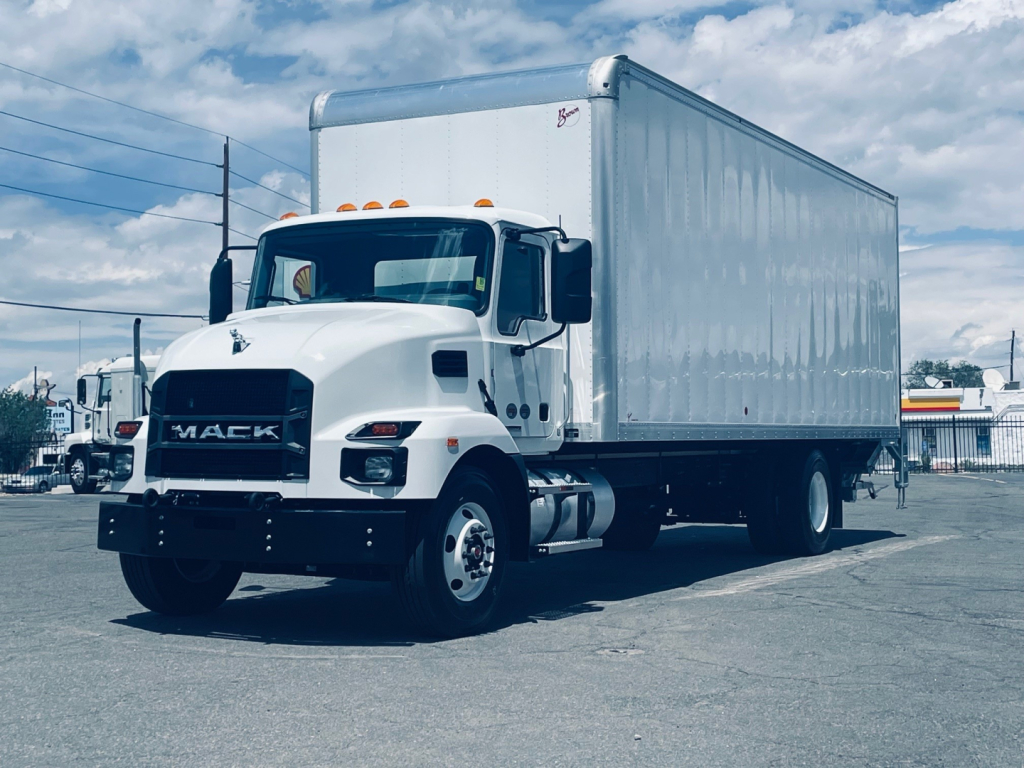
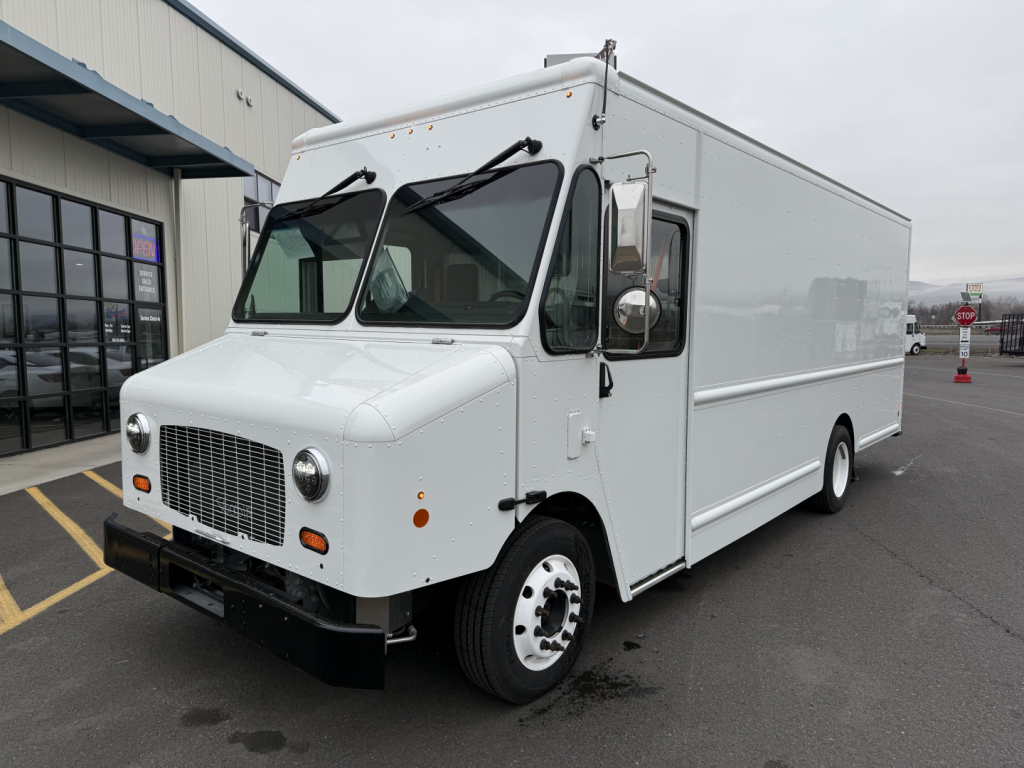
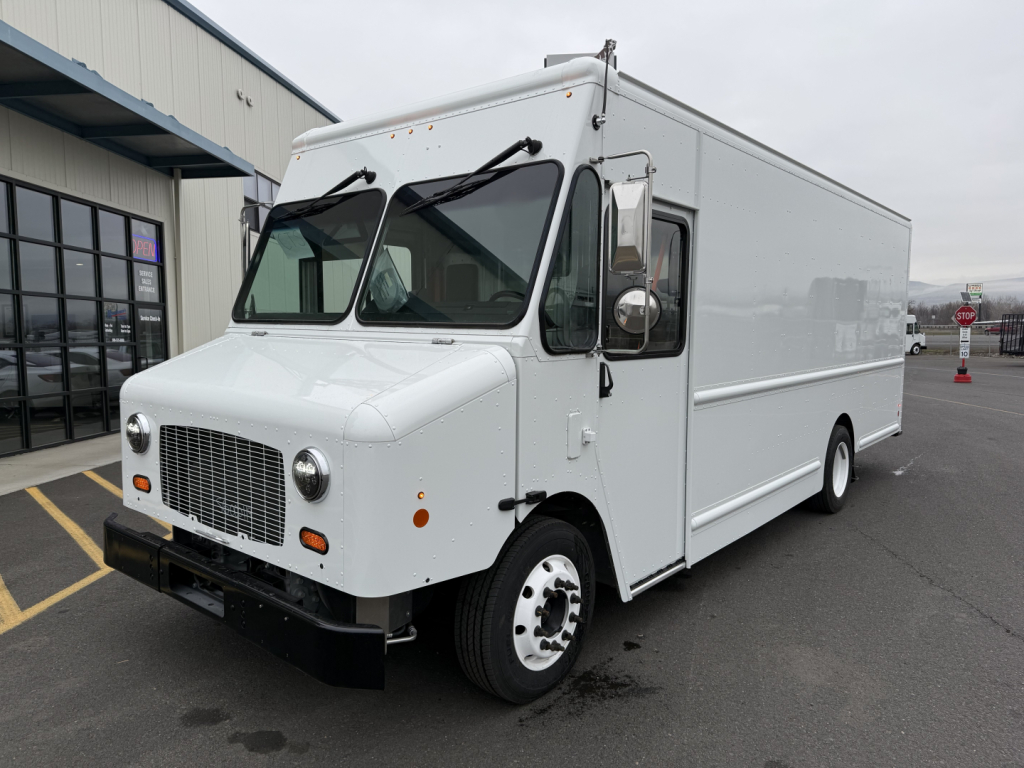
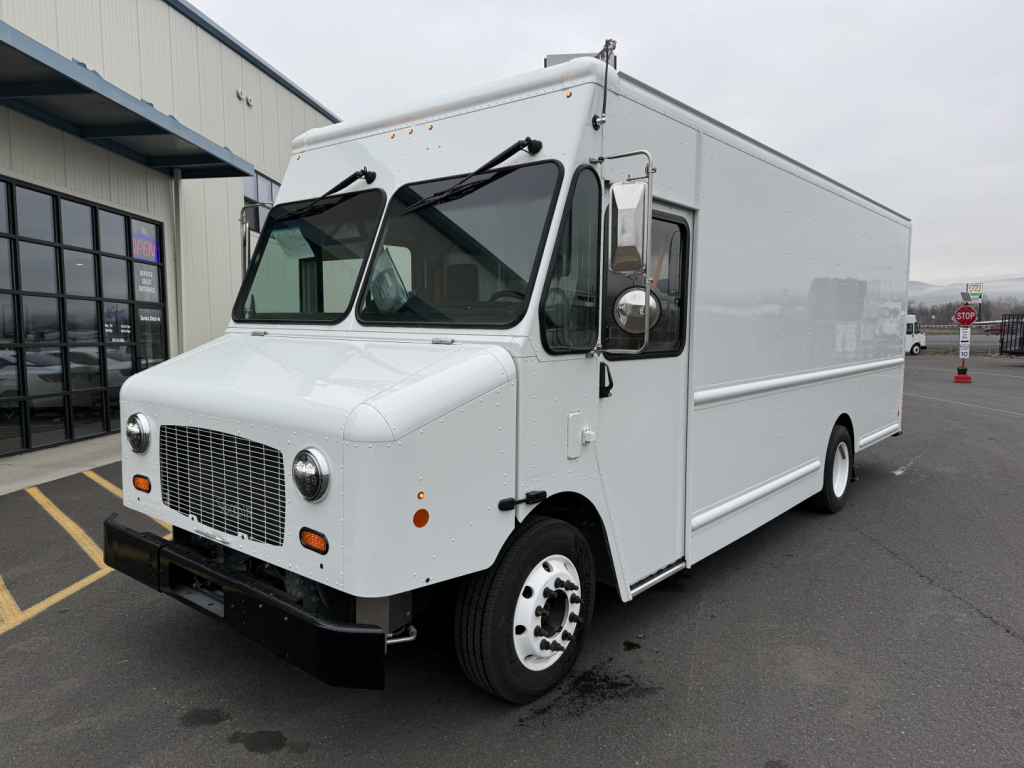
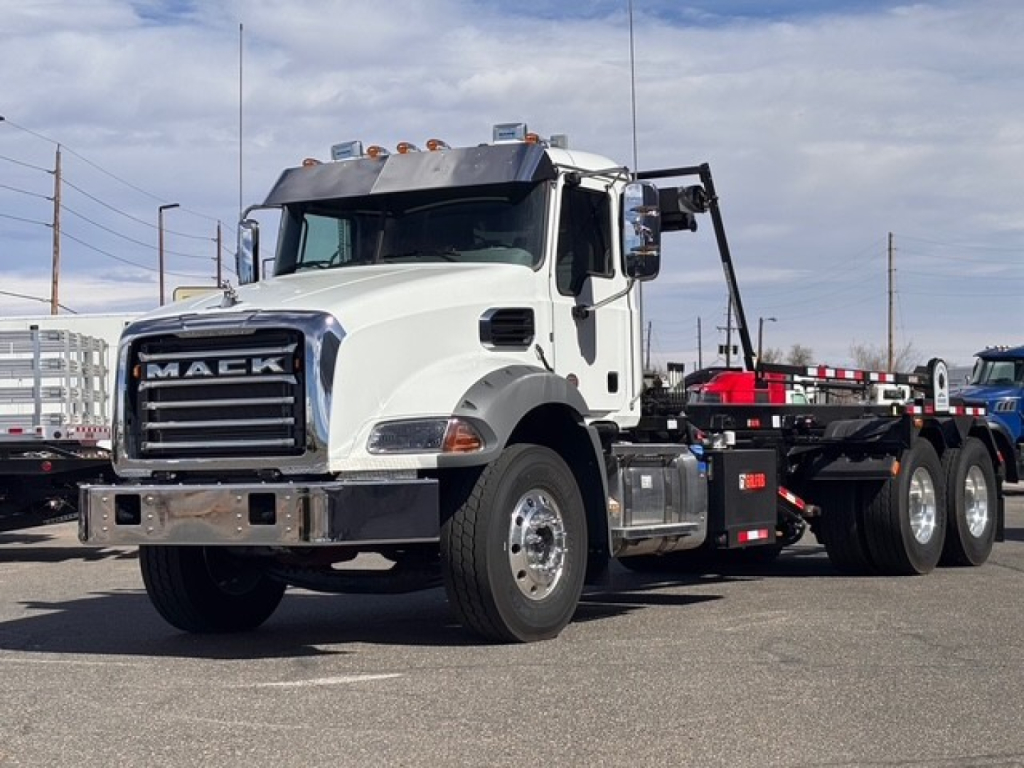
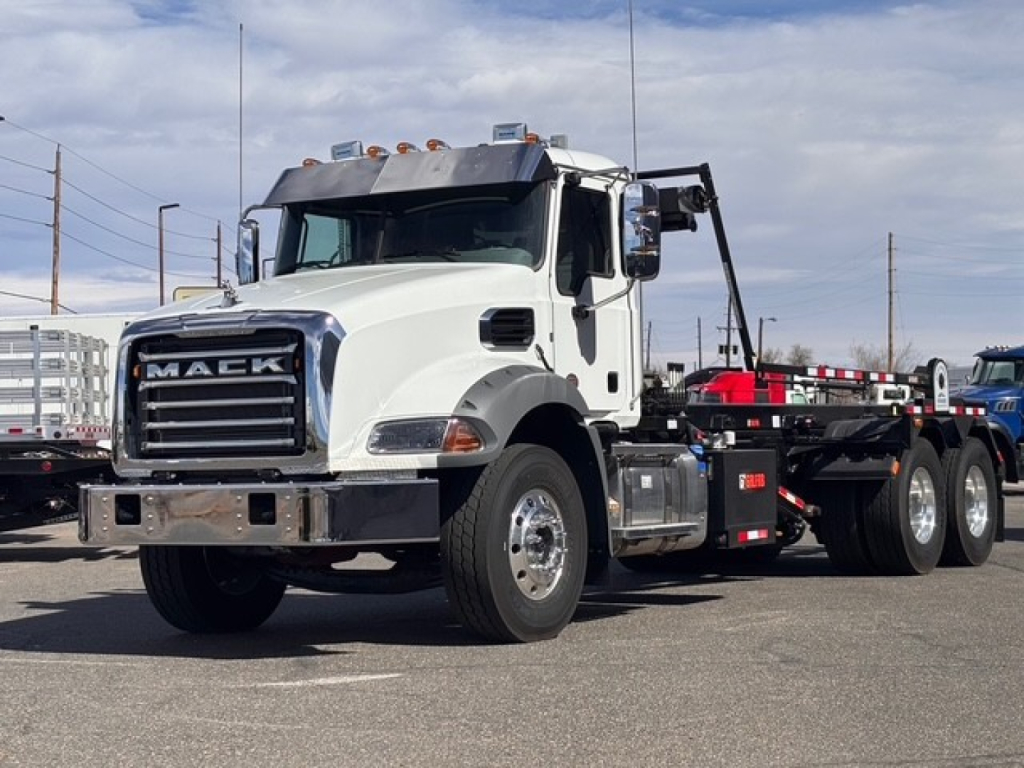
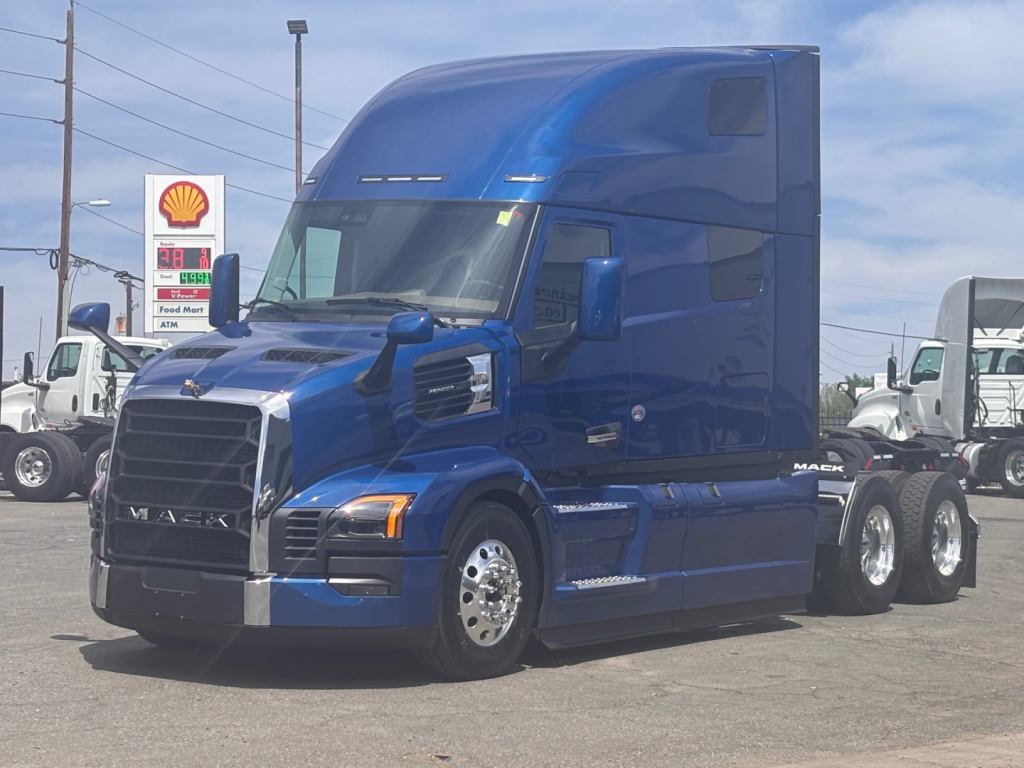
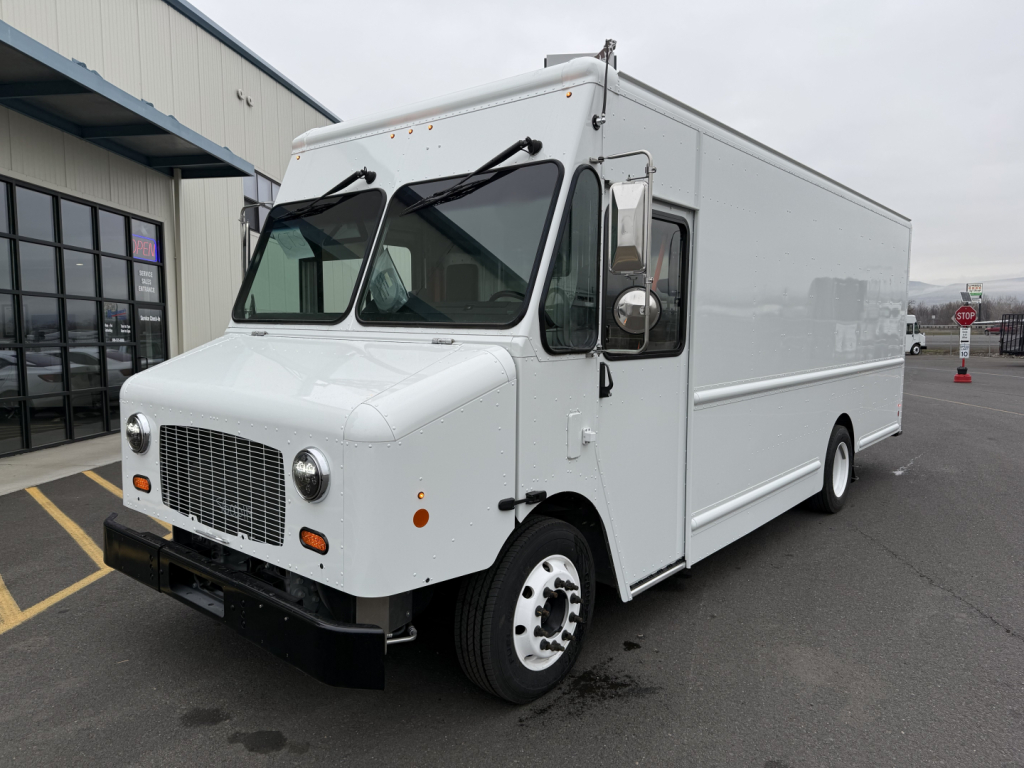
Showing 1 to 24 of 80 results
Have commercial truck to sell? List it here to reach thousands of buyers.
Commercial Trucks Near Westminster, Colorado
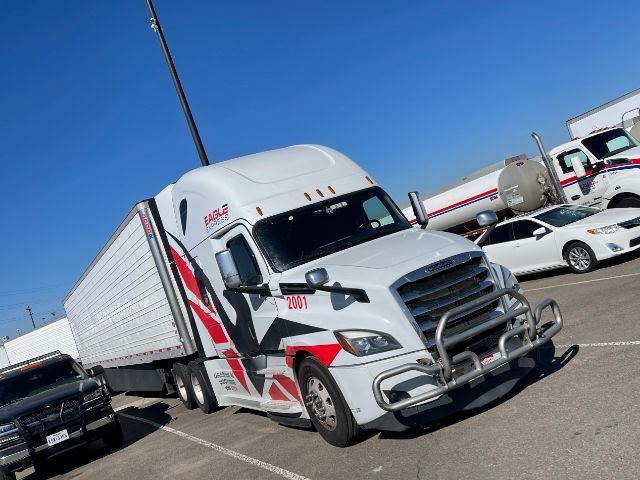
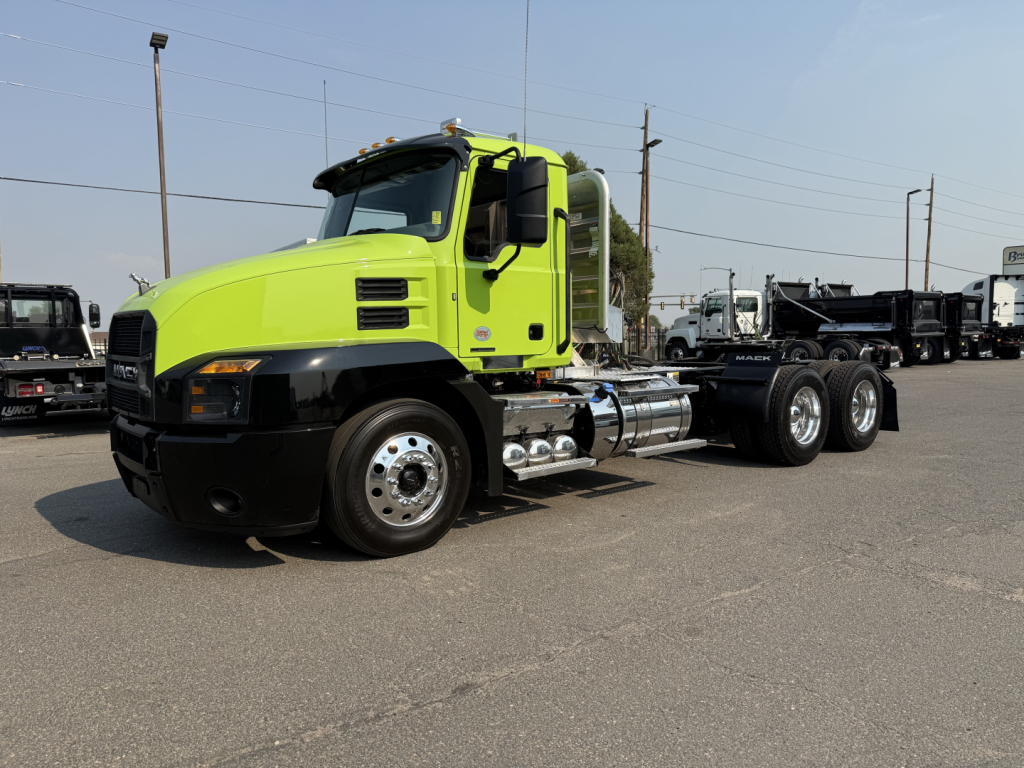
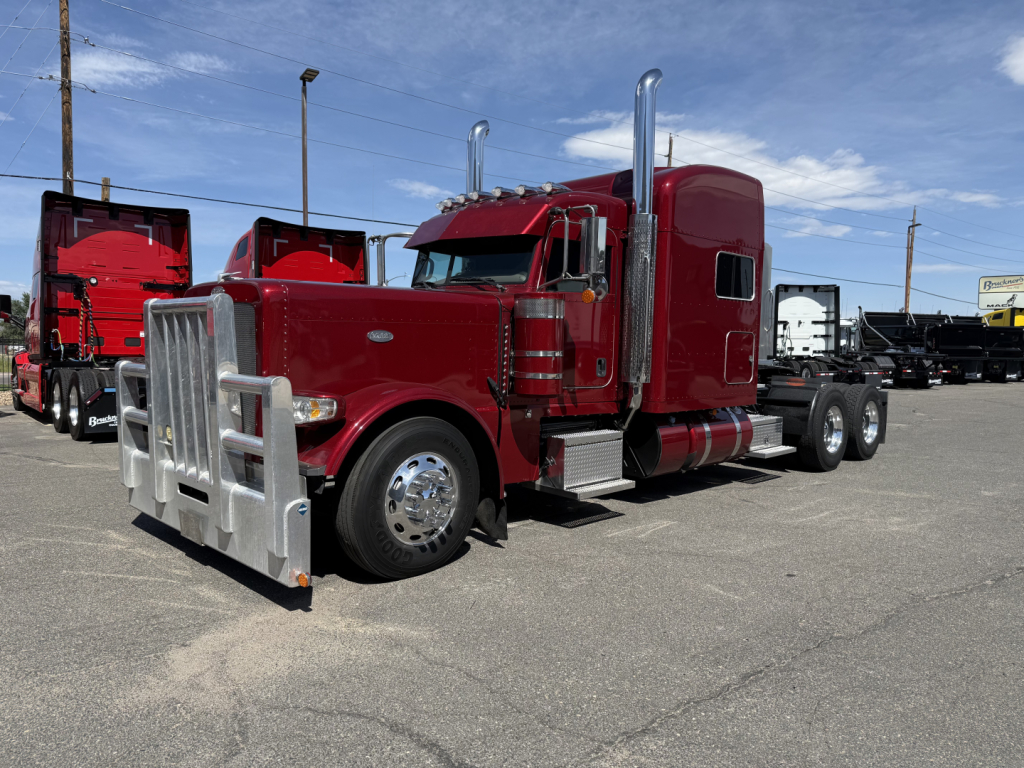
For highway use, conventional day cabs and sleeper trucks are usually evaluated around engine platform, transmission type, rear axle ratio, and cab configuration. Common specs include 13-liter engines in the 455 to 515 horsepower range, automated manual transmissions, tandem rear axles, and air ride suspension. Day cabs are often chosen for regional haul, port or terminal work, and dedicated routes where sleeper space is unnecessary. Sleeper models add living space, storage, and driver comfort for longer runs, and buyers often pay close attention to bunk layout, HVAC options, wheelbase, and fuel capacity. In Colorado, drivetrain spec matters because mountain grades and variable weather can quickly expose an underpowered or poorly geared truck.
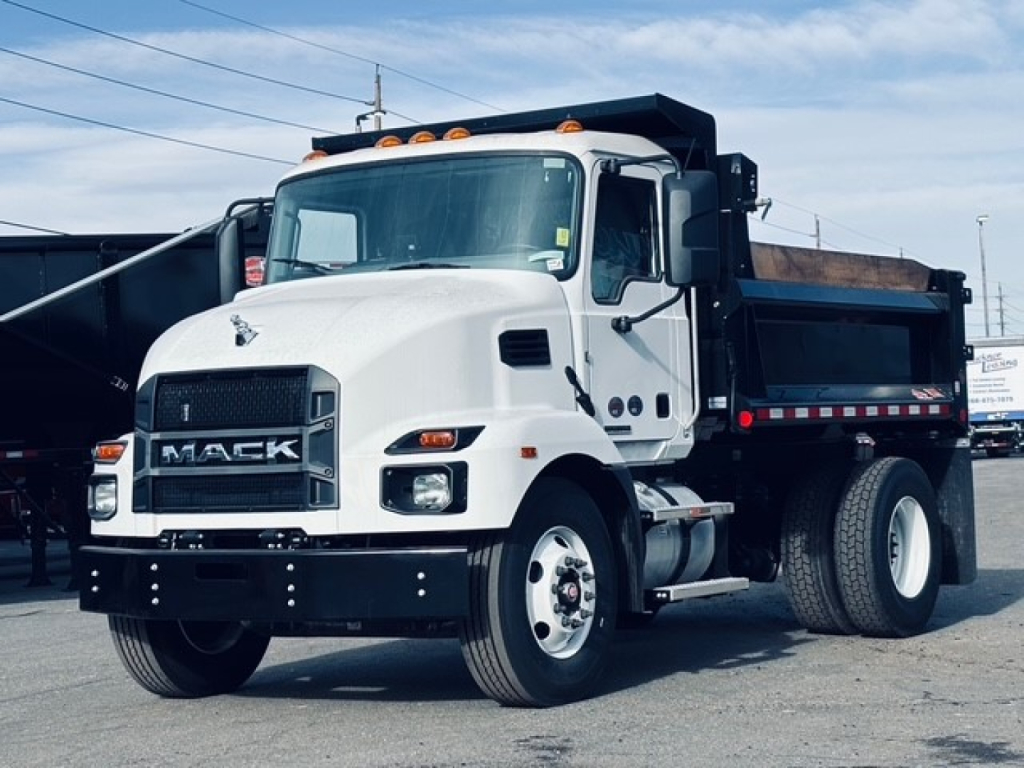
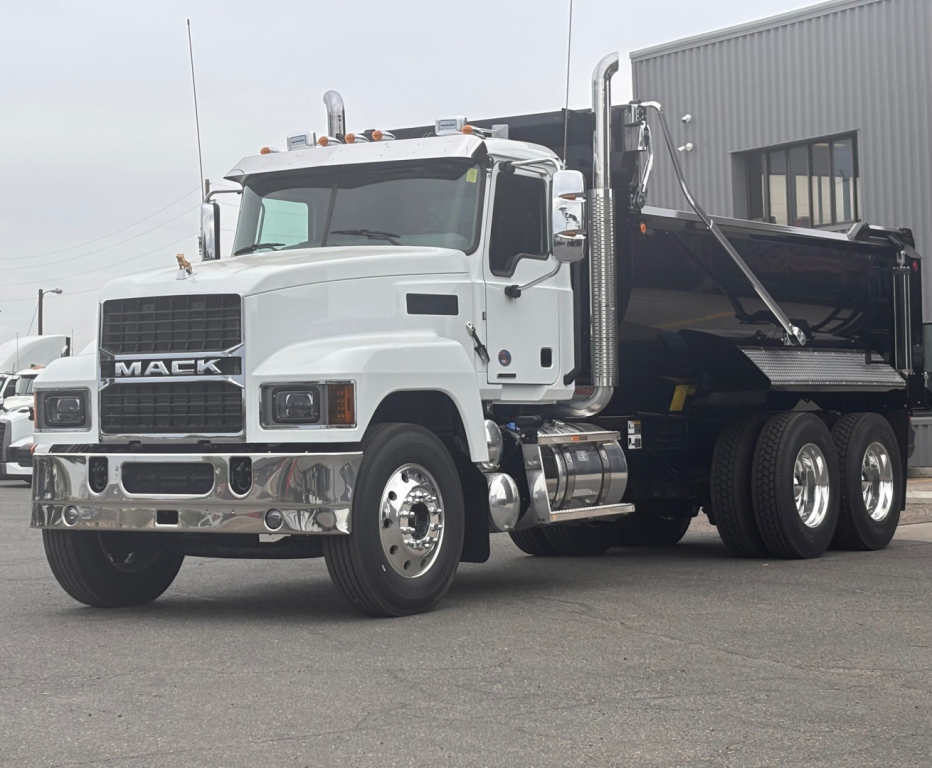
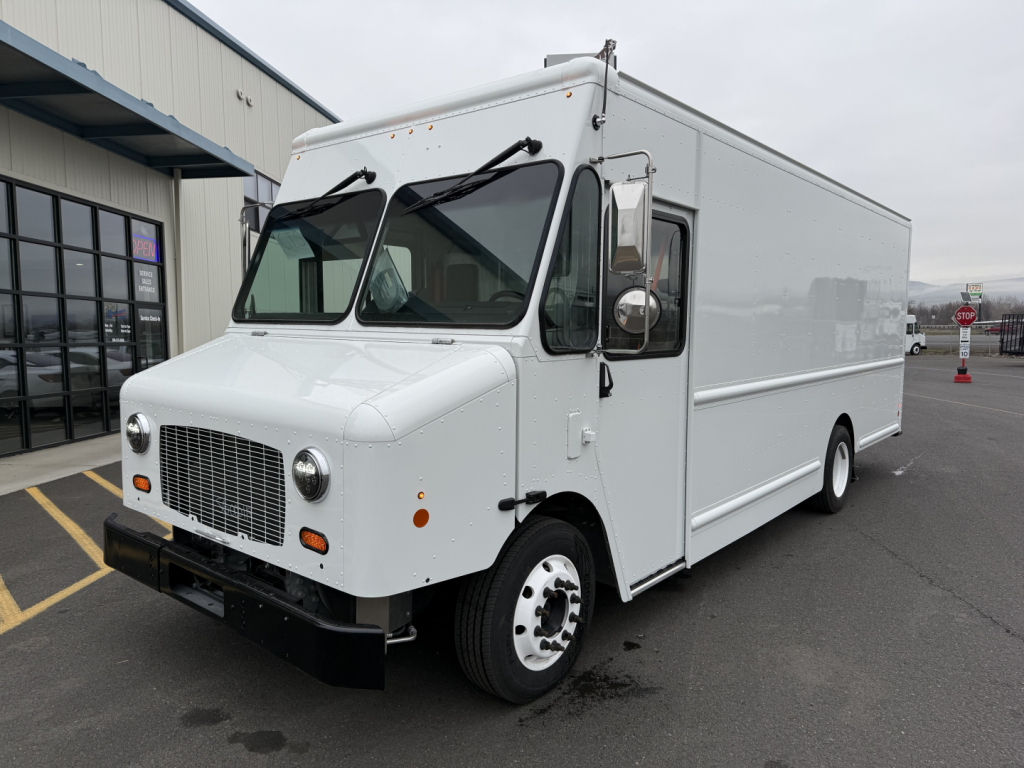
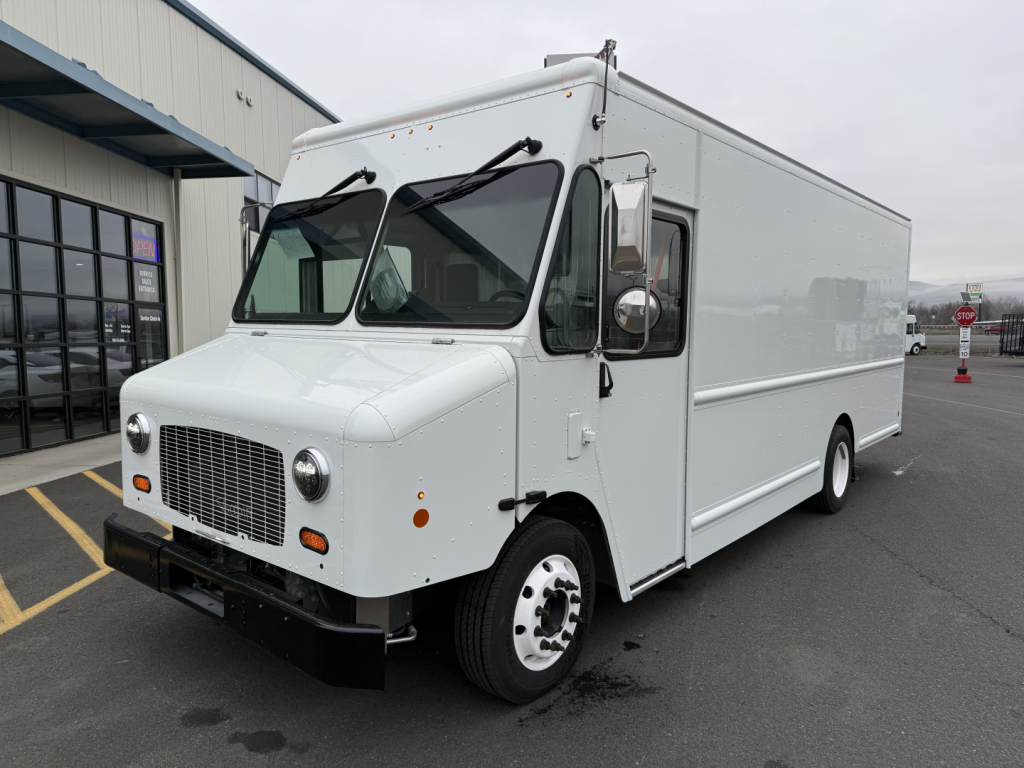
Vocational trucks such as dumps and mixers should be judged more by frame strength, axle ratings, suspension, PTO compatibility, and body integration than by appearance. A dump truck buyer may prioritize bridge-law friendly axle layouts, severe-duty suspension, and vocational gearing for stop-and-go hauling on job sites. Mixer buyers often focus on payload balance, chassis upfit compatibility, front axle capacity, and durability under constant load cycling. Step vans, also known as walk-in vans, are a different tool altogether and are built around route density, cargo access, and low-speed efficiency. Newer electric step vans are entering the market with strong horsepower figures, e-axle drivetrains, and GVWRs suited for urban and suburban delivery routes, especially where emissions rules, noise reduction, and operating cost control matter.
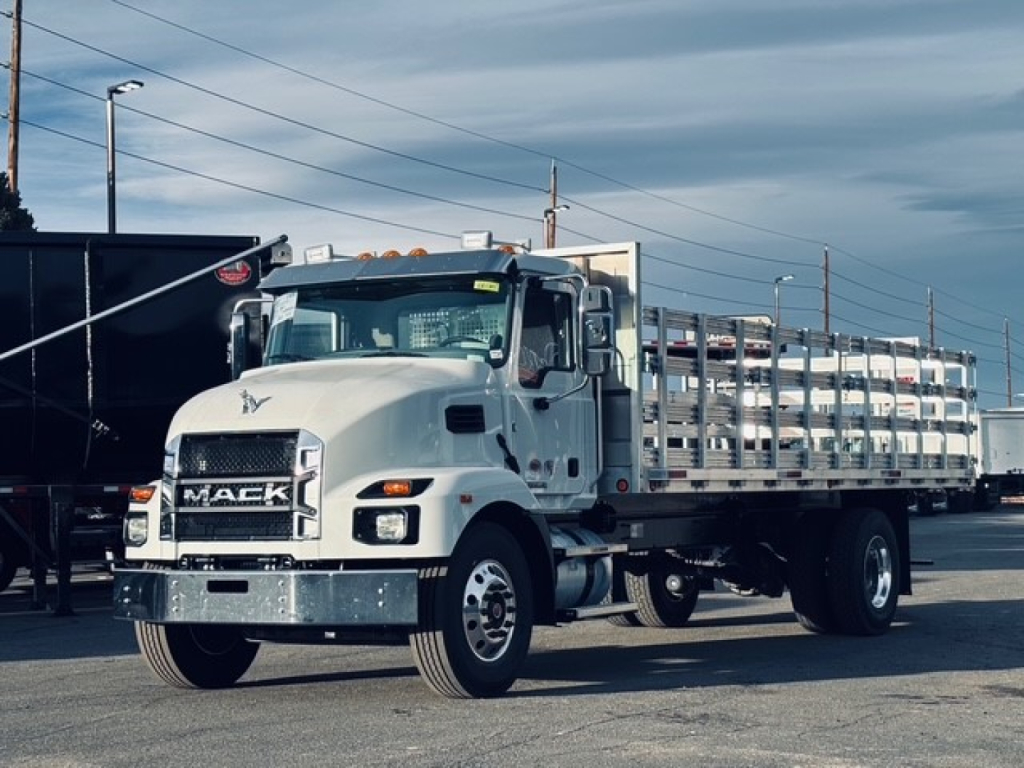
A smart truck purchase comes down to matching the chassis to the work. In this category, that means checking wheelbase against body length or trailer swing clearance, verifying front and rear axle ratings against legal payload needs, and confirming the suspension and brake package fit the route conditions. Buyers in Westminster and the greater Colorado market should also consider altitude, terrain, and seasonal conditions when comparing trucks, especially for cooling performance, engine braking, traction, and service support. The strongest value usually comes from a truck with a clean, purpose-built spec that matches the job from day one, not a compromise unit that needs to be reworked after purchase.
Frequently Asked Questions about Commercial Trucks Near Westminster, Colorado
What types of trucks are commonly found in this category?
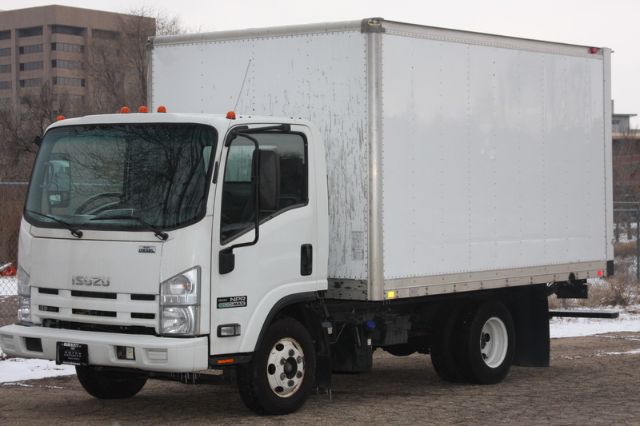
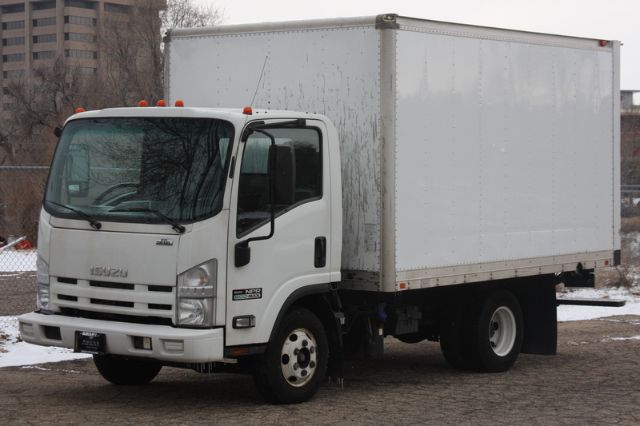
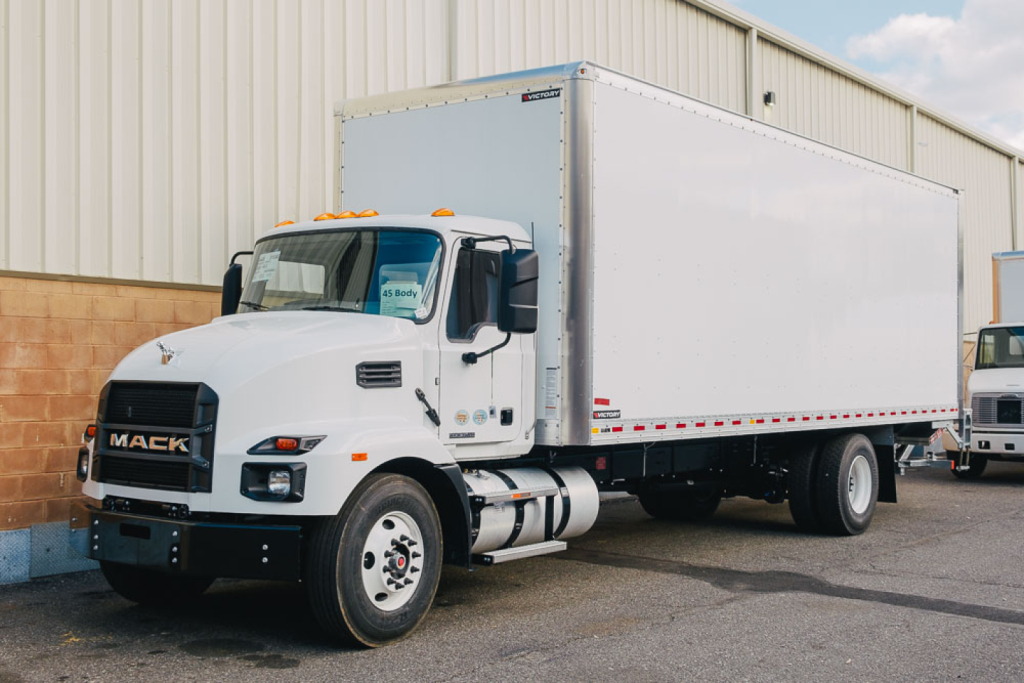
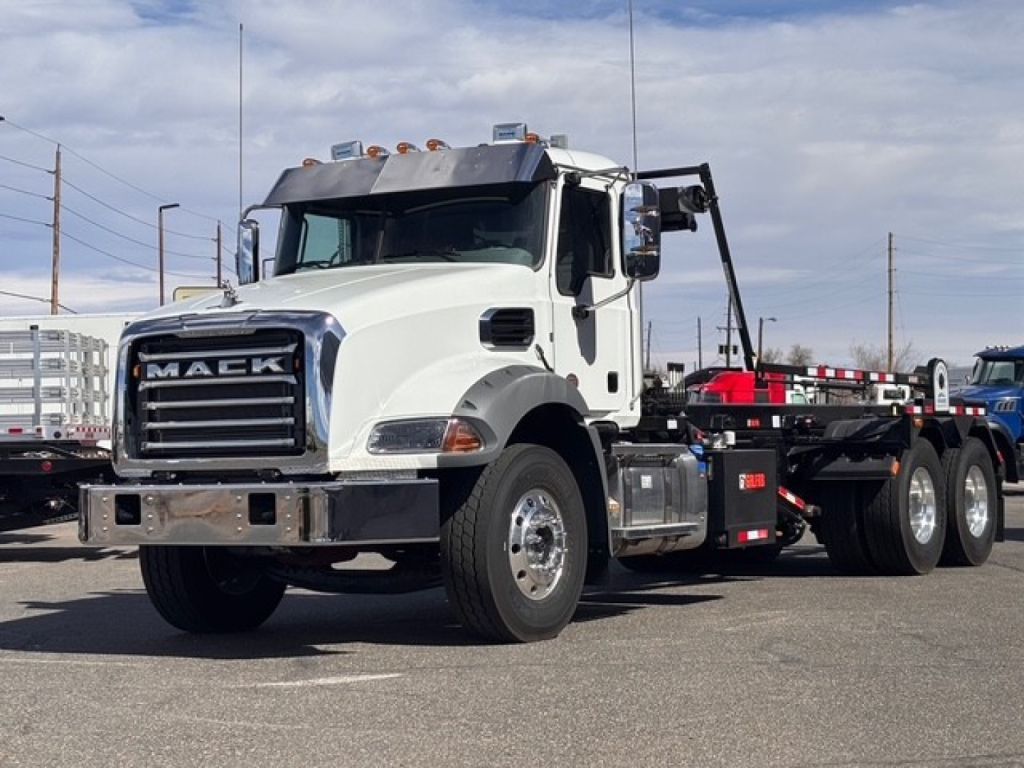
This category typically includes highway tractors and vocational trucks, such as conventional day cabs, sleeper trucks, dump trucks, mixer trucks, and step vans. Day cabs and sleepers are usually purchased for freight movement, while dumps and mixers are built for construction and material handling. Step vans are commonly used for parcel, service, and route delivery work. The best choice depends on duty cycle, payload, terrain, and whether the truck will pull a trailer, carry a permanent body, or operate on a dense local route.
How do I choose between a day cab and a sleeper truck?
A day cab is generally the right fit for local and regional operations where the driver returns regularly and cab weight savings matter. A sleeper truck is better suited for long-haul or multi-day runs where onboard rest space, storage, and driver comfort are necessary. Buyers should compare wheelbase, fuel capacity, bunk size, rear axle ratio, and engine horsepower to the lane they plan to run. In mountain states like Colorado, gearing and engine brake performance can be just as important as sleeper size.
What specs matter most on a dump truck or mixer truck?
For dump and mixer applications, the critical specs are usually front axle rating, rear axle rating, frame configuration, suspension type, wheelbase, and PTO or body compatibility. These trucks operate under heavy loads and repeated stop-start cycles, so durability and proper weight distribution matter more than cosmetic features. A vocational truck should also be evaluated for turning radius, jobsite ground clearance, brake package, and how well the chassis matches the body it will carry.
Are electric step vans practical for commercial use?
Electric step vans can be a strong fit for fixed local routes with predictable daily mileage, frequent stops, and access to charging infrastructure. They are especially useful in urban and suburban delivery operations where low operating noise, reduced emissions, and lower maintenance compared with a traditional internal combustion route truck can add value. Buyers should verify range under actual payload, charging time, body integration, and GVWR before making the switch, especially if the route includes cold weather or extended highway segments.
What should buyers in Colorado pay special attention to when comparing trucks?
Colorado buyers should look closely at horsepower, torque, rear axle ratio, engine brake performance, cooling capacity, and tire specification because elevation and mountain grades affect real-world performance. Winter traction, brake control, and suspension choice also matter on mixed highway and jobsite routes. Service network access is another practical consideration, especially for fleets running across the Front Range and into rural areas where downtime can become expensive fast.