
Commercial Trucks For Sale Near Westerville, Ohio

Have commercial truck to sell? List it here to reach thousands of buyers.
Commercial Trucks Near Westerville, Ohio
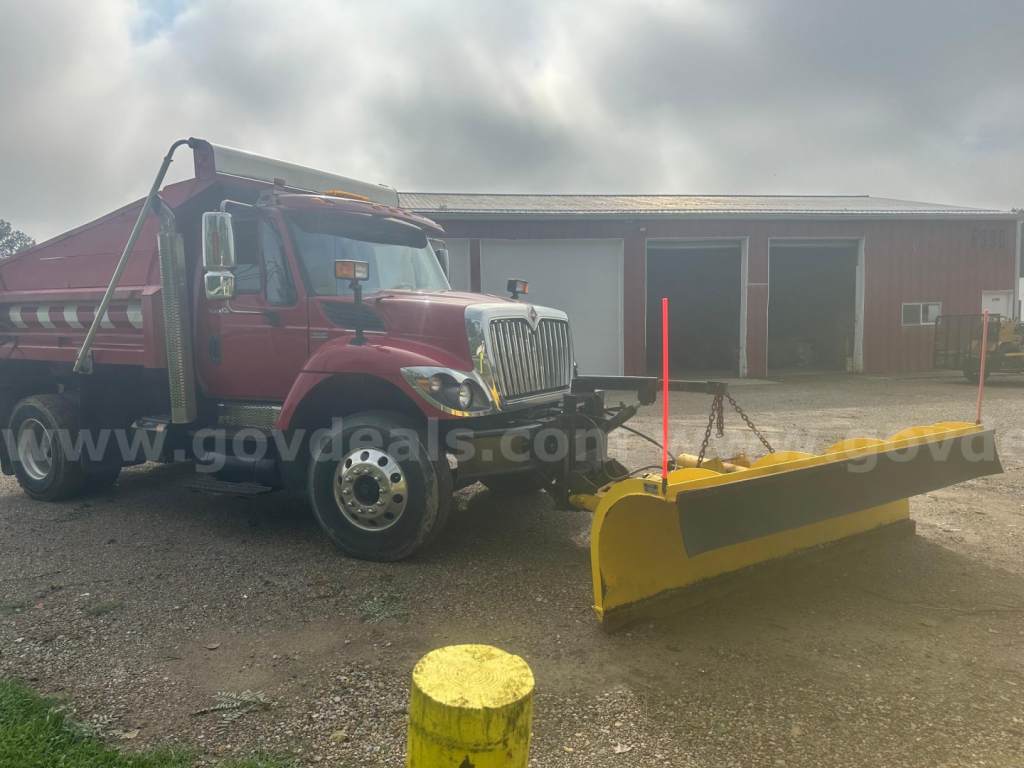
Dump trucks remain one of the most common truck types in this market because they handle aggregate, debris, salt, snow, and general material hauling with a simple, proven setup. Buyers should look closely at axle rating, body size, hoist condition, frame integrity, and whether the truck has a single-axle or tandem configuration. If a unit has been used for plow or spreader duty, inspect the front frame horns, hydraulic plumbing, electrical connections, and corrosion points around the underbody and spreader mount. In Ohio, winter service history matters. Stainless spreader components, solid crossmembers, and clean brake and air system condition can add real value on a used municipal truck.
Cab and chassis trucks are often the best fit when the body matters more than the badge. These platforms can be upfitted for flatbed, service body, hooklift, rollback, van body, fuel and lube, or other vocational uses. Key specs include wheelbase, cab-to-axle, rear axle ratio, PTO provisions, suspension type, brake setup, and engine-transmission pairing. Buyers comparing diesel work trucks should pay attention to engine family, emissions system generation, and service access. A proven medium-duty diesel with a matching automatic or manual transmission can be a better long-term fit than simply choosing the newest model year.
Condition and configuration drive value more than paint or trim on a work truck. Check actual miles and engine hours together, especially on trucks that spent time idling for municipal or jobsite work. Review GVWR against the intended payload, confirm CDL requirements where applicable, and make sure the truck's axle spread, body spec, and brake system match the route and duty cycle. For buyers in and around Westerville, local use often means a mix of highway miles, stop-and-go service, and winter exposure, so frame rust, suspension wear, hydraulic leaks, and electrical condition deserve close attention before purchase.
Frequently Asked Questions about Commercial Trucks Near Westerville, Ohio
What should I look for when buying a used dump truck?
Start with the structure and working systems, not the cosmetics. Check the frame for rust, cracks, and previous repairs, then inspect the dump body, hoist, hinges, hydraulic cylinder, and PTO operation under load if possible. Confirm axle ratings, GVWR, brake type, tire condition, and whether the truck is single axle or tandem. On trucks that handled plow or spreader work, pay extra attention to corrosion, front-end wear, hydraulic lines, and electrical connectors.
Is a cab and chassis truck better than buying a truck with a body already installed?
A cab and chassis truck is often the better choice when you need a specific upfit or want to control body length, weight distribution, and equipment layout. It gives you flexibility to install a flatbed, service body, van body, hooklift, or other vocational body that matches your operation. The main things to verify are wheelbase, cab-to-axle measurement, frame condition, PTO capability, and rear axle capacity so the chassis will support the body and payload you plan to run.
How important are miles versus engine hours on used work trucks?
Both matter, and they should be evaluated together. A truck with low miles can still show heavy wear if it spent long periods idling or working PTO-driven equipment. Engine hours help reveal how the truck was used, especially in municipal, construction, and utility service. High idle time can affect engine wear, emissions components, and maintenance intervals even when odometer miles look attractive.
What truck specs matter most for vocational use in Ohio?
GVWR, axle configuration, suspension, brake system, and corrosion condition are especially important in Ohio. Trucks that worked through winter often see added wear from salt, moisture, and repeated plow or spreader use. Buyers should inspect underbody rust, brake lines, air tanks, wiring, hydraulic components, and front frame areas. If the truck will carry material or tow equipment, also confirm gearing, engine torque, and legal weight compliance for the intended route.
Do I need a CDL to operate these trucks?
That depends on the truck's GVWR or GCWR, the body configuration, and how the truck will be used. Many medium-duty trucks can be operated without a CDL if they stay under applicable weight thresholds, but heavier dump trucks, tandem-axle units, and trucks towing equipment may require one. Buyers should verify the exact GVWR on the door label and review Ohio and federal requirements before putting a truck into service.