
Commercial Trucks For Sale Near West Jefferson, Ohio

Have commercial truck to sell? List it here to reach thousands of buyers.
Commercial Trucks Near West Jefferson, Ohio
Cab and chassis trucks are often the most flexible choice because they can be set up for flatbed, service body, rollback, utility, dump, tanker, or specialty vocational use. Buyers should confirm frame condition, rear axle ratings, PTO capability, suspension type, and any existing upfit provisions before planning a body install. On dump trucks, body length, hoist condition, liner wear, tailgate design, and plow or spreader integration matter as much as the engine and transmission. In Ohio, trucks that have spent time in snow and road salt service deserve a closer look at frame rails, crossmembers, brake lines, wiring, cab corners, and hydraulic components.
Specialty trucks such as vacuum trucks, sewer cleaners, and jet trucks need a more technical inspection than a standard straight truck. Chassis miles and engine hours tell only part of the story. Buyers should also review PTO operation, pump hours, tank condition, hose reels, water system pressure, vacuum performance, and the service history of the body equipment. On fleet-maintained municipal units, the maintenance records can be a real advantage, but it still pays to inspect warning lights, emission system status, idle hours, and signs of corrosion from seasonal duty cycles.
A good truck purchase in this category comes down to application fit and total reconditioning cost. Automatic transmissions and air brakes are common on many vocational trucks because they simplify operation in stop-and-go work and with multiple drivers. Diesel engines in these trucks are typically selected for torque, PTO compatibility, and durability under heavy loads or auxiliary equipment use. Buyers comparing trucks in West Jefferson should weigh local job requirements, CDL thresholds, upfit needs, and the cost of bringing brakes, tires, hydraulics, and body equipment up to work-ready condition. A lower purchase price can disappear quickly if the truck needs major frame repair, emissions work, or specialty equipment rebuilding.
Frequently Asked Questions about Commercial Trucks Near West Jefferson, Ohio
What should I check first when buying a used vocational truck?
Start with GVWR, axle configuration, wheelbase, and intended application. Those four items determine whether the truck can legally and practically handle the body, payload, and route demands you have in mind. After that, inspect the frame, suspension, brakes, transmission, PTO setup, and engine hours or miles. On any vocational truck, the condition of the chassis and the body equipment matters more than cosmetic appearance.
Are cab and chassis trucks a good choice for custom upfits?
Yes. A cab and chassis truck is often the best platform when you need a specific body such as a dump, service body, utility body, flatbed, tanker, or specialty equipment package. The key is confirming wheelbase, frame length, rear axle rating, and PTO compatibility before installation. Buyers should also check for prior frame modifications, corrosion, and any existing hydraulic or electrical provisions that may simplify the upfit.
What matters most on a used dump truck?
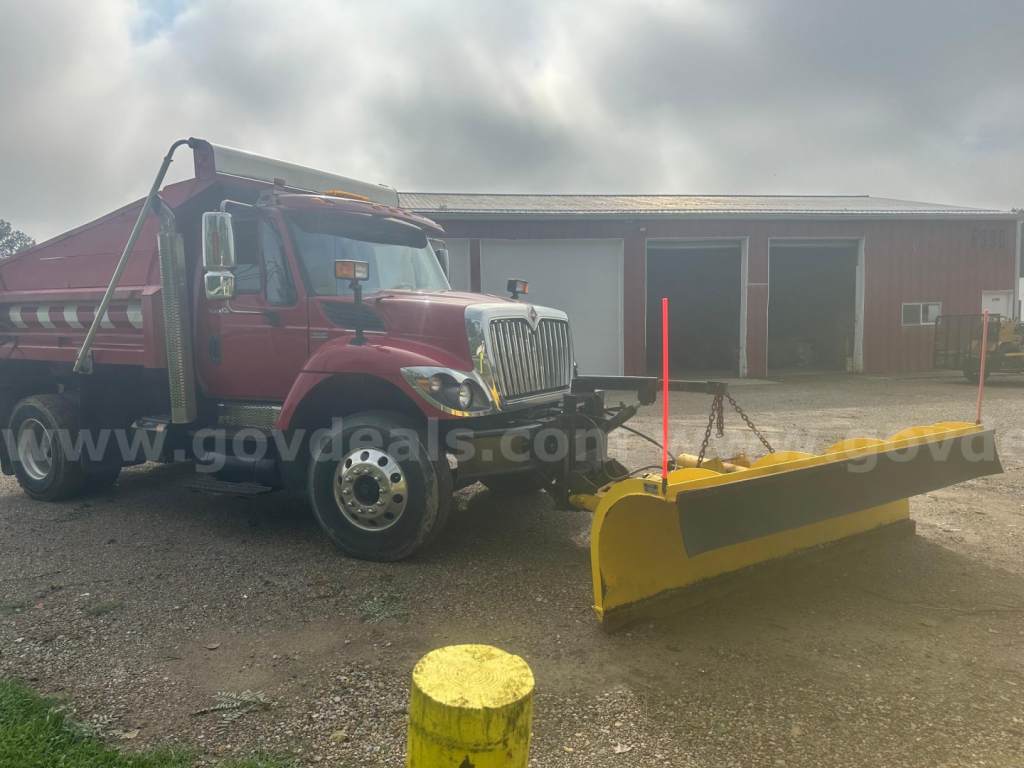
Body condition, hoist performance, frame integrity, and rear suspension are critical on a used dump truck. Buyers should inspect the floor, sides, hinges, tailgate, hydraulic cylinder, and any evidence of twisting or overloading. If the truck includes a snow plow or spreader setup, check the front frame mounts, hydraulic plumbing, controls, and electrical system carefully. In snow-belt regions, rust can be the deciding factor in long-term value.
How do I evaluate a used vacuum truck or jet truck?
Evaluate both the chassis and the vocational system as separate assets. Review chassis miles, engine hours, transmission operation, and brake condition, then move to pump hours, tank condition, vacuum or water pressure performance, hose reel function, and PTO engagement. Specialty trucks can be valuable work platforms, but repairs to pumps, tanks, and related systems can be expensive. A functional test of the body equipment is one of the most important steps before purchase.
Why are air brakes and automatic transmissions common on these trucks?
Air brakes are standard on many medium-duty and heavy-duty vocational trucks because they provide dependable stopping power under load and are well suited to commercial service. Automatic transmissions are common because they reduce driver fatigue and improve ease of use in stop-and-go work, plowing, jobsite maneuvering, and municipal operations with multiple operators. For many fleets, that combination improves usability and helps reduce wear from inconsistent driving technique.