
Trucks For Sale Near West Hempstead, New York
Showing 1 to 24 of 68 results
Have truck to sell? List it here to reach thousands of buyers.
Trucks Near West Hempstead, New York
For delivery and straight truck work, buyers usually focus on box length, door configuration, liftgate capacity, cab access, and engine-transmission pairing. Medium-duty trucks commonly run diesel engines with automatic transmissions, especially in urban service where driver turnover and tight routing favor simpler operation. In the New York market, wheelbase, turning radius, bridge law considerations, and overall height matter because these trucks often work in dense commercial areas with limited loading access. Check the GVWR against the intended payload, and compare empty weight to usable cargo capacity. Inside the body, wood floors, E-track, scuff liners, translucent roofs, and roll-up versus swing doors all affect day-to-day usability and repair cost.
For sleeper tractors and heavier conventional trucks, the key questions shift toward engine family, horsepower, torque, rear axle ratio, transmission type, and emissions system history. Buyers looking at used highway trucks should pay close attention to service records for turbochargers, aftertreatment components, cooling systems, kingpins, suspension wear, and brake work. A Detroit Series 60, DD platform, Cummins ISX, Paccar MX, or Mack powertrain all have different maintenance profiles and parts economics. If the truck will pull van, flatbed, or reefer freight, match the spec to the lane. A lighter fleet spec may work well for regional freight, while heavier suspensions and higher horsepower are better suited to dense loads or sustained highway use.
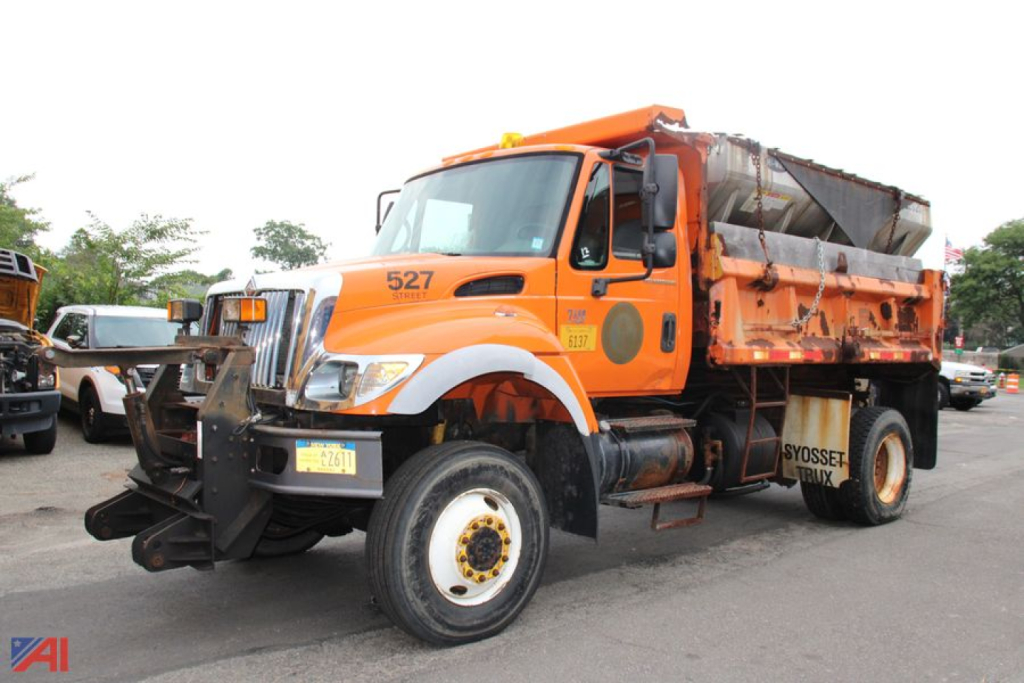
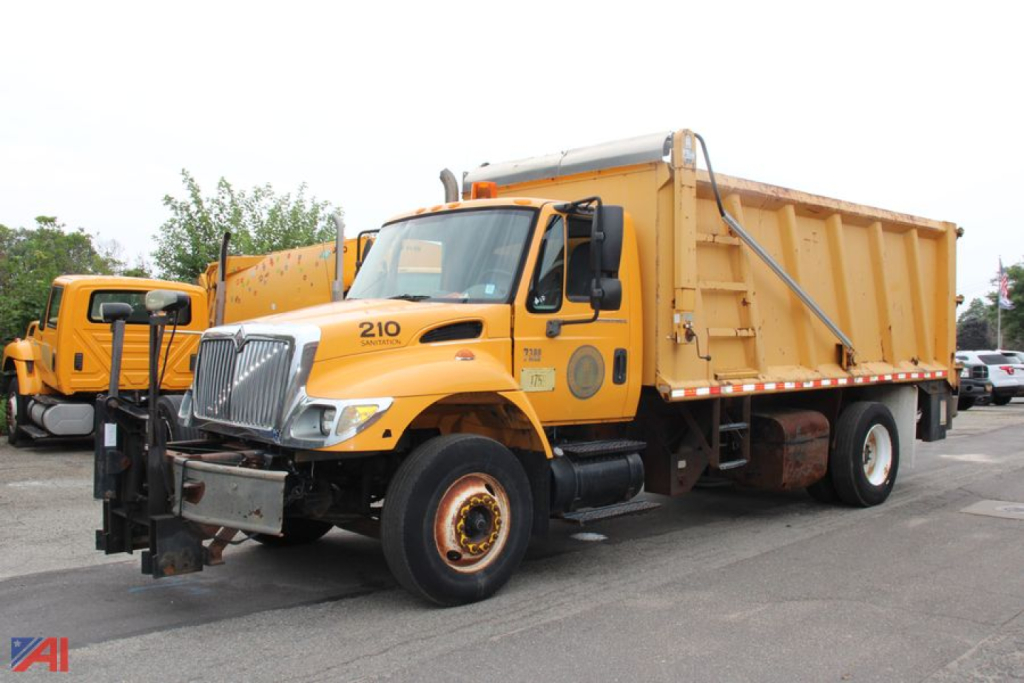
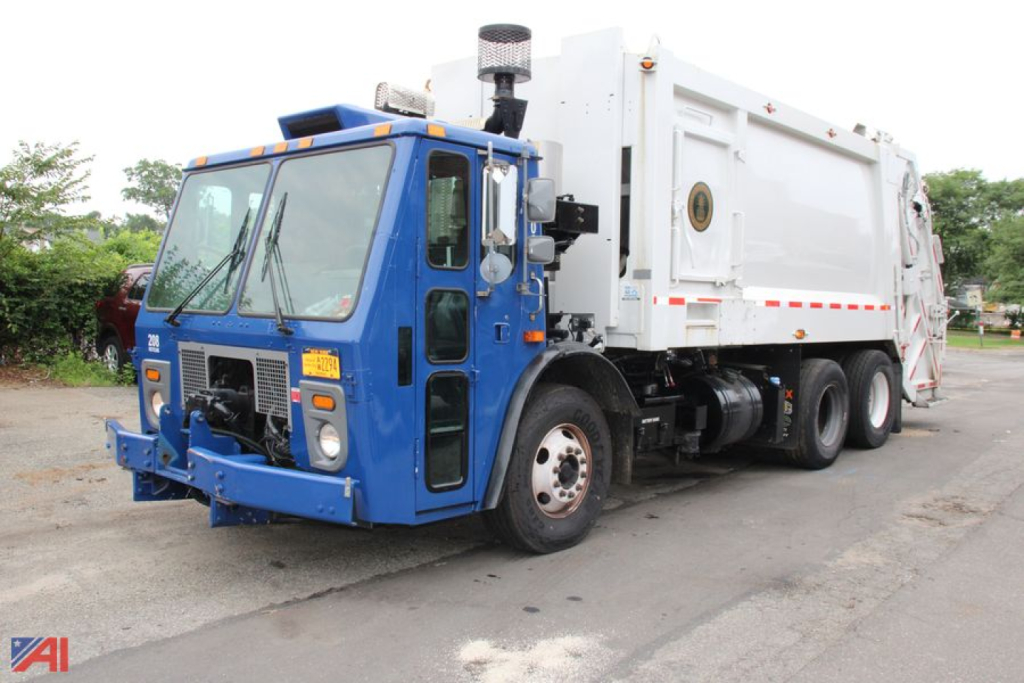
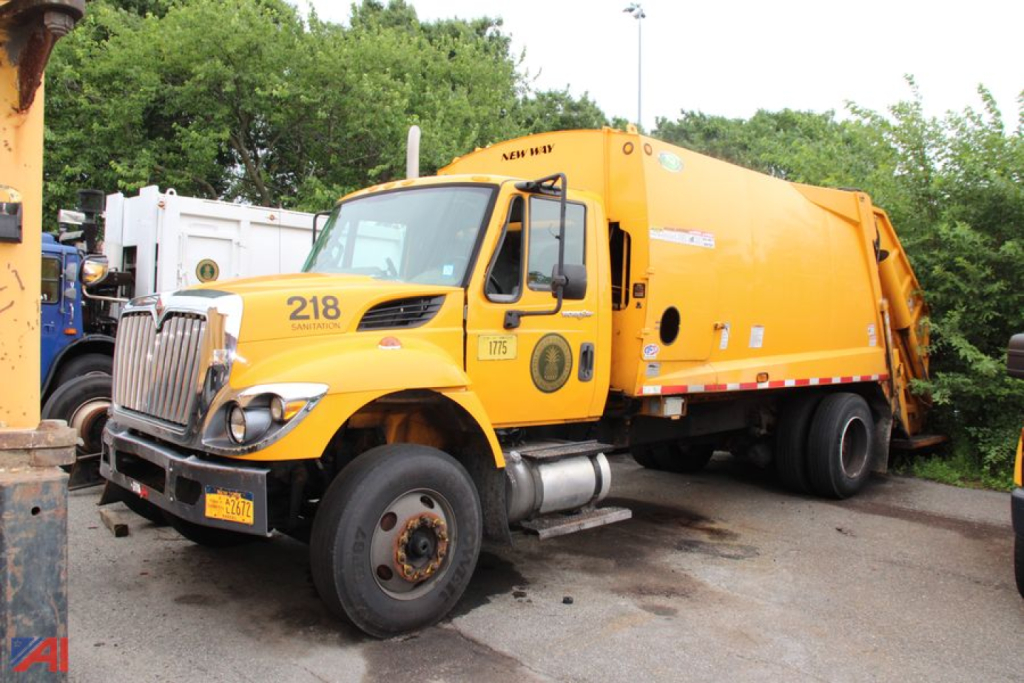
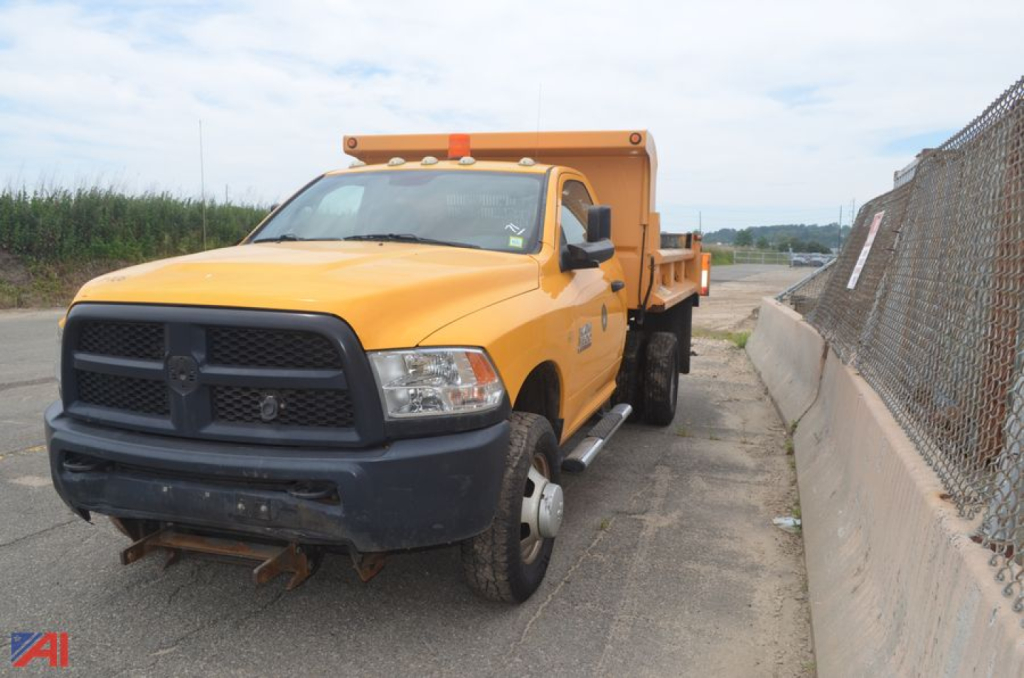
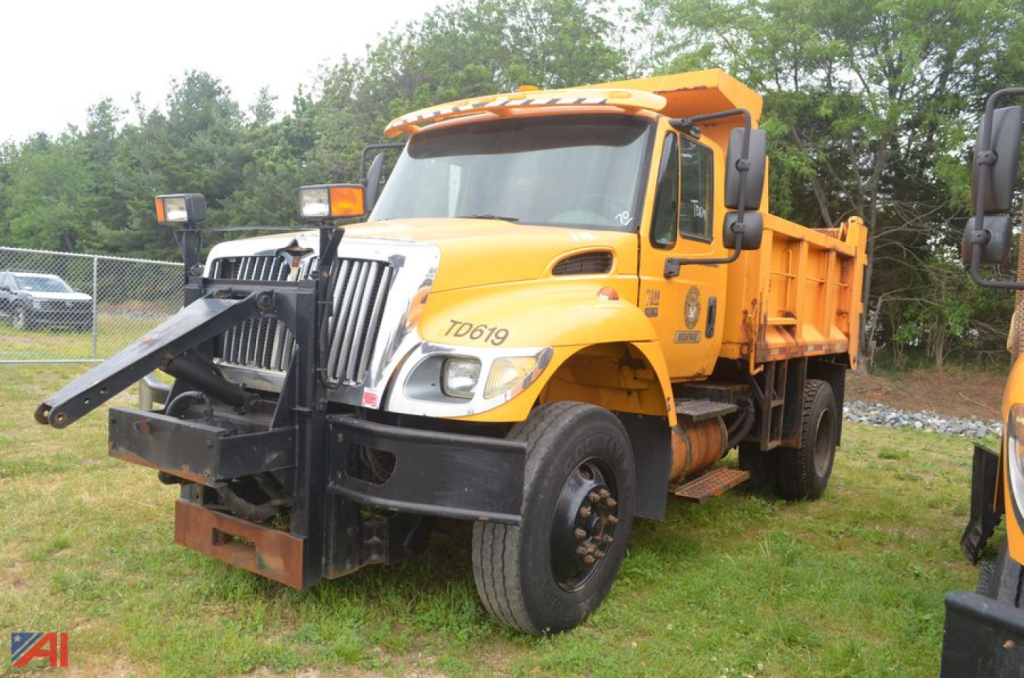
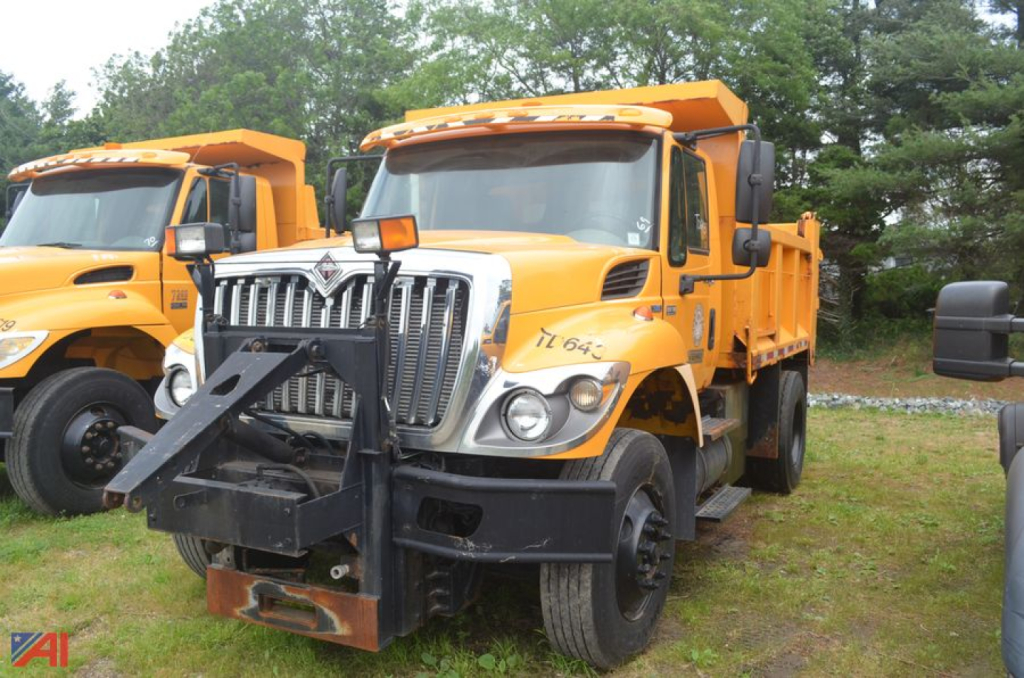
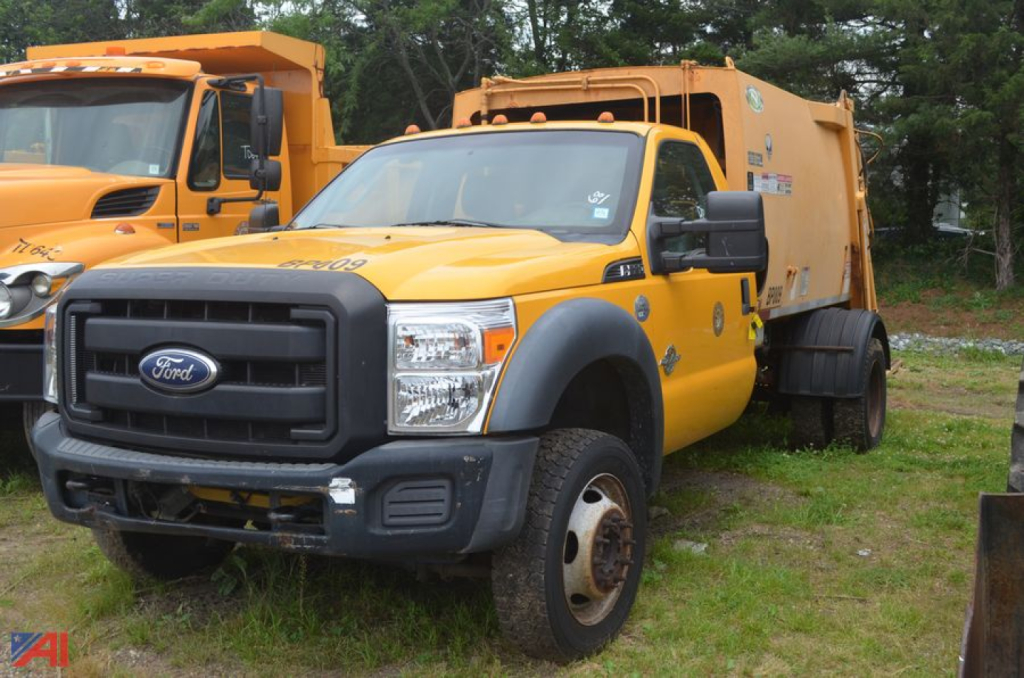
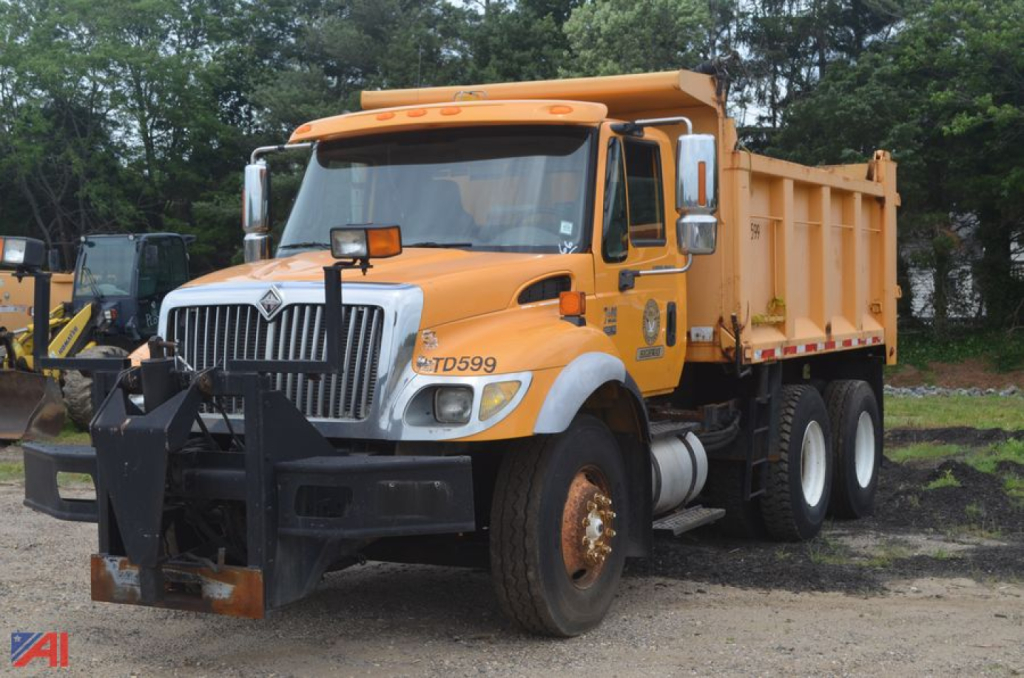
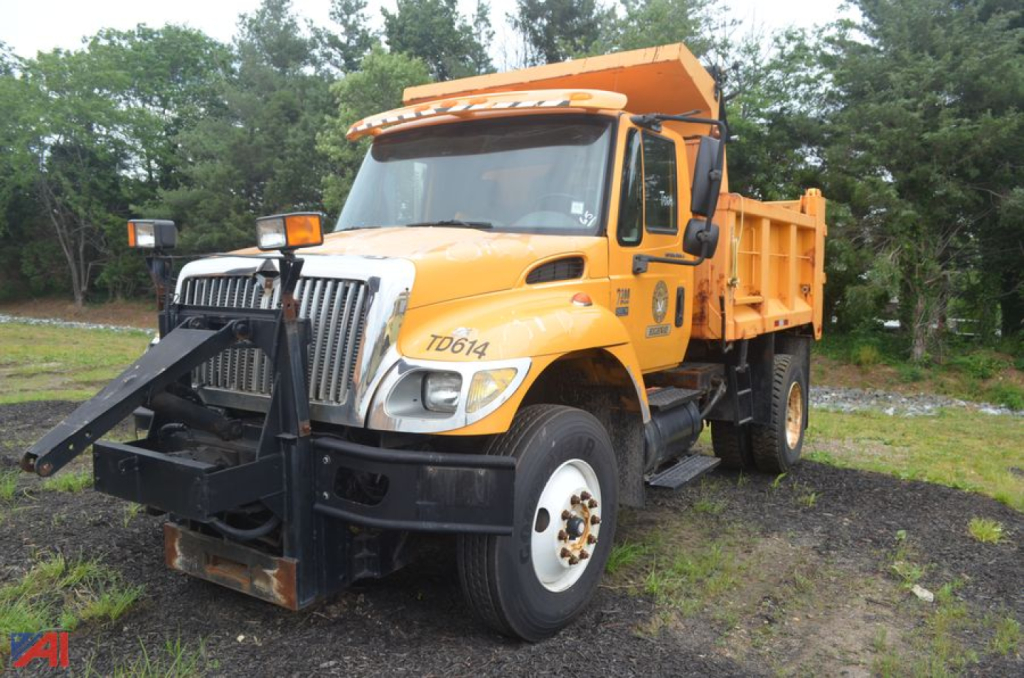
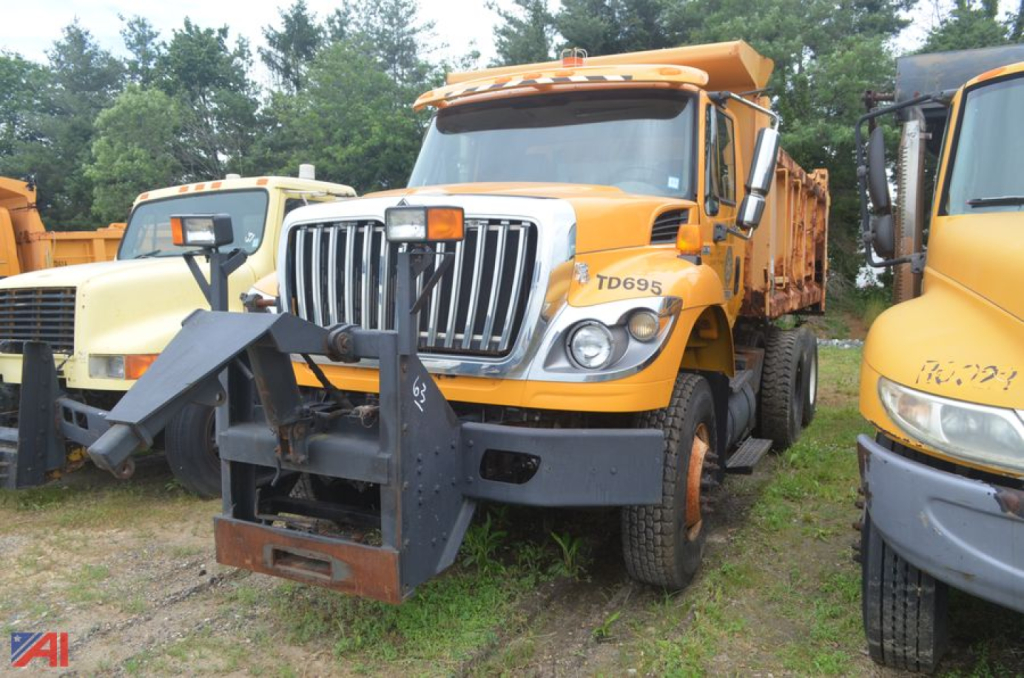
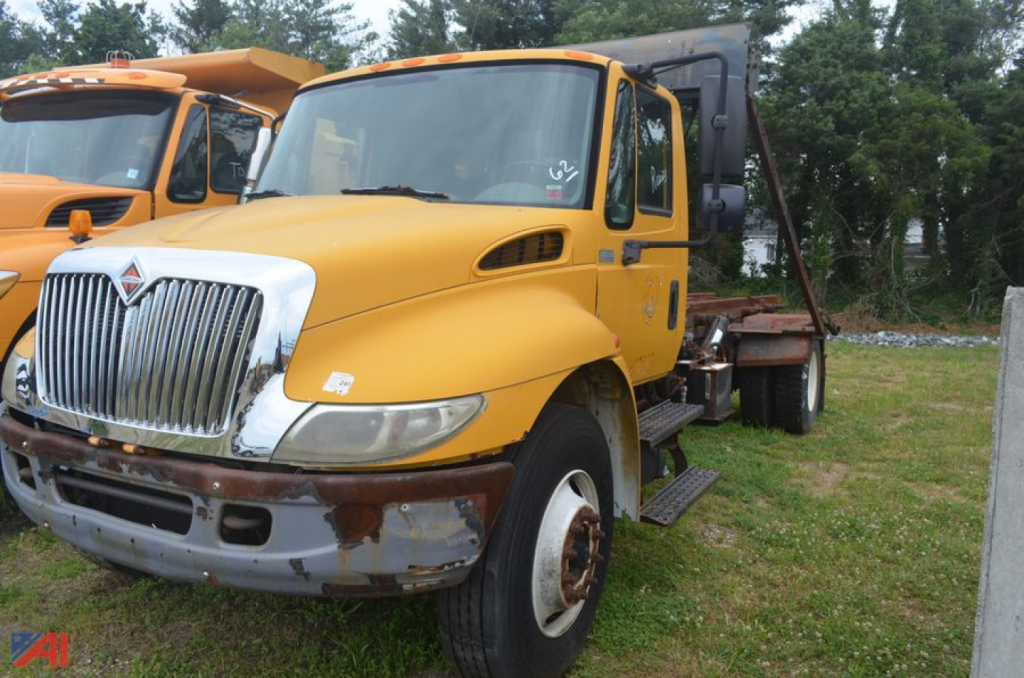
Vocational trucks deserve even closer review because body equipment often matters as much as the chassis underneath it. Packer trucks, dump trucks, hooklifts, and other work trucks are built for severe service, frequent starts and stops, PTO use, and higher idle time. On these units, inspect hydraulic systems, frame condition, body mounts, hoists, controls, and any signs of corrosion from municipal or sanitation work. In the Northeast, rust, wiring condition, and underbody exposure to salt can be just as important as engine hours or odometer miles. A good used truck in this category is one with the right spec for the job, a realistic maintenance history, and a chassis-body combination that can stay productive without constant downtime.
Frequently Asked Questions about Trucks Near West Hempstead, New York
What should I compare first when shopping for used trucks?
Start with the job the truck needs to do every day. Compare GVWR, body style, axle configuration, engine and transmission setup, and intended operating environment before comparing make or model. A box truck for urban delivery, a sleeper tractor for highway freight, and a packer truck for municipal service are built around completely different duty cycles, so the best choice is the one whose original spec matches your workload.
How important is GVWR when buying a truck?
GVWR is one of the most important numbers on any truck because it determines the legal operating weight of the chassis and directly affects payload capacity, registration, licensing, and route flexibility. Buyers should also look at empty weight, because a heavier body or option package reduces usable payload. A truck can appear large enough for the work but still fall short if the body, liftgate, or equipment consumes too much of the allowable weight.
What matters most on a used box truck?
Body condition and cargo functionality matter almost as much as the engine and transmission. Buyers should inspect the floor, roof, sidewalls, rear frame, roll-up or swing doors, and liftgate operation, then confirm the wheelbase and box length suit the route and loading conditions. For local service in tighter areas, maneuverability and door access can be as important as raw payload.
What should I inspect on a used sleeper or highway tractor?
Focus on engine history, aftertreatment service, transmission performance, suspension wear, brake condition, tire wear patterns, and evidence of proper cooling system maintenance. Review major repair records for components such as turbochargers, EGR or DPF systems, and driveline parts. The right horsepower and rear axle ratio for the freight lane also matters, because an under-spec'd tractor can hurt fuel economy, drivability, and long-term durability.
Are vocational trucks harder to evaluate than standard highway trucks?
Yes, because the truck and the body equipment must both be evaluated as working systems. On a packer or other vocational unit, buyers need to inspect hydraulics, PTO engagement, control operation, body structure, frame rails, and corrosion exposure in addition to normal chassis items. Severe-duty service in sanitation, municipal, or construction work often creates wear patterns that do not show up in odometer mileage alone.