
Commercial Trucks For Sale Near Wayne, New Jersey

Have commercial truck to sell? List it here to reach thousands of buyers.
Commercial Trucks Near Wayne, New Jersey
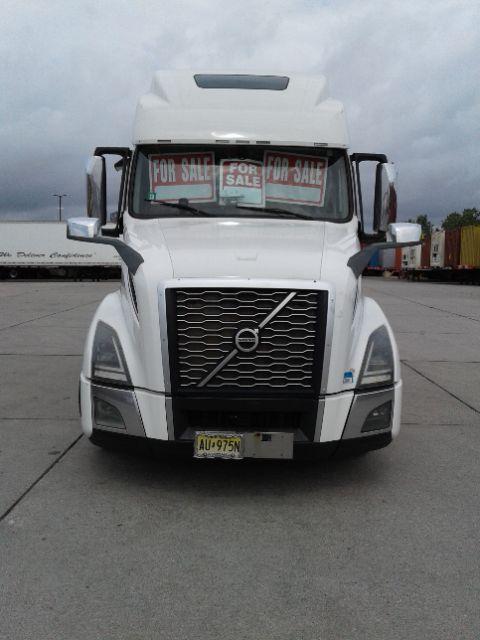
For highway trucks, common decisions revolve around day cab versus sleeper, 6x4 axle configuration, automated manual versus full automatic transmission, and engine ratings in the mid-400 to 500 HP range. Buyers comparing used conventional sleepers should pay attention to engine family, transmission make, rear axle ratio, suspension type, and sleeper size. Features like a sliding fifth wheel, engine brake, air ride suspension, aluminum wheels, and 11R22.5 or 11R24.5 rubber can affect both operating cost and resale. In New Jersey and the broader Northeast, trucks that have spent time in winter service should also be checked closely for frame corrosion, cab rust, wiring condition, and air system leaks.
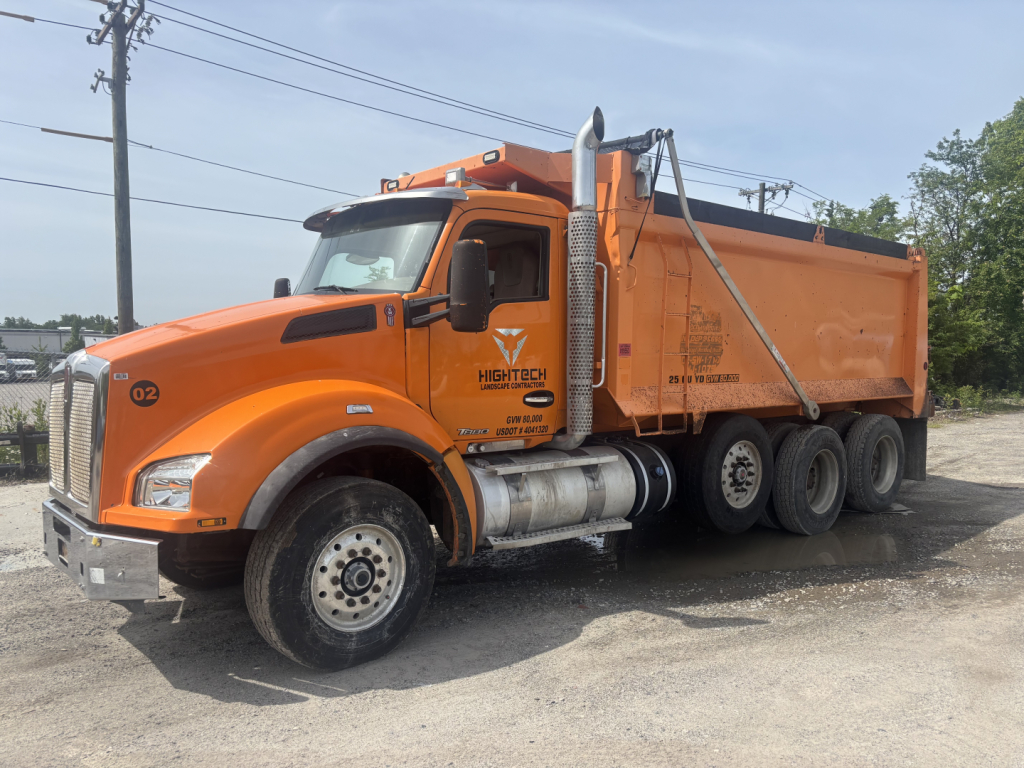
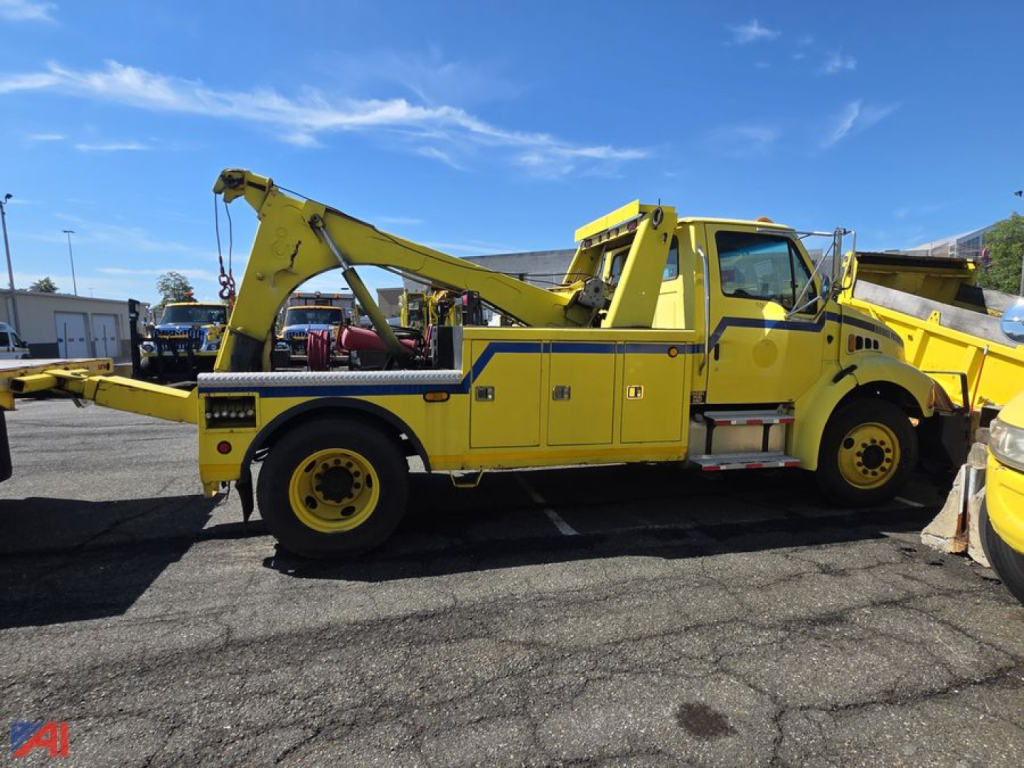
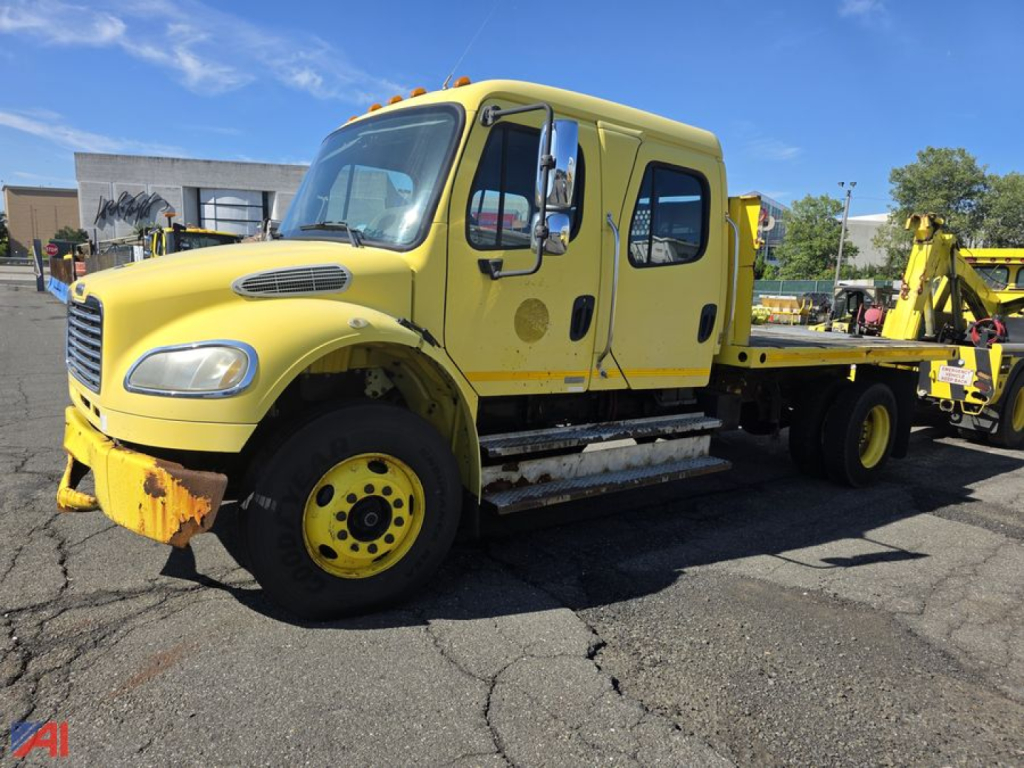
Vocational trucks require a different inspection mindset. On a dump truck, GVWR, axle count, double frame construction, lift axle setup, dump body material, and brake condition are core items. Steel bodies are common for abrasive materials and demolition work, while lighter configurations may better suit landscape or municipal use. On tow trucks and recovery units, buyers should inspect the bed, winch, wheel lift, hydraulic performance, PTO engagement, and rear structure for signs of heavy recovery stress. Medium-duty platforms such as Ford F-450 or Hino conventional cab trucks can be practical for local hauling, snow work, utility service, or municipal fleets, but body condition, rust, and prior seasonal use matter as much as engine hours and mileage.
A good used truck purchase comes down to service history, legal operating weight, and how the spec fits the route. In and around Wayne, that often means balancing highway manners with tight urban access, bridge and pavement restrictions, and stop-and-go duty cycles. Look at title status, maintenance documentation, tire and brake percentages, emissions system history, and signs of hard vocational use. The strongest value is usually found in a truck with a clear, work-ready spec for its intended job rather than the highest horsepower or newest model year.
Frequently Asked Questions about Commercial Trucks Near Wayne, New Jersey
What types of trucks are commonly listed in this category?
This category can include long-haul sleeper tractors, day cabs, dump trucks, tow trucks, and medium-duty commercial trucks. The right choice depends on the job. Sleeper tractors are built for freight and longer trips, dump trucks are spec'd for construction and material hauling, tow trucks are equipped for recovery work, and medium-duty trucks are often used for local service, municipal work, landscaping, or light hauling.
What should I check first when buying a used truck?
Start with the truck's intended application, then verify the major components support that use. Engine make and horsepower, transmission type, axle configuration, GVWR, suspension, frame condition, and body equipment should all match the work. After that, review maintenance records, title status, tire and brake condition, emissions history, and signs of rust or structural repairs. A truck with a clean service history and the right spec is usually a better buy than one with extra features that do not fit the route.
How important is axle configuration on a commercial truck?
Axle configuration is critical because it affects legal payload, traction, maneuverability, and maintenance cost. A 6x4 tandem is common on highway tractors and many vocational trucks because it offers strong traction and higher capacity. Tri-axle dump configurations can support heavier local work and improve load distribution. Medium-duty trucks may use simpler setups for tighter routes and lower operating costs. Buyers should confirm the axle layout fits bridge laws, load requirements, and turning conditions in their operating area.
What matters most on a used dump truck?
On a used dump truck, focus on frame integrity, body condition, hoist performance, axle ratings, and brake condition. Double frame construction, lift axles, steel dump bodies, and PTO operation are all important in heavier applications. Check for cracking around body mounts, rust on the subframe, hydraulic leaks, worn pins and bushings, and uneven tire wear. A dump truck's value depends heavily on how it was worked and maintained, not just the cab mileage.
Are highway sleeper trucks a good fit for Northeast operations?
They can be, but the spec needs to match the lane and operating pattern. In the Northeast, buyers often want a balance of sleeper comfort, wheelbase, fuel capacity, and maneuverability for tighter terminals and congested highways. Air ride suspension, an engine brake, automated manual transmission, and a practical sleeper size are common priorities. Because winter exposure is a factor in this region, it is smart to inspect the frame, cab corners, electrical systems, and undercarriage carefully for corrosion.