
Mack Water Trucks For Sale in Texas
Browse Mack water trucks for dust control, construction, municipal, and agricultural use. Compare tank sizes, chassis specs, and PTO setups.
No exact matches found for your search
Showing Water Trucks instead.
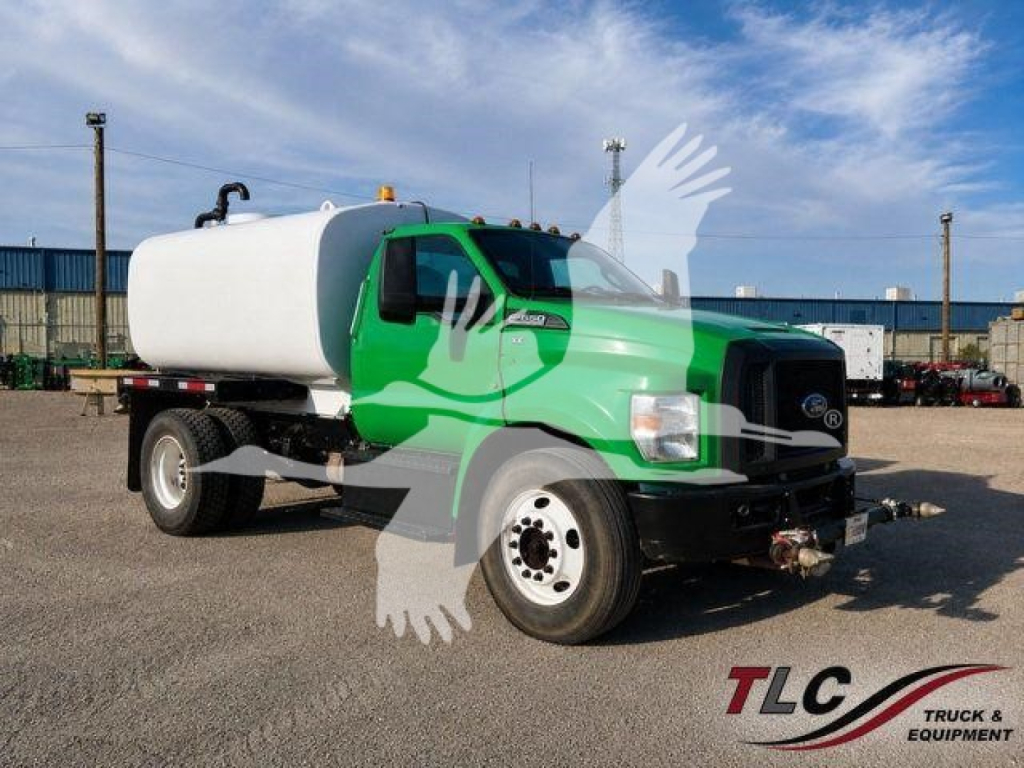
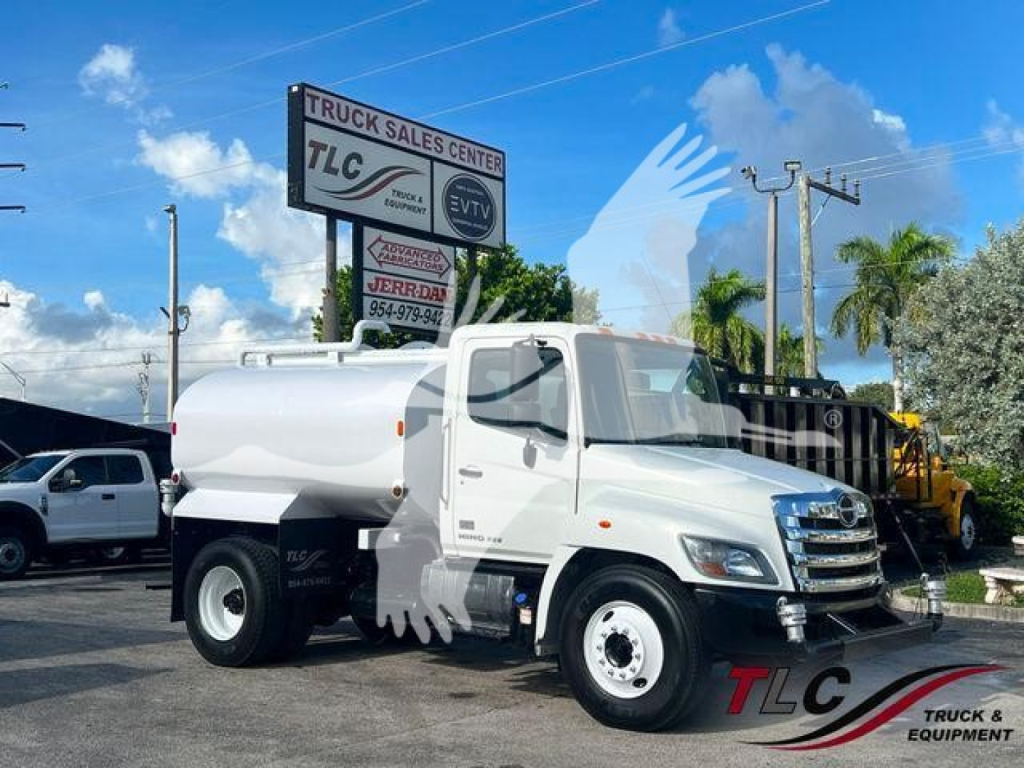
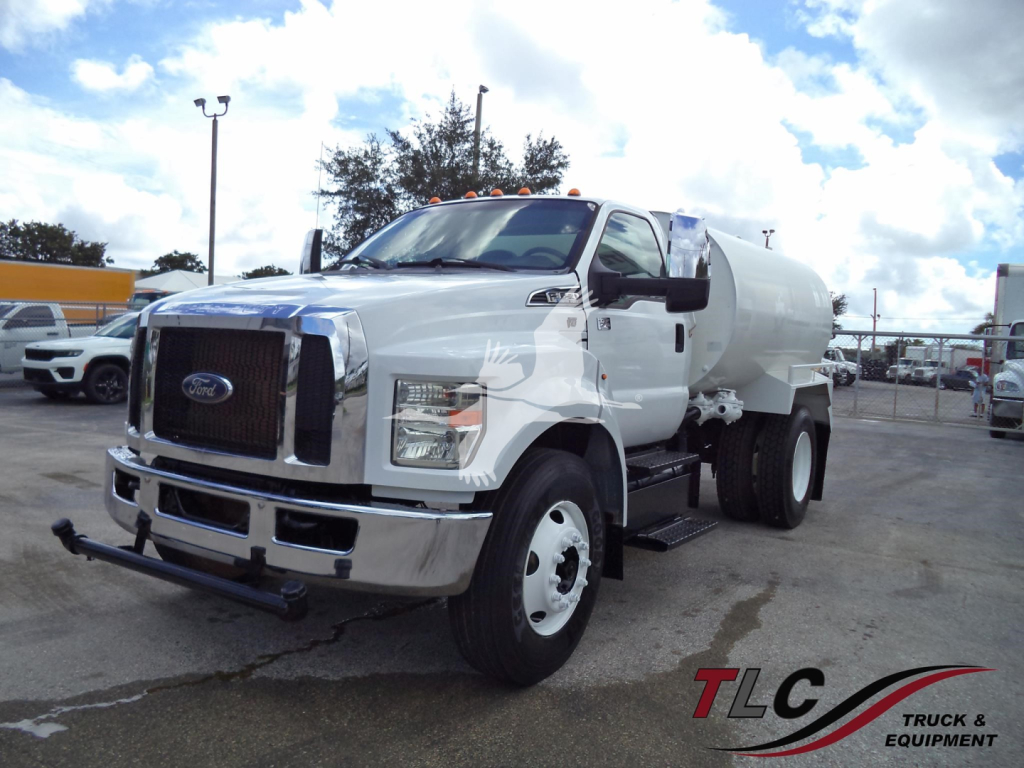
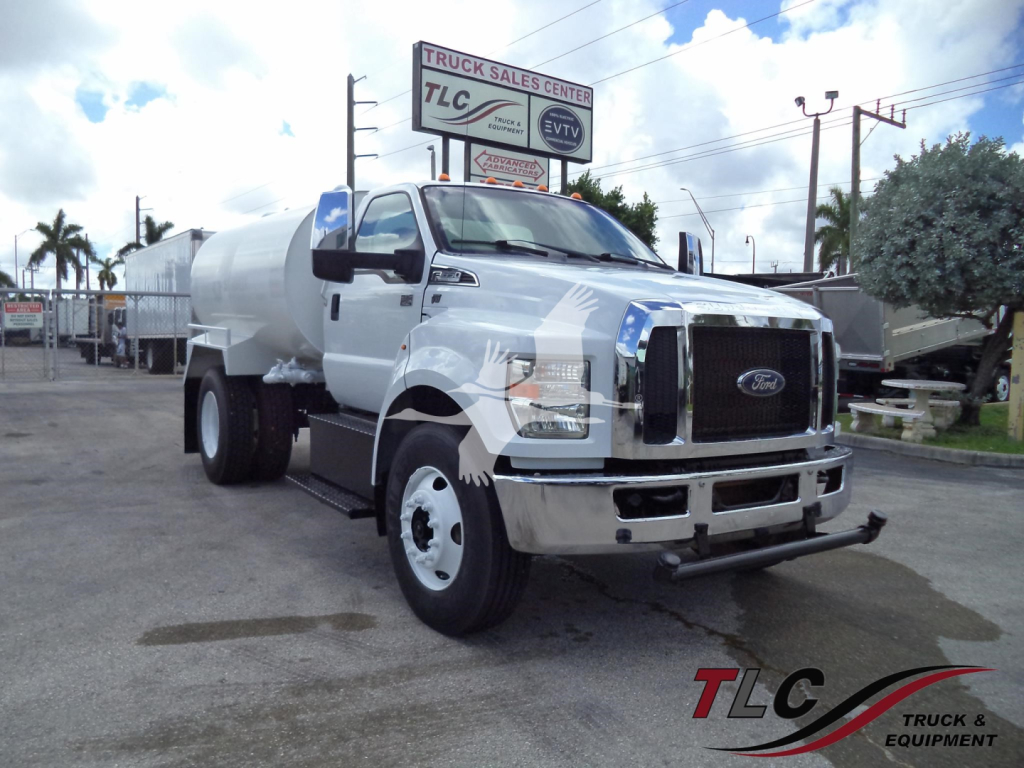
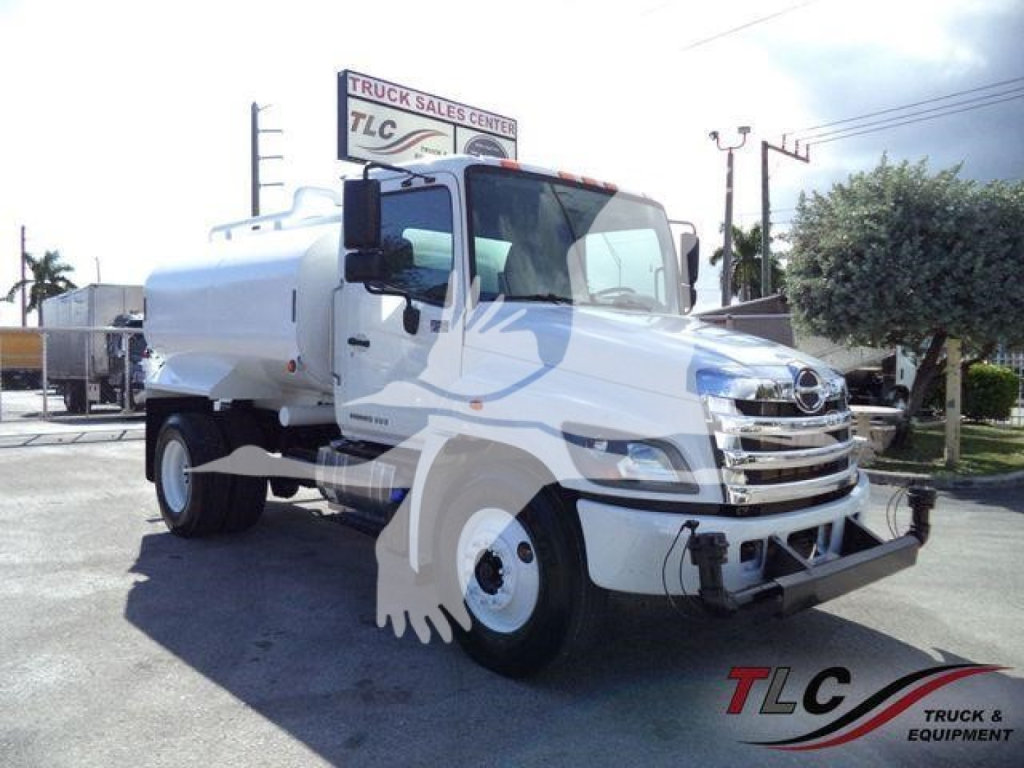
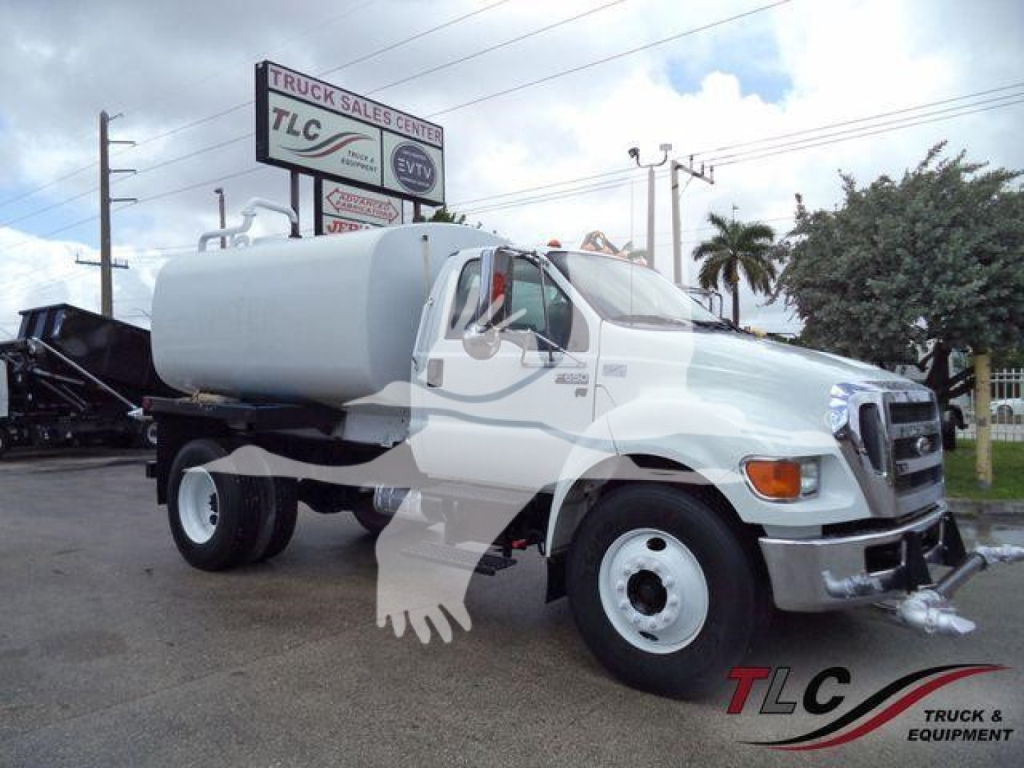
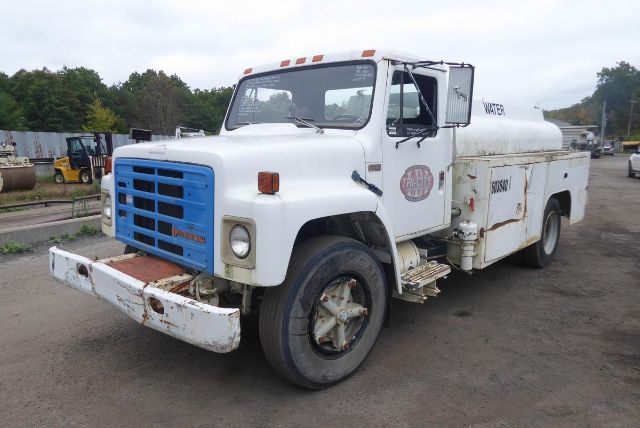
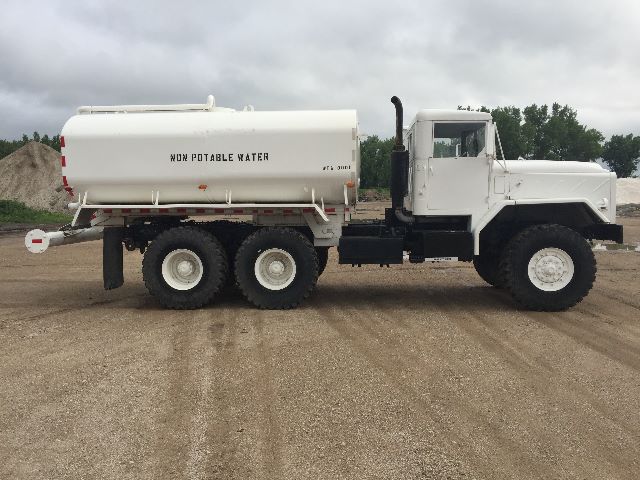
Have mack water truck to sell? List it here to reach thousands of buyers.
Mack Water Trucks in Texas
A typical Mack water truck in this class may carry around 2,000 gallons, though actual capacity depends on body builder spec, wheelbase, axle placement, and legal weight distribution. Buyers should match the tank to the truck's GVWR, front and rear axle ratings, and frame strength instead of shopping by gallon count alone. Internal tank baffles are important because they reduce surge and improve stability during starts, stops, and uneven terrain. Steel tanks remain common for rugged service, while pump systems, spray heads, gravity dump functions, hose reels, and rear spray bars can vary widely depending on whether the truck is set up for dust control, washdown, or water transfer.
On the chassis side, Mack water trucks in the medium-duty segment are often powered by engines like the Cummins 6.7L paired with an Allison automatic transmission, a combination that works well for stop-and-go municipal routes and construction site operation. Buyers should pay close attention to PTO compatibility, pump drive arrangement, brake type, suspension spec, axle ratio, and wheelbase because those details affect low-speed control, maintenance cost, and upfit performance. A higher rear ratio can help when the truck spends its day loaded and moving through soft ground or low-speed work zones, while cab comfort and visibility matter more than some buyers expect on trucks that make repeated short runs all day.
Texas buyers also need to think about heat, dust, and mixed on-road/off-road use. A water truck that looks right on paper still needs the correct spray package, corrosion protection, and service access for pumps, valves, and plumbing. For many fleets, the best Mack water truck is not the one with the biggest tank, but the one with the right balance of legal payload, turning radius, pump output, and durability for the application. If the truck will handle construction dust abatement, check spray coverage and pump capacity. If it will support municipal or utility work, focus on dependable PTO operation, easy valve access, and a chassis spec that can handle daily starts, stops, and idling without excess downtime.
Frequently Asked Questions about Mack Water Trucks in Texas
What are Mack water trucks used for?
Mack water trucks are commonly used for dust control on construction sites, road building, quarry work, and oilfield locations, but they are also used for street washing, landscape watering, and jobsite water delivery. The exact application depends on the tank size, pump setup, and spray equipment. A truck equipped with spray bars, nozzles, and a hose reel can handle more than basic transport and is often better suited for active dust suppression or washdown work.
What should I look for when buying a Mack water truck?
Start with tank capacity, GVWR, axle ratings, and wheelbase because those determine how much usable water the truck can carry legally and safely. After that, review the pump type, PTO setup, baffle design, valve layout, and spray equipment. Buyers should also inspect frame condition, plumbing access, suspension spec, brake type, and rear axle ratio since water trucks spend much of their life fully loaded and operating at low speed in demanding conditions.
Are Mack MD6 and MD7 chassis good for water truck applications?
Yes, Mack MD6 and MD7 chassis are a good fit for many medium-duty water truck applications, especially where maneuverability, municipal routing, and moderate tank capacities are important. These chassis are commonly used for single-axle water trucks and can support construction, utility, and agricultural work when properly upfitted. The right choice depends on final tank size, body weight, and the duty cycle the truck will see each day.
How important are tank baffles on a water truck?
Tank baffles are critical because they control water surge inside the tank during braking, turning, and acceleration. Without proper baffling, a loaded water truck can feel unstable and place added stress on the chassis and driver. Good baffle design improves safety, handling, and driver confidence, especially on rough jobsites or in stop-and-go traffic.
What size water tank is best for a medium-duty Mack water truck?
For many medium-duty Mack water trucks, a 2,000-gallon class tank is a common starting point because it balances water capacity with chassis limitations and maneuverability. The best size depends on the truck's GVWR, axle weights, wheelbase, and how the truck will be used. Larger is not always better if the added water volume compromises legal weight distribution, turning radius, or site access.