
Trucks For Sale Near Washington, Georgia
Have truck to sell? List it here to reach thousands of buyers.
Trucks Near Washington, Georgia
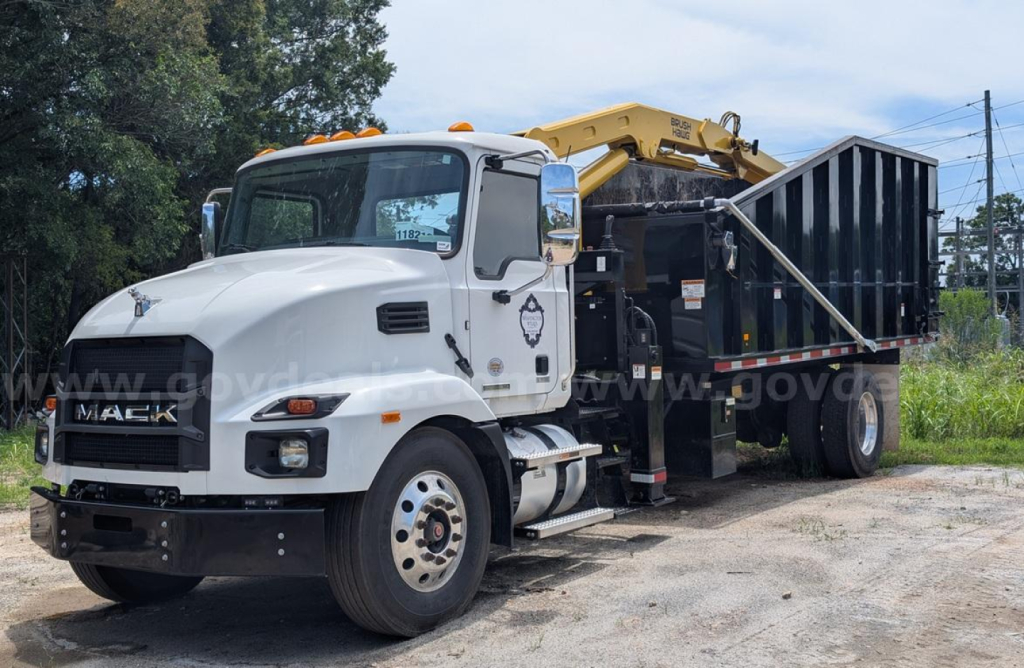
A buyer comparing trucks should pay close attention to GVWR, axle configuration, suspension, wheelbase, and engine-transmission pairing. A tandem-axle vocational truck like a Mack Granite is commonly used in dump, construction, and municipal fleets because it is built for higher payloads, jobsite durability, and PTO-driven equipment. In this segment, common spec points include diesel engines in higher horsepower bands, automatic or automated manual transmissions, locking differentials, heavy front axles, and double-frame or reinforced chassis rails. For local and off-road use, turning radius, ground clearance, and suspension type matter just as much as raw horsepower.
Condition and maintenance history are equally important, especially on used trucks. Hours, mileage, service intervals, brake and tire condition, hydraulic system performance, and signs of frame or body corrosion all affect long-term cost. Buyers in Georgia often look closely at cooling system health, AC performance, and vocational wear tied to heat, dust, and stop-and-go operation. If the truck will carry a dump body or other vocational equipment, inspect the hoist, PTO engagement, controls, bed floor, tailgate hardware, and any evidence of hard loading cycles.
Washington, Georgia buyers often shop trucks based on a specific job requirement rather than brand alone. A construction contractor may prioritize payload and rugged suspension, while a farm, utility, or public works buyer may focus on reliability, simple service access, and compatibility with existing fleet maintenance practices. Comparing cab layout, visibility, brake type, emissions system design, and available upfit options will help narrow the field faster and lead to a truck that fits the work instead of forcing the work to fit the truck.
Frequently Asked Questions about Trucks Near Washington, Georgia
What should I look for first when comparing trucks for sale?
Start with the truck’s intended application, then match that use to GVWR, axle setup, wheelbase, and body configuration. A dump truck, chassis cab, box truck, and road tractor can all be classified as trucks, but they serve very different jobs. The engine, transmission, suspension, PTO capability, and frame design should support the load, terrain, and duty cycle the truck will see every week.
Why does axle configuration matter on a commercial truck?
Axle configuration directly affects payload capacity, traction, maneuverability, and operating cost. A single-axle truck may be easier to maneuver and less expensive to maintain, while a tandem-axle truck is typically better suited for heavier loads and more demanding vocational work. Buyers should also verify axle ratings, differential specs, suspension type, and bridge law considerations if the truck will operate on public roads with heavier payloads.
Are vocational trucks different from highway trucks?
Yes. Vocational trucks are built for jobsite, municipal, construction, refuse, and utility work, where durability and equipment integration are critical. They often have heavier frames, PTO provisions, severe-duty suspensions, higher-capacity front axles, and body-builder-friendly layouts. Highway trucks are generally optimized for fuel economy, long-distance comfort, and over-the-road hauling rather than repeated loading cycles or off-pavement use.
What are the key inspection points on a used dump or work truck?
Inspect the engine and transmission operation, check for fluid leaks, review maintenance records, and look closely at brakes, tires, suspension components, and steering wear. On dump and other PTO-driven trucks, test the PTO engagement, hoist function, hydraulic lines, cylinder seals, and body structure. The frame rails, crossmembers, tailgate, floor, and hinge points should be checked for cracks, rust, repairs, and signs of overload damage.
How important is the truck’s engine and transmission pairing?
It is one of the most important factors in how the truck performs under load. The right pairing affects startability, gradeability, fuel consumption, PTO usability, and driver comfort. A vocational truck that spends its time in stop-and-go service or on uneven ground may benefit from different gearing and transmission calibration than a truck used for steady highway miles, so buyers should evaluate the drivetrain as a system rather than as individual components.