
Trucks For Sale Near Warren, Pennsylvania
Browse trucks for sale in Warren, PA. Compare pickup, box, bucket, dump, service, and chassis options for hauling, worksite, and fleet use.
Learn more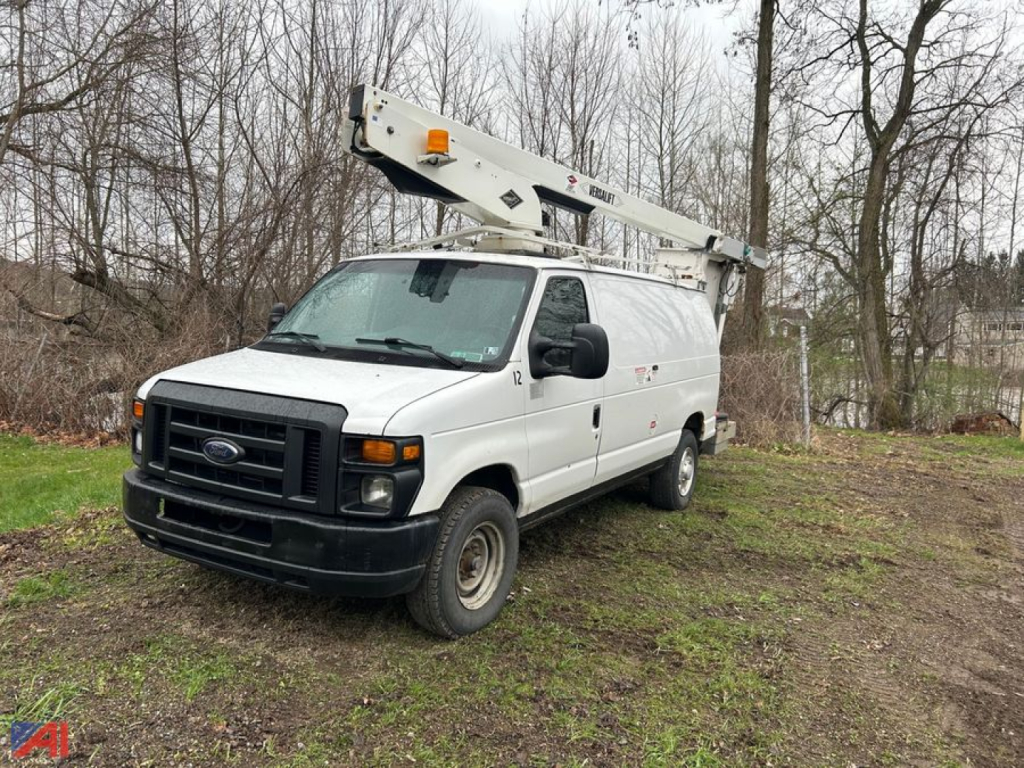
Have truck to sell? List it here to reach thousands of buyers.
About Trucks Near Warren, Pennsylvania
In western Pennsylvania, terrain, weather, and road conditions matter. Steeper grades, winter salt exposure, and mixed paved and unpaved routes make frame condition, brake life, suspension wear, and tire spec more important than appearance. Gas engines are common in lighter-duty trucks used for short-route service, while diesel power is often preferred in medium-duty applications where torque, towing, and higher annual miles justify the added complexity. Transmission type, rear axle ratio, 4x2 versus 4x4, and service history all affect how well a truck will fit regional work. On vocational units, buyers should also inspect PTO operation, hydraulic system condition, boom certifications where applicable, and body integrity around crossmembers, floors, hinges, and mounting points.
For work trucks, the body can matter as much as the chassis. A bucket truck or bucket van should be evaluated for platform height, stowed travel height, insulation rating if utility work is involved, and the condition of the boom, outriggers, and controls. Box trucks are often compared by cargo length, door configuration, liftgate capacity, and interior wall or floor wear. Dump trucks are typically judged on hoist condition, body material, side height, tarp setup, and how well the wheelbase matches the intended payload. Service trucks and utility bodies should be checked for compartment layout, inverter or compressor integration, and signs of corrosion in high-use storage areas. On any used truck, mileage tells only part of the story. Engine hours, idle time, previous fleet maintenance, and evidence of vocational use often tell more about remaining service life.
A strong truck listing is one that gives enough detail to judge fit before making calls. Buyers generally want to compare engine family, horsepower, transmission, GVWR, axle ratings, wheelbase, body manufacturer, tire size, brake type, and any added equipment such as liftgates, cranes, ladder racks, towing packages, or aerial devices. In a market like Warren, trucks often serve double duty across seasons, so versatility has real value. A truck that is correctly rated, properly equipped, and easy to service locally will usually outperform a cheaper unit that is underspecified for the work.
Frequently Asked Questions
What should I look for first when comparing trucks for sale?
Start with the truck’s intended job. The most important filters are GVWR, payload or towing requirement, body style, wheelbase, drivetrain, and whether the truck requires a CDL in your operation. After that, compare engine type, transmission, axle ratio, and any vocational equipment such as a dump body, utility body, liftgate, or aerial device. A truck that matches the work on paper is usually a better buy than one with attractive cosmetics but the wrong ratings or configuration.
Is mileage enough to judge a used work truck?
No. Mileage is useful, but it does not tell the full story on a commercial truck. Engine hours, idle time, maintenance records, PTO use, previous application, and exposure to corrosion often matter just as much. A lower-mileage truck that spent years idling or carrying heavy loads may show more wear than a higher-mileage truck with consistent maintenance and lighter duty cycles.
How important is rust when buying a truck in Pennsylvania?
Rust is a major buying factor in Pennsylvania because winter road treatment can affect frames, brake lines, wiring, body mounts, floors, and suspension components. Surface corrosion is common, but buyers should pay attention to scaling on the frame, rot around cab corners and rocker panels, corrosion at body mounting points, and deterioration near hydraulic or electrical components. On vocational trucks, rust can also shorten the life of utility compartments, dump bodies, and crossmembers.
What is the difference between buying a chassis and buying an upfitted work truck?
A chassis gives a buyer more flexibility to build the truck around a specific application, but it usually requires additional time and capital for body installation and equipment integration. An upfitted work truck can go directly into service if the body, storage layout, PTO setup, or aerial equipment already matches the job. The tradeoff is that a prebuilt unit may include equipment you do not need or a layout that is harder to modify economically.
Are gas or diesel engines better for used commercial trucks?
It depends on duty cycle and operating cost. Gas trucks are often a practical choice for lighter-duty, shorter-route, and lower annual-mile applications because they typically have lower upfront cost and simpler emissions systems. Diesel trucks are usually favored for heavier payloads, towing, and medium-duty service where low-end torque and fuel efficiency under load matter more. The better engine choice is the one that fits the truck’s actual workload, service network, and maintenance budget.