Used Volvo Trucks For Sale in Mississippi
Used Volvo trucks in Mississippi, VNL to VHD, with D13 I-Shift efficiency, low tare weight, corrosion resistance, built for Gulf Coast conditions.
Learn moreTop Categories
7 Listings
Have used volvo truck to sell? List it here to reach thousands of buyers.

About Used Volvo Trucks in Mississippi
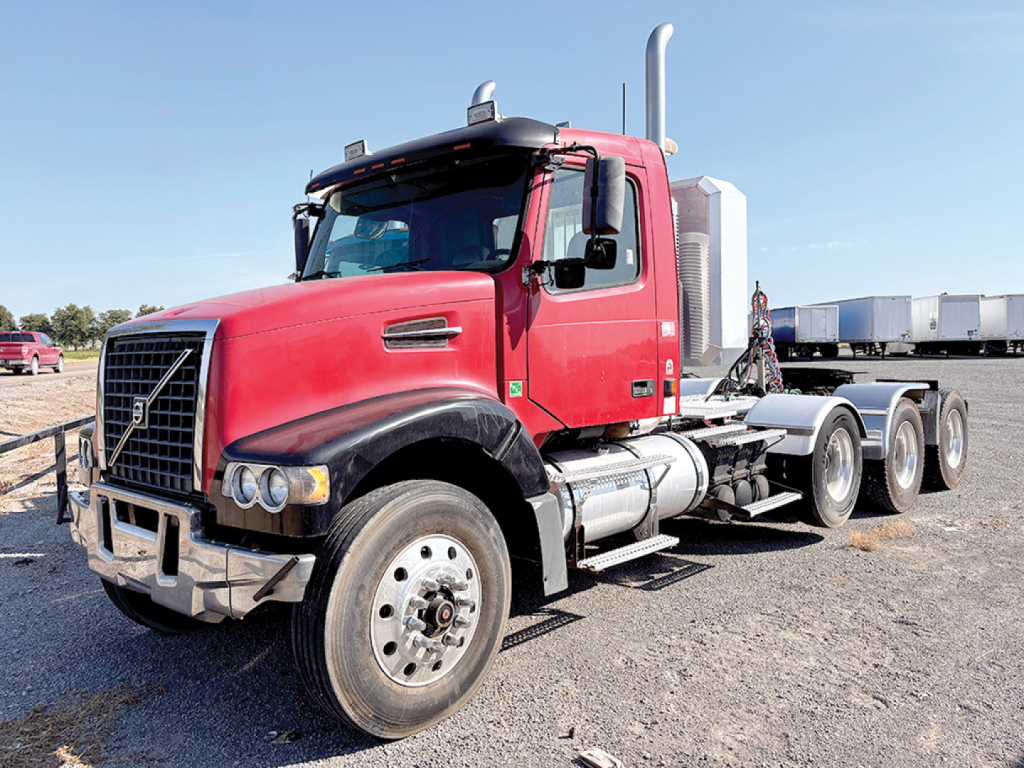
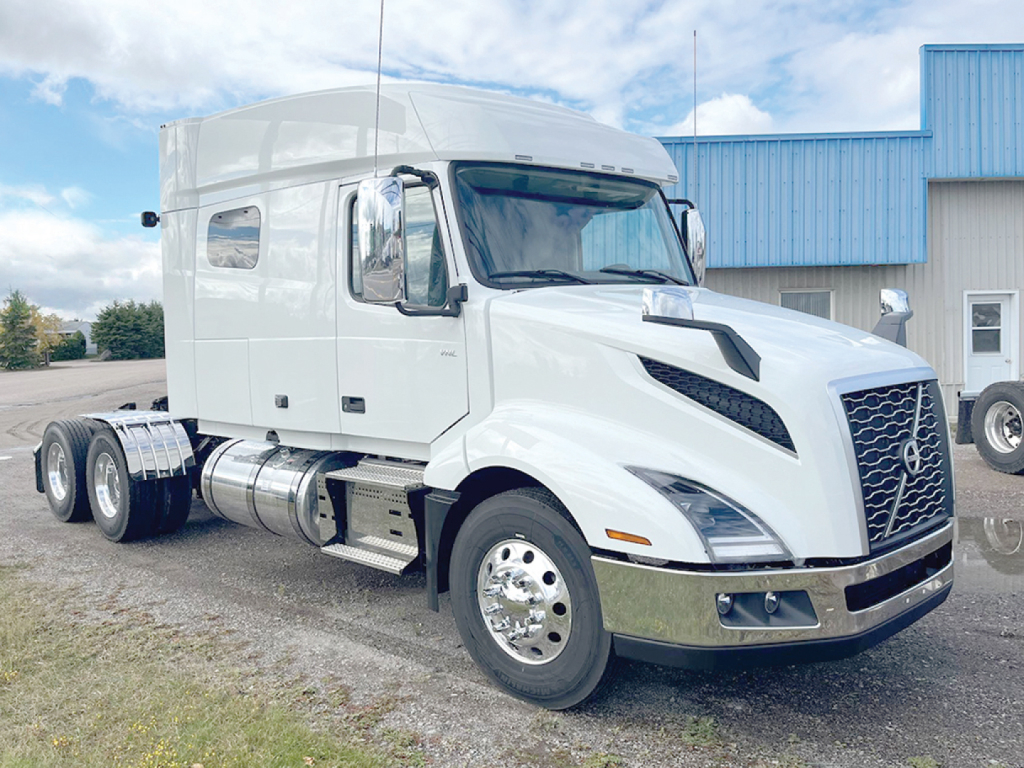
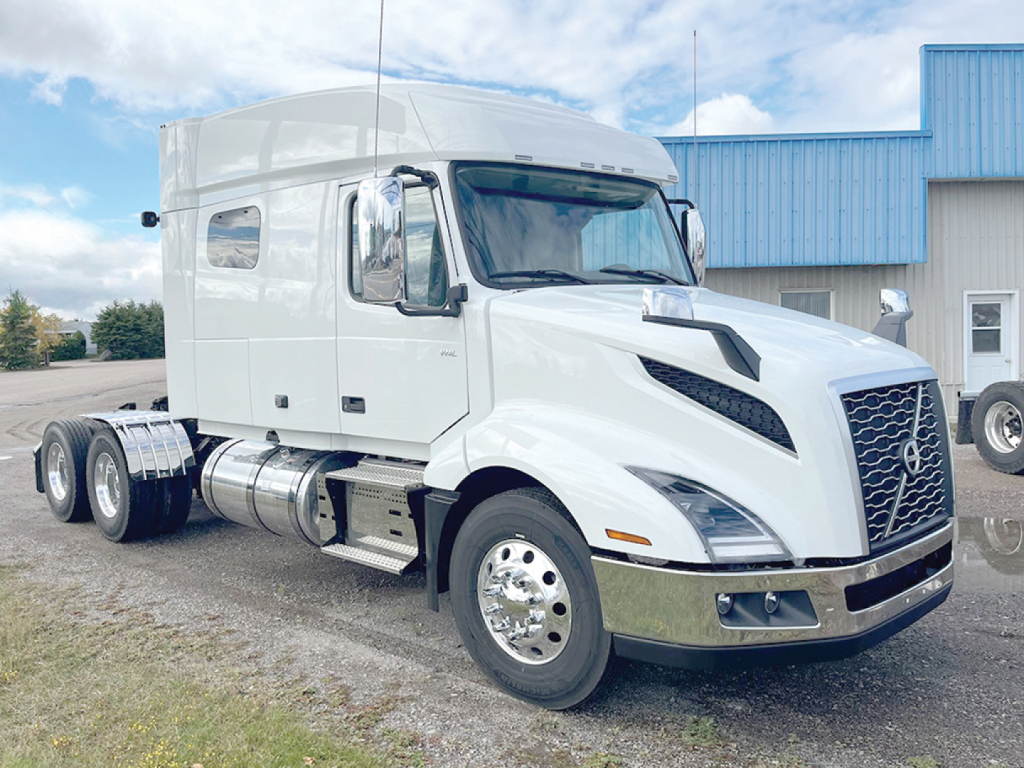
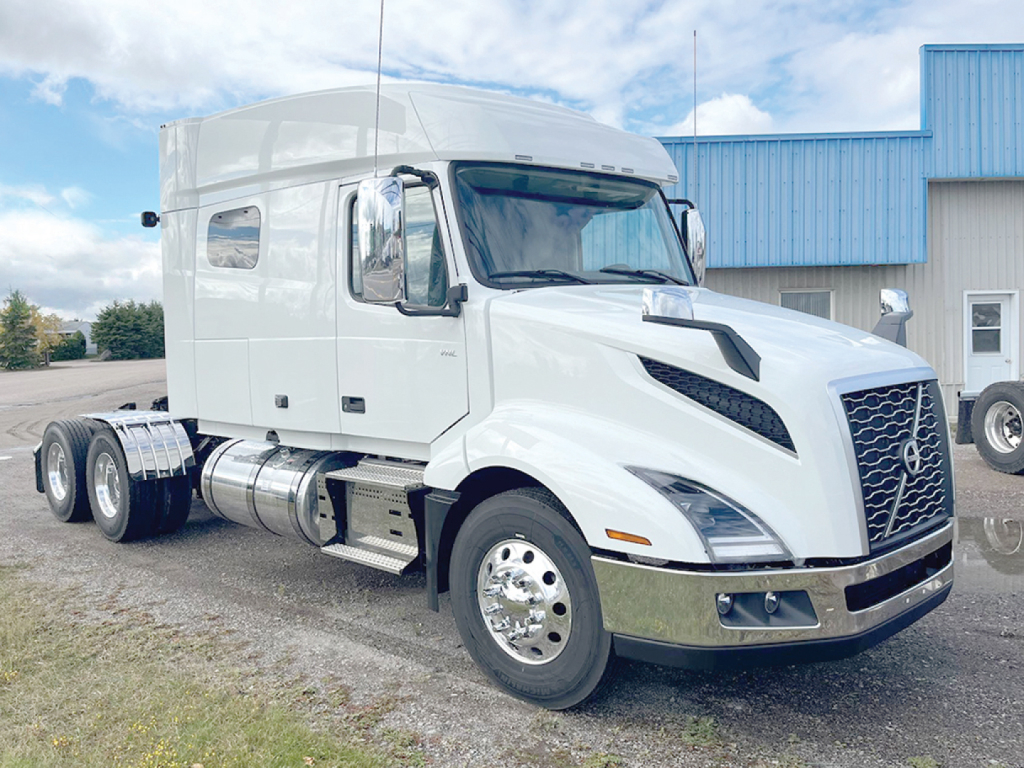
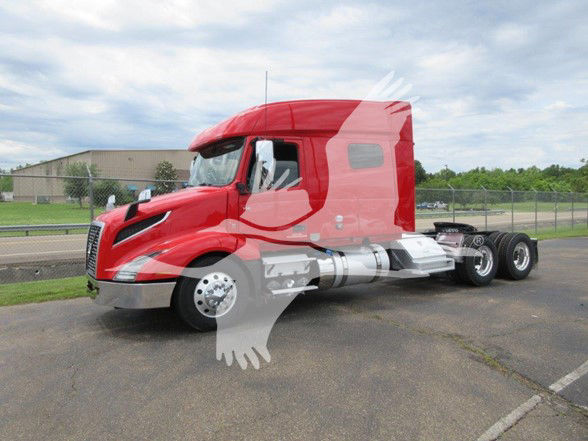
Used Volvo trucks for sale in Mississippi are known for fuel efficiency, ride quality, and advanced safety. The VNL covers long haul with aerodynamic packages and sleeper options, the VNR handles regional work with tight turning and gearing for stop and go, and the VHD is set up for construction and forestry. Expect collision mitigation, adaptive cruise, and stability control on many units, which reduces driver fatigue and helps protect uptime. Aerodynamic fairings, roof heights matched to trailer profiles, and wheel covers help trim drag and operating cost on I‑55, I‑20, and Gulfport routes.
Spec selection matters. The D13 with I‑Shift is the common pairing, with direct drive for steady 65 to 70 mph cruise and tall rears, or overdrive with slightly faster axle ratios for mixed terrain. Many late D13TC engines add turbo compounding for extra efficiency. Rear axle ratios from about 2.16 to 3.08 align with duty cycles, and disc brakes shorten stops and cut maintenance. A 6x2 saves hundreds of pounds and fuel compared to a 6x4, traction is the trade‑off on unpaved sites. Tare weight can be trimmed with aluminum wheels, single 120 gallon tanks, and wide base tires, payload and tire wear must be balanced. Verify fifth wheel height for trailer compatibility and check for tire pressure monitoring.
Mississippi heat, humidity, and coastal salt call for careful inspection of corrosion points. Volvo aluminum cabs and e‑coated rails resist rust, still check crossmembers, suspension hangers, fifth wheel plates, battery boxes, and cab mounts for scaling. Look for intact harness seals and clean grounds to avoid electrical faults. Cab and sleeper structures seal well, which improves HVAC performance and lowers idle time. For sleepers, battery HVAC or a diesel APU reduces engine hours and DEF use, saving fuel in summer heat. Remote Diagnostics and over‑the‑air updates on newer platforms help catch sensor and aftertreatment issues early, DEF dosing and DPF history should be reviewed on any used emissions system.
If the truck carries a van or reefer body, floor strength and thermal integrity drive resale value and daily performance. Forklift duty floors are typically rated in pounds per square foot, hardwood plank or composite floors with aluminum thresholds handle dock work, scuff liners and logistic posts protect sidewalls. Reefers with high density foam, insulated doors, aluminum duct floors, and sealed wiring maintain setpoint in Mississippi heat, thin or damaged insulation raises fuel burn and cycle time. On daycabs and sleepers, good insulation and door seals reduce HVAC load and cab noise, which lowers driver fatigue. Across highway, regional, and vocational roles, a clean frame, sound aftertreatment, the right gear ratio for route speed, and a light but durable spec will return the best cost per mile in Mississippi operations.
Spec selection matters. The D13 with I‑Shift is the common pairing, with direct drive for steady 65 to 70 mph cruise and tall rears, or overdrive with slightly faster axle ratios for mixed terrain. Many late D13TC engines add turbo compounding for extra efficiency. Rear axle ratios from about 2.16 to 3.08 align with duty cycles, and disc brakes shorten stops and cut maintenance. A 6x2 saves hundreds of pounds and fuel compared to a 6x4, traction is the trade‑off on unpaved sites. Tare weight can be trimmed with aluminum wheels, single 120 gallon tanks, and wide base tires, payload and tire wear must be balanced. Verify fifth wheel height for trailer compatibility and check for tire pressure monitoring.
Mississippi heat, humidity, and coastal salt call for careful inspection of corrosion points. Volvo aluminum cabs and e‑coated rails resist rust, still check crossmembers, suspension hangers, fifth wheel plates, battery boxes, and cab mounts for scaling. Look for intact harness seals and clean grounds to avoid electrical faults. Cab and sleeper structures seal well, which improves HVAC performance and lowers idle time. For sleepers, battery HVAC or a diesel APU reduces engine hours and DEF use, saving fuel in summer heat. Remote Diagnostics and over‑the‑air updates on newer platforms help catch sensor and aftertreatment issues early, DEF dosing and DPF history should be reviewed on any used emissions system.
If the truck carries a van or reefer body, floor strength and thermal integrity drive resale value and daily performance. Forklift duty floors are typically rated in pounds per square foot, hardwood plank or composite floors with aluminum thresholds handle dock work, scuff liners and logistic posts protect sidewalls. Reefers with high density foam, insulated doors, aluminum duct floors, and sealed wiring maintain setpoint in Mississippi heat, thin or damaged insulation raises fuel burn and cycle time. On daycabs and sleepers, good insulation and door seals reduce HVAC load and cab noise, which lowers driver fatigue. Across highway, regional, and vocational roles, a clean frame, sound aftertreatment, the right gear ratio for route speed, and a light but durable spec will return the best cost per mile in Mississippi operations.