
Used 2016 Volvo Trucks For Sale
Shop used 2016 Volvo trucks with details on D11 and D13 engines, I-Shift transmissions, axle ratings, sleeper and daycab applications.
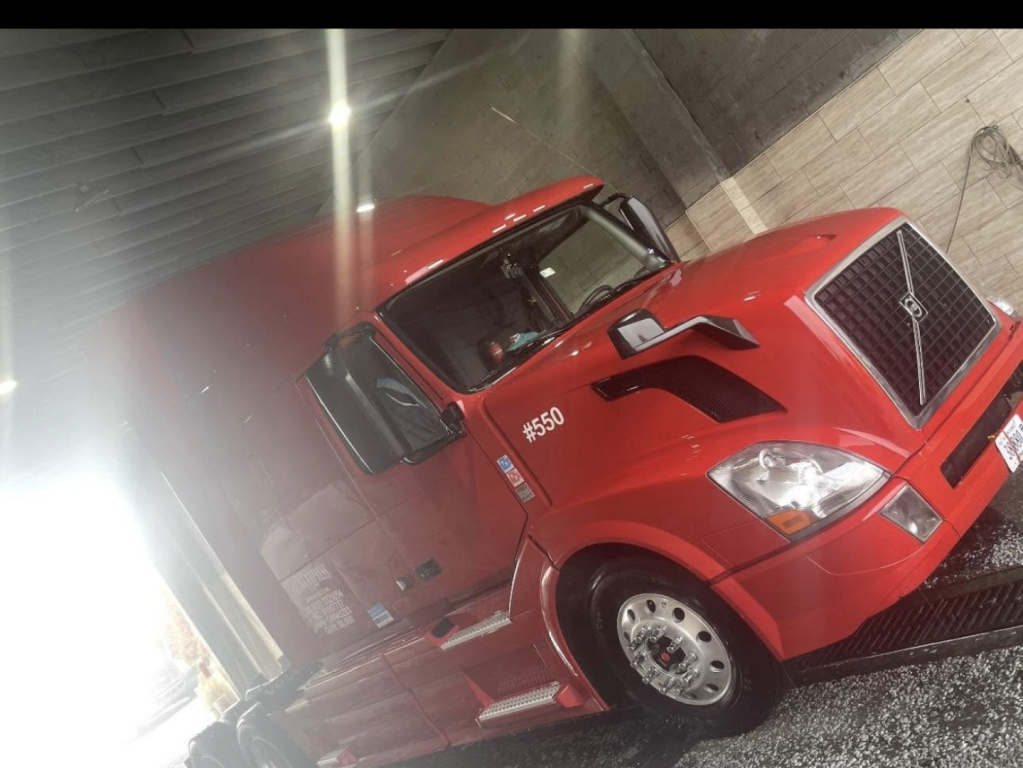
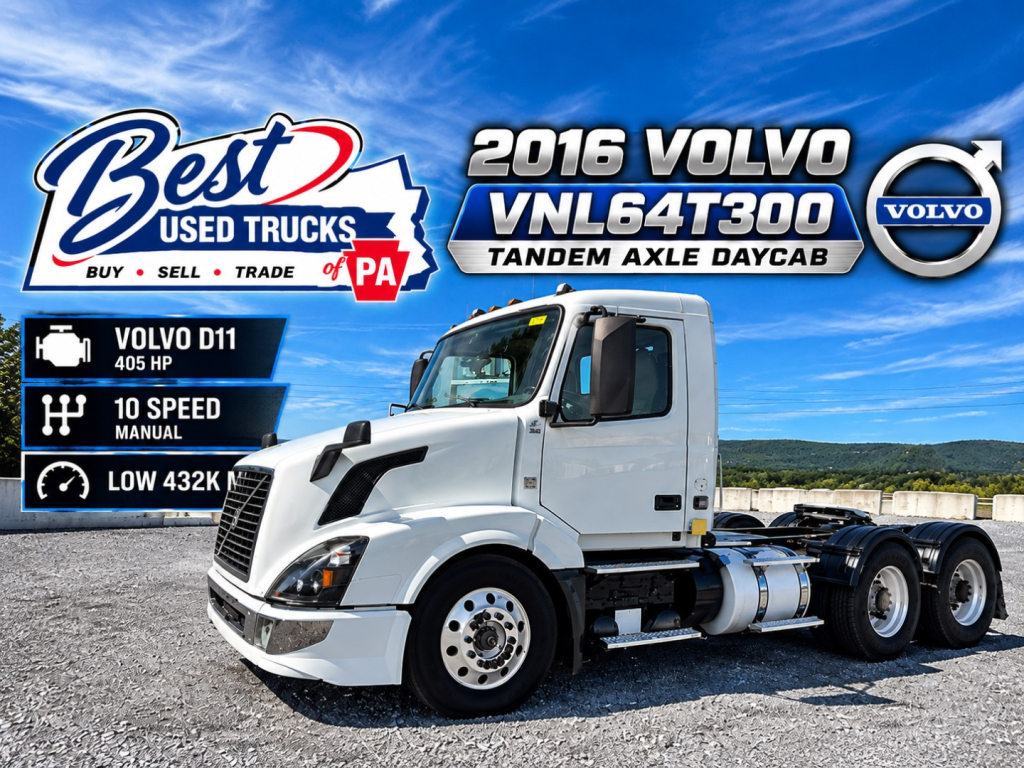
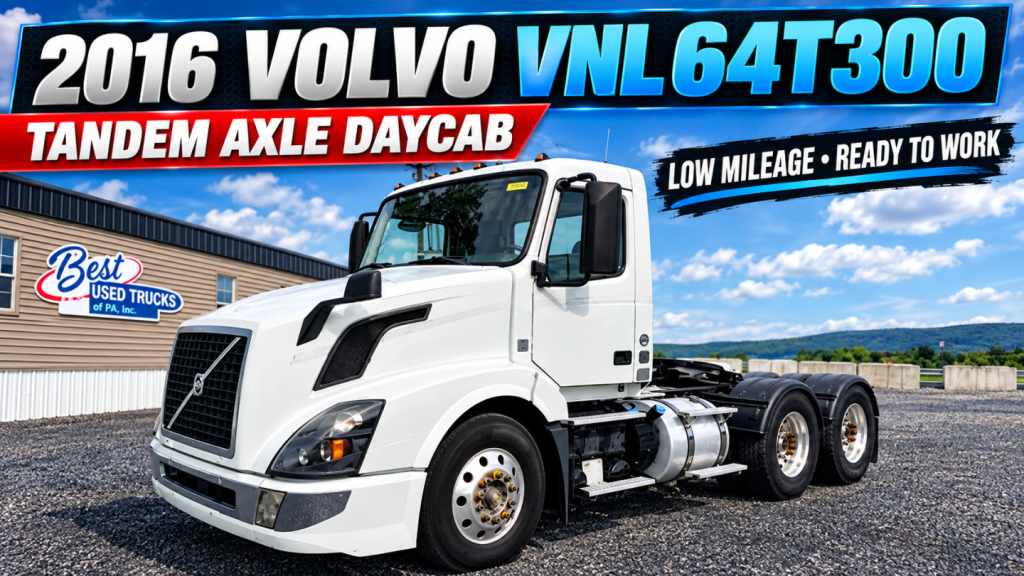
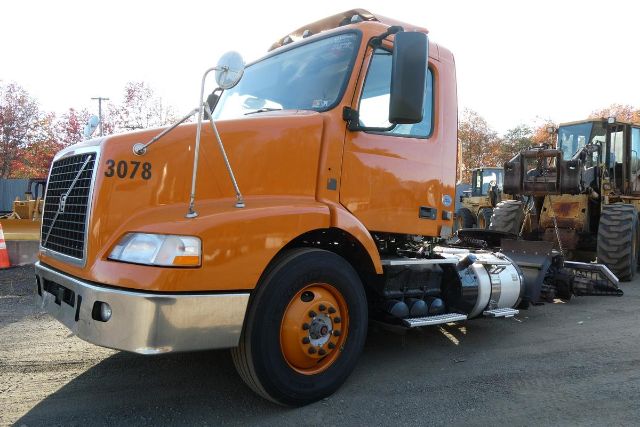

Looking for the easiest place to sell your used 2016 volvo truck? List it here to reach thousands of buyers.
Used 2016 Volvo Trucks
The most common powerplants in 2016 Volvo trucks are the Volvo D11 and D13. The D11 is often preferred for regional hauling and lighter payload demands where lower weight and fuel efficiency matter. The D13 is the more common choice for linehaul, heavier freight, and higher average gross weights, with horsepower typically landing in the 375 to 455 range depending on spec. Many 2016 units are paired with the Volvo I-Shift automated manual, a major selling point for fleets focused on driver retention and reduced clutch wear, though some trucks may still carry manual transmissions. Rear axle ratios, often in the mid-2s to low-3s, tell you a lot about the truck’s intended use. A taller ratio favors fuel mileage at highway speed, while a deeper ratio is better suited to heavier starts, vocational work, or mixed terrain.
Spec details matter more than the badge on the hood. Day cabs are common for local and regional freight, port drayage, dedicated lanes, and private fleet work. Sleeper versions, especially in the VNL family, are set up for over-the-road applications where bunk size, fuel capacity, fairings, and wheelbase directly affect operating range and driver comfort. On any used 2016 Volvo, pay attention to axle ratings, suspension type, fifth wheel setup, and brake configuration. Air ride suspensions are common and help with ride quality and cargo protection. Disc brakes appear on some highway specs and can be a plus for stopping performance and serviceability. If the truck has a tag axle, pusher, or vocational body, confirm bridge compliance, frame condition, PTO provisions, and body compatibility for the work you plan to do.
Condition and service history are especially important on a 2016 model because age-related maintenance starts to separate well-kept trucks from expensive projects. Buyers should look closely at DPF and SCR service records, injector history, coolant type and maintenance intervals, transmission calibration history, and signs of oil or coolant leaks around the engine and aftertreatment components. Volvo trucks from this era are generally well regarded for cab ergonomics, visibility, and highway manners, but the right truck still comes down to matching the spec to the route. A regional 4x2 day cab, a tandem axle VNL sleeper, and a vocational roll-off all fall under the Volvo name, yet they serve very different jobs. The best used 2016 Volvo truck is the one with the right engine rating, axle package, and maintenance background for your freight and operating region.
Frequently Asked Questions about Used 2016 Volvo Trucks
What engines are most common in used 2016 Volvo trucks?
The Volvo D11 and D13 are the engines most buyers will see in used 2016 Volvo trucks. The D11 is typically chosen for regional applications where lower curb weight and fuel efficiency are priorities. The D13 is more common in long-haul and heavier gross weight applications because it offers broader horsepower and torque ratings. When comparing trucks, engine model matters less than the full spec package, including horsepower, rear axle ratio, transmission, and maintenance history.
Is the Volvo I-Shift a good transmission choice in a 2016 Volvo truck?
The Volvo I-Shift is a strong choice for many buyers because it improves ease of operation, helps reduce driver fatigue, and can support better fuel economy when matched to the right rear axle ratio. It is especially common in highway day cabs and sleepers from this period. The key on a used truck is to verify software updates, clutch and actuator condition, calibration history, and overall driveline maintenance. A well-maintained I-Shift can be a major advantage in fleet and owner-operator service.
What should I inspect first on a used 2016 Volvo truck?
Start with the emissions system, engine service records, and drivetrain spec. On a 2016 truck, the DPF, DEF, SCR, sensors, and related wiring should be inspected carefully because deferred emissions maintenance can create expensive downtime. After that, check for oil and coolant leaks, review transmission behavior on a road test, inspect suspension wear, and confirm axle ratings and wheelbase match your intended application. Tire wear, brake condition, and frame integrity also reveal a lot about how the truck was used and maintained.
Are 2016 Volvo trucks better for regional or long-haul work?
They can be excellent for either, depending on the model and spec. A 2016 Volvo VNL sleeper with a D13, tandem axles, and taller highway gearing is a natural fit for over-the-road service. A VNL or VNM day cab with a shorter wheelbase, single axle or lighter tandem setup, and lower horsepower can be a better match for regional freight, dedicated routes, or urban work. The application is determined by the truck’s full configuration, not just the model year or make.
How important are axle ratio and wheelbase on a used 2016 Volvo truck?
Axle ratio and wheelbase are two of the most important spec decisions because they directly affect fuel economy, maneuverability, bridge compliance, and how the truck handles a load. A taller rear ratio generally supports lower RPM at highway speed, which can improve fuel mileage in linehaul service. A shorter wheelbase is easier to maneuver in city and dock environments, while a longer wheelbase may support larger sleepers, more fuel capacity, or specific body installations. These details should match the route structure and freight type before price becomes the deciding factor.